iThink Logistics | Blogs

Categories
E-commerce Logistics

How Automation is shaping the future of logistics?

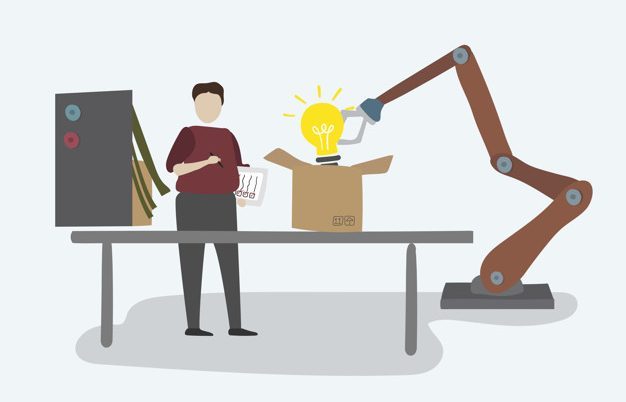
Automation is the process of using various control systems to run or operate various organization with minimum human assistance. With the advancement of technology, every business sector is switching to automation to ease their business workflow.

A detailed discussion

Starting from the minor business to major industries, automation is reducing manual errors and helping to succeed in their respective field. One of the great impacts that automation had, is on the sector of logistics. Find out how automation is helping to shape the future of logistics in the detailed discussion below.

It is reducing the expensive errors

Automation in logistics provides extreme convenience when it comes to cutting down overall business cost. Errors in supply chain management are pretty common that often leads to a significant loss in the e-commerce business.

Shipping delay, wrong delivery, damaged products are a few examples of it. The integration of automation has drastically reduced these errors and helped this e-commerce business to hold a place in people’s heart.

A new AI driven technology that is coming up in the market is using a virtual calling software. Through this method, every product specification gets verified with the customers, before it is out for delivery.

Certain logistics are also looking forward to some offshore solutions to reduce errors in this particular business.

It is giving a detailed idea of the real-time rates

Automation has proved to be a blessing for shippers as it helps in providing clear shipping rates from different logistics industry. The process also tells about the mode of transportation.

It allows the retailers to decide over logistics on a much more easier way. This technique helps in reducing business cost and also gives an idea of the monthly expense.

Helps in the betterment of customer service

Through automation now every piece of information gets recorded in a computer, that you can access any time you want. In this way, there are reduced confusion on overall logistics management. There are also fewer worries for manual errors as well.

In an e-commerce business, losing a customer is be really pathetic for both the retailers and the shipping companies. Automation not only simplifies the office tasks but also provides assistance in front line services.

Since the customer is getting a clear expense estimate along with good service, they are becoming satisfied and gaining back their trust in e-commerce and logistics.

It helps you get better access to reports

Automation also helps in getting better access to reports and helps to keep an easy record of all the company’s data. Not only that it also allows to get the facts and numbers right during an audit or calculation. They also allow these logistics to get an idea about their growth graph and performance. This helps them to work upon the improvements accordingly.

It helps in improving scalability

Automation has created a lot of powerful tools to ease out the work of the logistics and transport industry. Not only has it allowed different businesses to expand but has also reduced hassle in their day to day work.

Even though some companies are still hanging on to old school work techniques, there are some companies who are mixing their current process with the new one, thus making it a semi-automated method.

Automation has a lot of benefits to offer when it is in the right way. They are scalable and reduces human labor. Logistics is one of the largest growing sectors and there is a lot to grow with proper automation implementation.

It Helps in Proper Logistics Integration

Automation along with helping the back-end work procedures also caters to order fulfillment and shipment procedure as well. They are here to make the whole logistics sector more efficient and to reduce the overall company cost. By automating the supply chain, the logistics head can focus on enhancing the work process rather than getting stuck in one particular side.

You can look after tools like warehouse management systems and robotics that will help in increasing productivity and create a better platform.

It helps in meeting distribution goals

By integrating various AI-driven technology and cloud-based tools, these logistics are being able to meet their distribution goals in a much faster way. Not only that, but they are also being able to widen their reach and deliver happiness in every corner of the world.

Categories
E-commerce Logistics

Types of Logistics & Its Difference

Known as a massive chain network, logistics is a detailed organization responsible for carrying out various delivery and shipment related operations. Whenever you buy a product from an online store these logistics are the ones, that takes care of your shipment and makes sure you get the right product in your hand. The rise of e-commerce has made a significant contribution in a world economy and so did these logistics. Without logistics, a concept of e-commerce could have never been possible to be implemented. This blog explains different types of logistics available like 1PL 2PL 3PL 4PL 5PL and how they are unique in their own way.

1PL: 1st Party Logistics

The 1st party logistics to referred to a firm or individual, that has their own cargo, freight and can transport goods and merchandise from one point to another point. They are the specifically the consigner of different goods and products and organizes the transport of products to their respective destinations. It mainly consists of two parties that get benefit from the transaction. The manufacturer or the supplier and the person buying it. There are no other middlemen involved in the whole process.

2PL: Second Party Logistics 

A 2nd party logistics involves transport of goods from a particular transport area of the supply chain like rail, road, sea or air. They are the asset-based carriers and includes like transport using ships of own lease and airlines that they are contracted with. They are mainly used for international transportation of heavy and wholesale goods and for trading purpose as well.

3PL: 3rd Party Logistics

A 3rd party logistics is a supply chain that primarily concerns the transportation and delivery of different products but also includes various types of additional services as well. The functions of 3PL include warehousing, terminal operations, customs brokerage, supply chain management and many more. It also includes logistics IT software products and analysis services, for tracking and tracing the delivery status of different products. These 3rd party logistics delivers all the above-mentioned services and also manages various obstacles that come in the way. They specialize in domestic and offshore warehousing and also takes care of your other supply chain management systems.

4PL: 4th Party Logistics

Among the 1PL 2PL 3Pl 4PL and 5PL, the 4th party logistics is a new concept which is coming into the market, and it involves employing an overseer for managing an entire supply chain of a company. These logistics are often called Lead Logistics provider and they are often treated as a consulting company for many supply chains. They act as a head administrator and takes care of every aspect of these supply chain companies.

They are frequently contracted with many 3rd party logistics and for maintaining neutral management and for providing feedback regarding various 3pl logistics services. With increased efficiency 4pl is becoming the next big thing in the logistics sector. They provide a single invoice solution and streamlines logistic work like no other.

5PL: 5th Party Logistics

A fifth party logistics provider is also known as a logistics aggregator. They will aggregate the demands of the 3PL and others into bulk volume for getting better rates with different types of airlines and shipping companies. This type of logistics is not asset based. It usually works seamlessly across all disciplines.

Advantages of 3rd Party Logistics

Out of 1PL 2PL 3PL 4PL 5PL, the 3rd Party Logistics is the most convenient and well known logistic service in India. They provide more than just shipping and delivery, and some of the major points are listed down below.

It is Cost Effective

3pl has been ruling the logistics sector for quite a time now, and it has been seen that people who make contracts with third-party firms always saves money on an overall basis. Not only that, but these logistics also meet the technical requirements of the clients. Their expertise is extremely superior that deals with delivery and product shipment on a much affordable cost and totally maintain the time boundary. These logistics not only reduce product return requests but also helps in reducing inventory costs as well.

There is an extremely low capital commitment

These logistics doesn’t make you trade a fortune while you come on the deal with them. If a company wants to outsource their logistics to a third party firm, then they don’t need to worry about maintaining and managing an inventory. This not only saves money but also reduces capital commitment. These 3pls have their own management and transport systems which reduces the overall maintenance cost. Not only these logistics take care of warehousing, transportation, but also takes care of other operations more efficiently and with more knowledge than the client himself. All these services come under an extremely viable price and allow you to sit and relax while they take care of everything for you.

You can focus on other important work

Giving your logistics responsibility to a 3rd party reduces a great amount of a headache. There is no hassle and chaos of taking care of every step necessary for delivering a product. You focus on other important works while this 3rd party does everything for you.

iThink Logistics: The best 3rd Party Logistics in Town

The iThink Logistics is a 3rd party logistics in India which came into function back in 2017. The unique concept of this logistics made it the best and the most efficient logistic firm in India. They not only take care of the products also makes sure that everything gets managed the right way. Using the AI-driven technology, the company has its own virtual calling software that confirms on the product descriptions before shipment. Other than this, they also have an NDR team which takes care of the non-delivery of the product. In case of any mishaps this company contacts with the seller, the delivery boy and the buyer to remove all conflicts and delivers the right product at your doorstep.

India is growing and the future of logistics is predicted to be extremely bright. These different logistic services are not only bridging the gap between seller and customer but are also proving that the world is really small and all it takes is a little management to connect people all across the world.

Conclusion

How many of the services have you used? Which one was better? Do let us know in the comment section below.


Categories
E-commerce Logistics

Why your e-commerce business needs an NDR team?

E-commerce businesses are negatively affecting by growing number of returns and order cancellation by buyers. However, is it true every time?  There is a bitter truth about e-commerce logistics that no one is talking about. Some buyers may genuinely dissatisfy with the product and returns the same, and also who cancels the order. However, what if one of the stakeholders of this supply chain is making fake delivery attempts?

This article will highlight the issue of the fake delivery attempt which can cost you a fortune.

It is sad but true that logistics in India is still unorganised. In spite of exponential growth of e-commerce in the last few years, logistics players are unable to keep up with the growth and matching customer experience. In such a scenario, a fake delivery remark is a terrifying experience you can have.

Customer satisfaction highly revolves around the on-time and successful delivery of the order, in a proper condition.

What is a fake delivery attempt?

Have you ever encountered “customer was not available to receive the shipment”?

It is highly possible that your customer was present at the given delivery address the whole day. However, no delivery representative has actually gone there to make a delivery of the shipment. What happens in such cases? Customers are highly frustrated and dissatisfied with you as a seller for not delivering the order on time.

This type of situations dents your brand image and not of the courier partner.

How do fake delivery attempts happen?

The delivery person gets a commission on a number of deliveries made by him on a daily/weekly basis. He follows a particular method to attempt maximum deliveries and if the shipping address of your customers doesn’t match to his route method, and if you are unfortunate enough, can mark the delivery for a fake attempt.

Such practices are familiar and not new. iThink Logistics could successfully identify such fake delivery attempts from few cases. This article is specially written for sellers like you to be aware of these kinds of frauds and how to mitigate this risk by taking corrective measures.

Assume you have shipped a product to your customer and have charged shipping charges as rupees 100 to deliver the order from destination A to B.

The last mile delivery person made a fake attempt say the customer cancelled the order.

The delivery partner returns the product to you.

Meanwhile, the customer reaches you and enquires about the product.

Now you are again shipping the product since the customer genuinely wants it.

Let’s calculate the total shipping charges which you are going to pay for this case.

Shipping charges one way from destination A to B = Rs 100

Order returning from destination B to A = Rs 100

Shipping charges to send the order again from A to B = Rs 100

In this case, you are paying Rs 200 for shipping charges as you cannot charge your customer again for the fake delivery attempt.

Just try an approximate calculation of how many customers and repeat business you could lose in such a scenario!

The type of fake comments our NDR team has observed are,

In the past 12 months, our team have come across different types of fake comments that include,

  1. Customer cancelled the order
  2. The customer asked for open delivery
  3. The customer was not available to collect the order
  4. The office was closed
  5. Incomplete or bad address

How our NDR team can save you from such fake delivery attempts?

As a seller, it is important to note that whenever a delivery attempt is failed, the parcel remains with the delivery partner for the next 24 hours before returning to you (the seller).

When our NDR (Non-Delivery Reports) team receives the case of non-delivery in the first attempt, it gets in touch with the customer/consignee.

Our NDR team validates the reason given by the delivery person with the customer. If the reason given by the customer doesn’t match, team marks such cases as the fake delivery attempted or fake remarks given.

Our NDR team escalates the matter immediately to the delivery partner to make delivery reattempt. In this entire process, we keep you (the seller) in a loop to keep the transparency.

We identify the root cause of the issue and ensure product delivery.

You can save yourself from paying shipping charges twice and losing repeat business with a combination of technical and operational efficiency.

Conclusion:

Over past one year, we have successfully reduced the rate of orders returning to origin due to fake remarks from carriers by 15%. Our online sellers have reported the decrease in return of orders.

The reason behind having an NDR team is not only to validate the fake remarks but also make your customers feel valued.

Discloser: By publishing this article, we are not disrespecting or blaming the operational performance of carrier companies. With our process improvement, we have successfully decreased the fake delivery attempts, and the performance of delivery partners have noticeably improved.

Categories
E-commerce Logistics

How Cash on Delivery (COD) works?

Breaking down Cash on Delivery

Cash on delivery (pay on delivery) is one of the prominent payment methods for online shopping in India. Your customers love to receive and see the product before paying for it and COD payment has made it possible.

Cash on Delivery is a type of payment method where the recipient (the customer) make payment for the order at the time of delivery rather than in advance. If the buyer is not making payment at the time of delivery, the product returns to the seller without further obligations from the customer.

There are certain factors why people still prefer COD payment option because,

  • Not having access to a digital payment method
  • Lack of trust in online sellers
  • Fear of poor product quality

How does it work?

  1. Buyers place an order on website and requests delivery at the given address. The customer does not make payment while ordering the item and chooses pay on delivery as a payment method.
  2. Once the order is placed, an invoice is prepared by the seller which is attached to the parcel.
  3. A delivery boy picks the shipment from the seller or supplier and delivers it to the address provided by the customer.
  4. The customer makes the payment to the delivery boy in cash or card (as many companies accept card payment as well at the time of delivery).
  5. The COD amount is then deposited to the account of the logistics partner. The logistics company remits the amount to the seller/supplier’s account on time after deducting the handling charges.

How does this affect you as a seller?

Cash on delivery orders are not so very different from prepaid orders except the payment method. The seller does not bear loss since the amount that you receive for the product remains the same.

At iThink Logistics, we provide you with multiple options for delivery partners where you need to select any of the suitable delivery partners, pack the item and the delivery executive will pick the product from you and ship it to the customer. Once the delivery is made, the customer makes a cash payment which will be credited to your account at a specified time.

Generally, the shipping partner will make three attempts to deliver the package to the customer. If even after the third attempt, the delivery could not be made the package is then returned to the seller.

Offering COD payment option may increase confidence in your customers for a new company which does not have a strong brand recognition yet. It also reduces debit/credit card fraud and buyer identity fraud.

Why is COD popular in India?

Cash on delivery option is boosting e-commerce in India. It is also popular among young customers who do not have credit cards and other means for paying for goods.

Conclusion

Cash on Delivery is just another mode of payment you provide to your customers. As a seller, you have nothing to worry about regarding COD proceedings. In fact, COD drives more traffic to the website and gives your customers a sense of security. Sellers should use it to their advantage.

Share your views on COD as a payment method for e-commerce stores.

Categories
E-commerce Logistics

A complete guide on e-commerce reverse logistics

Change of customer expectations and customer-friendly return policy have led to an increase in return requests more than ever. Everyone is feeling the pain of returns including retailers and manufacturers. Chances are you have bought something from Amazon and returned it. In e-commerce, facilitating quick and easy returns is the cost of doing e-commerce business. E-commerce reverse logistics is the customer-faced side of the e-commerce market.


Reverse logistics refers to all the procedures associated with product returns, repairs, maintenance. Overall it means running products in reverse through the supply chain.

In this article, I am going to discuss the pain areas in e-commerce reverse logistics which retailers face and how we can make reverse logistics effective.

When we think about e-commerce logistics, we think of forward moving process with the end goal – getting the product fulfilled to the customer. However, the growth of e-commerce and a rise in consumer awareness has created a new challenge for retailers of moving products backwards. The days of the linear supply chain are long gone, there is this second cycle comes into the picture once the product is delivered to the customer.

As online shopping volumes grow, so do returns volumes.

Returns are widespread in the online retail industry. The rate of product return in offline stores are nowhere in comparison with the online retail stores. This has to do with the fact that when people purchase online, usually, they can only see the pictures of the products and can get the product information by its description. There is no trying or testing. That is why returns are familiar in retail e-commerce. They are expected!

Top Reasons for reverse logistics in online retail

Unlike offline mom-n-pop stores, online retailers cannot put a board like “no returns”. There is a number of reasons that make reverse logistics inevitable including delivery of incorrect product, customer behaviour, damaged product, delay in order fulfilment and many more.

Product returns by the customer: Some goods are inevitably returned to the seller. It is true in case of physical as well as an e-commerce store. Customers return the products because of,

  • Incorrect product or product size ordered
  • When customer no longer needs the product
  • The product fails to match customer expectations
  • When retailer ships wrong product or product size
  • The product was damaged upon arrival
  • When the customer engages in wardrobing
  • Customer cancelled the order
  • Mal-functioning product
Wardrobing: Wardrobing is when a customer buys a product, use it and attempt to return the product for a full refund. For example, a job hunter who buys suits for an interview returns the suit after the interview to save the money. This tactic is not limited to clothing and accessories.

Product returns could be the fault of both sellers and customers.

While talking to retailers, we could differentiate the customer personas who returns the product for false reasons. They are harmful to your brand.

When we estimated the returns we handled for our retailers, we could find the most common retailers fault that reasons in product returns.

Product returns by carrier: Everything is fine. The product is in excellent condition, it is the exact product which the customer has ordered, the customer is genuine and not wardrobing, yet it is being returned to seller! Why?

There is a number of reasons where the product is not reaching the customer at all, and it is being returned back to the seller. Here is the complete list of reasons why the carrier is returning the product to the seller.

  • The customer gave the wrong or incomplete address
  • Customer opened the package and refused to accept it
  • The customer is not available to collect the order
  • There is an amount dispute between the delivery person and customer (generally happens in case of COD orders)
  • Mis-delivered products
  • The delivery person gave the fake comment (Fake delivery attempt)
  • Product repairs

When you are getting these reasons from customers and delivery partner, it eventually results in receiving the product back. What we can do in such instances, I will be explaining in the latter part of this article.

Cost of reverse logistics in e-commerce

The cost of reverse flow is usually high whereas generally, the cost of returned goods is typically low. The returns are extraordinarily expensive and eat up the already pressured profit margins.

Product returns add an estimated 8 to 10% of the cost price of the product. In the apparel industry, for example, return rates are typically higher by 40% than others as we offer multiple sizes & multiple colors.

Retailers are going to see the cost of reverse logistics go up dramatically over the next decade.

The cost of Reverse Logistics is almost 1.5 times of forward. There are some factors which determine the shipping cost which are,

From and to Country/region/state/city

Product weight

Package size

The price of the product

Base delivery rate

Fuel surcharge

CGST & SGST

Customer group

The true cost of product returns are not only the logistics costs but also the damage to the customer experience due to the inconvenience caused to the customer.

Each time the customer returns the product, chances are high that they will not buy again from your store. When a customer churns, you lose the lifetime value of that customer. You also lose the cost of acquiring the customer. Besides, you are making your competitor stronger by giving your customer an inferior product and service.

Million-dollar question – Who is supposed to bear the cost of reverse logistics?

Let’s face it. Product return cost is frustrating for both genuine buyer and genuine seller. So the burden of reverse courier charges should fall on whom?

Buyers’ take

We surveyed few online shoppers, and they feel that the product return costs should definitely bear by the seller. Buyers argued that while purchasing the product online, they cannot see the actual product, touch or feel. The product descriptions may fail to describe the exact quality of the product.

Local stores and malls can implement ”no refund policy” as we can touch, try and then make a purchase decision. I would instead not buy a defective or wrong product online if I have to bear the reverse logistics charges. – Says one buyer.
 

Now let’s have a look what the sellers are saying.

Sellers claim that many buyers place fake orders, returns the product in a damaged condition, replaces the original product with the fake one. Sellers come across many such buyers on a regular basis.

Amazon is doing a decent job while defining the return shipping charges as shown in the image below. It has clearly explained that if the seller is at fault, he/she will have to bear the reverse shipping cost and vice versa.

Image source: amazon.in

Product returns are a significant revenue opportunity for carrier whereas it adds costs to retailers for shipping as well as storing the returned items.

A study says that around 58% of return processes have return charges levied on the order which customer needs to pay.

What can sellers do to reduce the cost of reverse logistics?

Unfortunately, there is no clear way you can avoid returns altogether. However, there are ways to reduce returns which in turn can reduce the reverse shipping cost.

  1. Sellers should stop selling on seller-unfriendly marketplaces.
  2. Sellers should disclose all the correct details about the products in product descriptions.
  3. Inspect the returned product properly.
  4. Keep the proof of orders shipped and received.
  5. Source products from trustworthy suppliers.
  6. Discontinue products that have highest return rates.
  7. Always respond to your customers to avoid negative reviews.

Hassle-free returns play a vital role in shaping customer expectations and overall experience with your brand.

For many companies, customer-friendly return policies are one of the major components of their branding.

One of our clients created a competitive advantage with offering free returns up to 100 days from delivery. They definitely captured a good share in the market over competitors, however, they experienced a downside where the returns have grown up to 50%.

What I understand from this case is having a customer friendly return policy is not wrong, but at the same time, as a wise seller, you also need to look at the other side of the coin. The cost involved in returns are immense. They are the same as (or more than) forward logistics.

Beside returns, reverse logistics also includes back and forth of items that need to be repaired or replaced. However, the total number of repairs is quite smaller that returns. However, the rate can be different from industry to industry.

Today what are the challenges for reverse logistics?

Statistics say that one of the three sold products will be returned. Due to shifts in customer behaviour and demand, experts are anticipating return rates to keep climbing. Due to flexible return policies, the burden of product returns falls largely on retailers.

Reverse logistics face different challenges than forward logistics. They are,

  1. Reverse logistics are unable to forecast

Returns unlike forward logistics start from many places and end up being in one place. It is hard to foretell who will return the product or what will be the origin of the return. This makes the budgeting forecast, logistics forecast and revenue forecast difficult.

Reverse logistics is hence creating hinders for online retailers.

  1. The excess time to process the sale again

Returned products generally take more time to be ready for the sale again. Especially in case of damaged and malfunctioning products.

One the customer punches return request, they have to be picked up, inspected, fixed and restored. This makes the resale lengthy. In some cases, the price may change because of the received product is damaged or the accessories with it is missing.

  1. Conditioning items for resale

When a customer asks for a return, it is advisable to ask the customer to provide the reason for the return. Other than “defective” or “I changed my mind”, try to keep the reasons more specific. This helps you to process the return effectively.

In many cases, customers are genuinely interested in the product. However, because of the little information on how to exchange the product with a similar one, the customer ends up returning the product to the seller.

It is advisable to speak to your customer over a call rather than merely asking the reason on the return page. If you have a customer support team, this can work really well to reduce returns. A one-minute call can save you all the time and money processing the reverse logistics. Moreover, this also shows that you care for your customer and builds healthy relations with customers.

  1. Lack of optimal policies for e-commerce returns

To fight with the rising return rates, some retailers have tightened their return policies. Alternatively, as I have given an example of Amazon above, having a clear return policy can reduce much pain both for buyer and seller.

Image source: nordstorm

There is a difference between having a strict return policy and a clear return policy. A strict return policy can negatively impact customer loyalty. A clear and flexible return policy actually drive customer loyalty and retention even if they are returning some of your products. Read guidelines to write effective return policy for your e-commerce store.

  1. Recover the value

Sometimes for retailers, it becomes difficult to recover the cost of returned products. Returned products become obsolete, and as a retailer, you neglect the same.

Many a time the returns are piled up and becomes obsolete for example, electronics of fashionable clothing will of no use once the trends are changed. In such a scenario, it becomes difficult, rather impossible to recover the product value. (here I am talking about the cost price).

Is reverse logistics good for any reason?

The answer is Yes.

Efficient reverse logistics is imperative to businesses for customer retention. Loyal customers have much higher value than one-time customers. When a customer comes to your store to make a purchase, be nice to them. However, when a customer is returning the product, make extra efforts to make their experience delightful. Such times are the point where the customer decides whether he/she is going to come back or not.

Customer retention:

It’s essential to retain your customers and keep them coming back. Having a hassle-free return process is a way to do this. Buyers are more likely to choose your brand over competitors when you allow them to return the products with less hurdle.

In addition to this, easy return process can attract even more customers. Happy customers are likely to share their stories with others, and you know the rest of the story.

Also, advertising a simple return process can encourage first-time buyers to make a purchase form your online store.

Return on investment:

It takes a lot to process the reverse logistics. However, you can get a good return on your investment. According to stats, 40% of buyers made an additional purchase while processing the return on the website. If you are making your returns smooth and comfortable for your customers, your profits are going to be immense.

A strategic advantage:

The e-commerce business is quite complex. There are basically two ways you can attract customers one is the interface, and the other is the fulfilment process. If on your e-commerce website either of these two found lacking, the customer may lose the confidence to purchase from your store.

Reverse logistics is the other half of the fulfilment process. Hence a robust return process can be an added strategic advantage for your business.

Helps to identify problematic products (high-risk products):

While processing the returns, analysis of customer feedback can help the retailer to identify the products that are no doing well and facing the problem of significant returns.

Helps to identify problematic buyers (high-risk buyers):

You can do this by segmenting your customer and their feedback. Define the persona of high-risk customers by tailoring the feedback provided.

You can pass these insights into your marketing team for the better targeting.

How can you make your reverse logistics effective?

The mantra is SIMPLIFY.

With an understanding of the nature and elements of reverse logistics, you can manage this activity more effectively. The principle mantra here is the simplification.

The shorter and cleaner the process – better the result.

Longer the product stays in the supply chain, the more its value is likely to decline. This is not like wine; it does not get better with age. Items which already are damaged, are likely to get more damaged in the supply chain if stays longer. You can recapture more value of the product as fast it moves through the system.

Likewise, your speed defines your strength and commitment towards your customer. 92% customers will buy again from you if the return process is simple. You can make your reverse logistics effective by keeping some critical elements into account while creating a reverse logistics process.

While making decisions, you need to keep in mind that you need to satisfy these two parties: Your business and your customers. You may find it difficult to maintain a balance between what benefit your business and what to your customer, however, it is not impossible. You can do this keeping a few key elements in your mind while dealing with returns and reverse logistics.

To make your returns process efficient, you must first need to consider the reason why returns are made at first place. Two key elements you need to take into account is return policy and return preparations.

Return policy:

While crafting your return policy, you need to consider how it can impact your overall sales, your brand image and perception in the mind of your audience. How your policies can encourage your audience to buy from your store without hampering your overall profitability.

It is always advisable to confirm the delivery address rather than to rely on what customers have provided. This can significantly increase your first-time delivery success rate. Many of our clients have increased their delivery success rate with this tactic.

Depending upon the size of your business, and an average number of orders per day, you can set up an online address verification tool or call customers to verify their location.

Return preparations:

Make returns hassle-free for your customers but do not make it too easy that the number of returns increases significantly.

Design your return forms in such a way so that the customer can mention the exact reason why they are returning the product. This will help you to understand how to handle the return request.

Include the courier address and barcode, if possible, this helps your team to receive and identify the package quickly.

Credit reconciliation:

Returns are not always standard transactions. Credit process can be tricky and lengthy at times. Make the credit approvals simple. Keep your customer informed, about how long it is going to take to get the refund.

If the return is qualified in your return policy, the shipping charged may be paid by you (the retailer). Otherwise, it shall be deducted from the customer’s credit.

The idea is to keep the return process as transparent and straightforward as possible. Customers do not like clutters. Though they are returning your product, try to keep the overall experience as smooth as possible for your customers to keep them coming back. Give them the opportunity to remember you, of course in a good way!

Sort the returns:

via GIPHY

Returns are made because of various purposes. Once you get the returned products back, sort them based on whether it is saleable, unsaleable, damaged, or repairs.

Sorting helps you to manage returned products efficiently. For example, a returned merchandise having minor defect can be sent to the manufacturer to get it corrected.

Tack your reverse logistics performance with these tracking metrics.

It is uber important to monitor the progress against your reveres logistics plan. You need to have metrics to measure the financial impact of returns on your e-commerce business. To do this, you need to develop the process where you can analyze the return rates and getting the returns back to you.

Here is the list of metrics you should considering while measuring the overall performance of your reverse logistics.

Reverse cycle time: The overall time to process the returns and reverse logistics can be an essential measure of reverse logistics. The more streamlined processes are; lesser the cycle time should be to process the reverse logistics.

The ratio of product returned and resold: Another important measure the returns performance is how much is your returns and how many products from your returns you can resell.

Product/material wasted: Measure how many products are moved to repairs and how many are scrapped as a waste. The objective to measure this is to minimise the product wastes.

Products sent back to the manufacturer for repairs: The number of products shipped back to the manufacturer or supplier cause of defect or repair. If you are dealing with multiple suppliers, bifurcate them accordingly. If you are getting significant returns from a particular supplier, you know what to do!

Percentage of cost recovered: what is the ratio of the actual value of the product and the amount recovered from the return? Is the firm maximising the profitability form the returned item or making a loss out of the same?

Handling cost: What is the per item handling price? This can be calculated by diving the total cost of the reverse process by the number of returns processed. By doing this, you can measure the efficiency of the process.

The reverse distance travelled: Track the average distance travelled by the item reaching you. The lesser the time, the better.

The total cost of the product: Calculate the original cost of the product, reselling it to the customer, the reverse logistics cost, repairs, scrapping cost, and moving through the market again. This helps you to determine the actual cost of ownership of the particular product.

How can iThink logistics help you to minimise product returns?

Assume That you are a seller and you have shipped a product worth rupees 2000 to your customer from Surat to Bangalore. You charged customer rupees 100 for the shipping charges. The delivery person made a fake attempt to deliver the order and returned it back to the origin. Now, since the customer genuinely needs the product and you shipped it again.

Now let’s calculate the total shipping cost which you are going to pay for this order.

Shipping charges one way from Surat to Bangalore = Rs 100

Order returning to origin from Bangalore to Surat = Rs 100

Shipping charges to send the order again = Rs 100

In this case, you are paying Rs 200 for shipping charges as you cannot charge your customer again for the fake delivery attempt.

What does our NDR team do to reduce returns?

In the last 12 months, we have observed that the last mile delivery person gave nearly 12 to 15% of your returns caused because of fake comments.

The possible fake comments which our NDR team has observed are,

  1. Customer cancelled the order
  2. The customer asked for open delivery
  3. The customer was not available to collect the order
  4. The office was closed
  5. Incomplete or bad address

Whenever a delivery attempt fails, the shipment remains with the courier company for the next 24 hours before returning to the origin.

At iThink Logistics, we receive NDR (non-delivery report) from courier company regarding the delivery made/attempted on a daily basis.

We receive several queries from our sellers regarding the returns.

We get in touch with the customer within 24 hours of the delivery attempt.

Our NDR team confirms the reason given by the delivery person with the customer.

When the customer doesn’t agree to the reason given by the delivery person, such cases are marked as a fake delivery attempt.

Our NDR team escalates the matter immediately to the courier company. In this entire process, we keep the seller in a loop.

The scenario what I mentioned above is just one case; we have situations where our NDR team convinces your customers to accept the parcel. This reduces the last moment cancellation of the order.

We identify the root cause of the problem and ensure product delivery. We use the most effective methods to prevent returns and proactively do everything to get your product delivered.

As a seller, you do reduce not only the operational expenses but also enjoy the higher customer satisfaction.

The path forward:

Considering that almost 30% of all items purchased online are returned, a quick solution to prevent the huge losses occurring out of product return is a must. If your company has enough volume, there are e-commerce logistics aggregator that can assist. We, at iThink logistics, reduce your return rate and improve the shipment delivery success rate by 15%.

Retailers need to study deeply about how they manage the returned product. Reverse logistics is not an easy job. Companies have to work closely with customers and suppliers. Good reverse logistics program and return management are not going to appear out of anywhere. However, with iThink Logistics, you get this job done without hassle.

The reverse movement of products offers many opportunities and challenges. You need to spend quality time to construct your reverse logistics process.

The best return is no return. Do everything to prevent return.

Online sellers, you can share some more tips and your experiences about reverse logistics in the comment section below.
Categories
E-commerce Logistics

How to turn one-time shoppers into lifetime customers

Each year during the festive season, buyers crowd to your online store. You are likely to get more traffic and convert more buyers. You are achieving your sales goals, and everyone is happy. Seasonal shoppers are both boon and curse for online retailers. Once the holiday season is up, they are gone. How about converting those one-time shoppers into lifelong customers? Wouldn’t that be icing on the cake?

Here are five tips to make your seasonal customer last all year.

1. Make the most of email

Email marketing is nevertheless one of the most powerful tools you can use to reach out to your customers. It is a great way to stay in touch with your new customers. How do you develop a relationship with your customer through email?

Send a welcome mail to your customer after a few days of the sale made. Consider drafting a kick-ass welcome email which is not focusing on the sale part but your brand message and your commitment to your customers. Finding challenging to draft kick-ass mail? No worries, your personalised as simple as “Thank you for being a customer” letter will also do.

After the welcome email, send timely emails to your customers with the educating and entertaining content. Share your brand story with them. Tell them about your brand culture to build a trust factor in your brand.

2. Exceed customer expectations – Be a step ahead

Surprise your customers by doing something that other online stores don’t do. Ask customers feedback about their first purchase with you and overall shopping experience.

Offer them a discount on the next purchase.

Most businesses wait for their customers to come up with the issues. Here, you need to grab this opportunity to ask your customers if they have any trouble regarding your product or service. Create the first impression the best one.

Be proactive in initiating conversation with your customers. Ask for feedback if they need any help using your product. Resolve their issues immediately, if they have any. Make the experience quick and super easy for your customers. Your speed of solving customer issues reflects your commitment towards them.

3. Re-engage customers with retargeting

How do you catch attention again for those who have left an abandoned cart or have made a purchase once?

How do you make them come back to make another purchase?

Here are a few tactics where you can effectively retarget customers.

  • Consider adding Facebook pixel on your online store. Reach out to your customers via emails and Facebook ads.
  • Invite your customers to have a look at new products.
  • Let your customer take advantage of the new sale or discount on your store. If you have a big sale coming up, Announce it “exclusively” to your seasonal shoppers. Give them the early access to seasonal and promotional deals.
  • Earn their attention by sending personalised campaigns tailored to them. These are not typical ads but a way to show them that you care.
  • Use checkout boosts as soon as a customer tries to abandon the cart.

4. Promote customer loyalty program

Loyalty programs are the best way to increase the customers’ purchase frequency. Seasonal shoppers should be your prime target to promote your loyalty program. Give them welcome points, vouchers or a special discount on next purchase. When they see it is easy to earn rewards, they are going to come back to your store again.

Give them more value when they shop, they get a loyalty reward, and you get repeat business. Win-win!

5. Be memorable

Improve your online as well as offline presence. Leverage the power of social media by regularly reaching out to your customers with engaging and entertaining content.

Delight your customers with exceptional customer service. Be its product packaging, welcome email, freebies with the first purchase or whatever you think your customer would love.

Make their first unboxing experience with your brand memorable.

By creating a positive experience, you can quickly increase email signups to inform customers about your future deals.

Trust me; these little touchpoints make a significant impact on buyer remembering and valuing your brand.

via GIPHY

Sum Up

The holiday season is a valuable time for online stores. What differentiates the businesses who experience continued growth vs those who don’t, is how you create the first purchase experience for your customer.

Take your business to the next level this holiday season with these five tricks to turn one-time shoppers into lifelong loyal customers.

Remember, your job is not done once a customer buys from you, it is just the starting point. View each checkout as a new opportunity of sale for your business. It is up to you how beautifully you can concur the journey for your customer.

Categories
E-commerce Logistics

How customer feedback can improve your e-commerce sales

While looking for the festive costume, purchasing electronics, booking a movie ticket, or searching for any other service providers and products, what we look for? We look for the reviews and customer feedback while making a purchase. A study says that more than 70% of customers rely on customer reviews while making a purchase.

In the past, we have discussed how important customer experience is. Companies cannot afford not listening to their customers. Customer feedback we basically take for improving an internal process. Collecting feedback can take a lot of time, so why not to use this information for other purposes? Online customer feedback can be the ultimate marketing tool for your business. It can either make or break your business. Customer reviews and feedback should be seen more than just feedback on your product and company.

What are the sources available to collect valuable customer feedback?

Website reviews:

Read and understand the context behind every review your customer leaves on your product or for the business as a whole. A single review cannot give you clarity about the issue. If any customer is complaining about any particular product or functionality of your website, dig deeper into the case and find out how many customers are happy with that product and how many customers are not.

You can also check the reviews customers put on your competitors’ website. You can offer such services to the customers that your competitors don’t.

(image source: Amazon.in)

Surveys:

Surveys are one of the best means to collect accurate information from your customers. There are two best times to send a survey to your customer. 1) Right after they have purchased on your website. 2) Other is when your customer has received the product.

There are various free and paid tools to send surveys to your customers to ask about their experience. You can use free tools like Google forms, survey monkey to reach out to your customers.

(image source: google forms)

Public conversations:

It’s important to know what your customers are saying about you on social networking sites. Activate the review tab on your social networking pages. Ask your followers to leave reviews about your products. Engage customers on social media, respond quickly, make them feel valued.

Choose a social platform carefully which drives maximum traffic to your website.

Live chat:

Live chat is a convenient and affordable way to solve your customer issues live. It can address many issues regarding product availability, shipping, payment, etc. Live chat helps you to get closer to your customers. However, the quality of your response plays a critical role in achieving positive feedback from customers.

Ask for feedback on the order confirmation page:

Your order confirmation page is an ideal place to seek feedback about the overall shopping experience of your customer. Questions should be brief and as direct as possible. Ask multiple-choice questions and also give one text box for general feedback. These feedbacks from customers can really work well to improve website navigation and usability.

Remember, customers are more likely to give feedback when they are passionate about your products, they are involved at the time.

Ask for feedback when your customer leaves an abandoned cart:

When a customer leaves with an abandoned cart, feedbacks play a vital role in improving the conversion rate. A small feedback popup, asking the customer about why not proceeding for checkout help you to find the reasons behind the abandoned cart. When worked well, feedback at this stage can help you to get more sales and less abandoned cart.

Information from the customer service team:

Get in touch with your customer service team to understand the recurring issues. Try to find a one-time solution to remove such problems from grassroots which are creating a hassle to improve your sales.

Why customer feedback is important?

How to use customer feedback to improve sales?

1. Helps to convince customers to come back

When a customer buys from you for the first time, that doesn’t mean that the customer will come back to you again.

What makes the customer come back is what experience you deliver. Customer feedback may highlight the factors which you may not have taken into consideration before like free shipping, custom delivery options, customer service, etc.

You may get unique responses in customer feedback; however, it will help you to understand what are their expectations.

Studying each customer response can help you to offer them customized service to keep them coming back to you.

2. See negative feedback as a chance to show professionalism

Trust me, even the worst feedback from your customer can be used as a marketing weapon for your business.

Every business will have a bunch of dissatisfied customers, in some cases, you cannot rectify the damage, but can handle the situation effectively by showcasing your problem-solving skills.

Here are few tips on how to deal with negative customer feedback.

  1. Respond promptly
  2. Admit your mistake and apologize for the same
  3. Highlight your strengths
  4. Write like a real person and not like a bot
  5. Take it offline before it gets worse
  6. Correct your mistake

Negative feedback can sometimes be useful, they give you an opportunity to showcase that you care for your customers by providing them with a polite, personalized and thorough response.

3. Include positive customer feedback in your marketing material

This is the simplest way to showcase customer reviews in your marketing material. It doesn’t only generate content for your marketing efforts but also takes a prominent highlight in your marketing campaign.

People are more likely to respond to your marketing efforts when they feel that your customers are highly satisfied with your products and services.

4. Reward valuable customers for their loyalty

You this point may make sense in this article? Yes. It does. Reward your valuable customers who are spreading a positive word about your products and services through online reviews and social networking sites.

It doesn’t only spread a good word about your brand but also motivate those customers to come back for more.

Read more about customer delight ideas that are worth stealing.

  • Give your customers a reason to recommend you to friends.
  • Offer them discounts, or a product or service on trial for free.
  • Give away a free item on multiple purchases.
  • Offer personalized & preferential services to your loyal customers.

5. Serves as a roadmap for business development

Once you have collected customer feedback, you will probably encounter many problems and basic know how to solve them.

Due to limited time and resources, you may not be able to implement all the changes at once, but at least you can prioritize the potential changes.

Turn your feedback into actionable changes by setting the priorities. Learn what is essential to your customers and by implementing how can you grow your sales.

Takeaway:

Never stop collecting feedbacks. Never. Even if they demand cost and time in collecting, analyzing and implementing customer feedback, don’t be discouraged from this cost because a majority of customers are ready to pay even more for better customer experience.

Your customers are the invaluable source where you get the first-hand information to solve the problems and frustration they face.

Categories
E-commerce Logistics

Proper E-commerce Packaging which will save your cost

Worried about delivering your heavy shipments? Shipping bulky products don’t have to be a pain for you. iThink logistics have special guidelines to ensure that your heavy packages reach your customer safely without additional costs. In this article, I am going to share cost-effective tips on packing and shipping heavy items.

Shipping heavy items are not as difficult as we make out.

Remove the fear of shipping heavy items.

If the packing and handling part is taken care, then you can easily move your heavy shipments to your customers.

The packaging is a vital part for shipping heavy items. It protects the product throughout the journey. Many of the times, we forget the idea of shipping heavy items because we have less knowledge on how to do packaging of such large items.

What type of heavy items can I ship?

The foremost question which comes to people’s mind is “what all items can I ship?”. The answer is you can ship ANYTHING.

Let’s first understand what is considered heavy and what is considered large.

What is considered heavy? Any parcel weighing over 10kg is generally considered as a heavy parcel.

What is considered large? There is no precise dimension or weight for the large parcels. They are generally shipments larger than 1.5 meters. A bulky item doesn’t necessarily to be large, and a large item doesn’t necessarily be heavy.

Risk of shipping big items

  • Risk of high-value items getting lost during travel
  • Damage to the product
  • Damage to the parcel packing

Common damage scenarios

Following are the scenarios where your package must be able to survive.

–    Getting dropped

–    Protect product from the vibration of tracks and other wear and tear

–    Potential temperature and humidity changes

How do you avoid your package getting damaged? By doing a better job at the packaging.

How to pack heavy items to avoid damages?

Choose appropriate packing material. When you need to pack the large or heavy item, it is advisable to explore various options to ensure that you are making the right packaging choice. Bulky products come with a variety of packing and packaging considerations that you need to evaluate before packing.

Wrap and cushion the item with a thick layer of bubble cushion. Remember, a crumbled newspaper will not offer any protection. Make sure you fill the empty space inside the box with proper packing material. You can also use cardboard to fill up space in the box. Use thicker packing material if you are shipping a lot heavier item.

Add another box that is larger than the one and can occupy the original box in it. Again, fill the empty space with an air pillow. Fragile items made from glass, clay etc. need sufficient pillow wrapping between two boxes as well. You need to protect the item in case the box id dropped or bumped onto something.

Seal the box with high-quality tape or hot glue. While shipping heavy items, don’t risk the box opening at any time.

When you are shipping a fragile item, mention their content on the box. Write “this side up” “fragile” or anything which makes sense and easily understood by the one who is going to handle and manage your shipment during transit.

Do not make the box unnecessarily heavy. It may break. Do not overload the box.

Place the object in the middle of the box so that they don’t tilt during transportation. Manage the weight evenly in the box. Put a heavy item in the middle and place cushion around it.

Handle with care. Pack your heavy item carefully. Also, mention “heavy” or “handle with care” on the package.

Focus on utility packing. Do not emphasize brand representation more than required. Rather than focus on utility packing which will ultimately save your product from the damage.

Insurance for your heavy packages

If you do not secure your shipments, you are taking responsibility for the loss.

Give yourself a piece of mind that, if something happens to your shipment, it is covered. Insurance for your shipment saves you from the loss, and you get the reimbursement for the damage.

The bottom line is heavy items are subject to damage as they move from one place to another. Adequately packed items are more likely to resist the damage while shipping, handling and also prevents itself from the weather changes. It helps to prevent damage and returns, and at last, reaches your customer in good condition.

We Give best rates and Training for the things mentioned above

Categories
E-commerce Logistics

E-commerce Branding Guidelines

Many people apart from advertising and marketing, have an understanding of E-commerce branding as a mere logo and a little more. However, branding, in fact, is so much more than that.

When I started marketing in e-commerce, I too had very little knowledge about E-commerce brand building. It’s not your logo, your name or the marketing strategy. Branding is a place rather perception which you create in people’s mind.

Branding is not something which we can see, but what we feel. What your customers feel and think about your brand, now that is the branding.

Your brand is what differentiates you from others.

Great branding is the most powerful competitive advantage a company can have. People purchase because of the emotional connection they have with you.

If people believe they share values with a company, they will stay loyal to the brand.” – Howard Schultz

Find your competitive advantage

There are many factors which contribute to an e-commerce sale. Identify the most potent element which you master, and your competitors don’t.

There is three primary source of competitive advantage.

  1. Price
  2. Product
  3. Customer experience

As an entrepreneur, you must pick one advantage and become exceptionally good at it. Don’t try to be all things; it is risky.

Make sure, what competitive advantage you are going to provide, market value and is willing to pay for that.

Tell your story

The emotions driven by your brand help you to achieve a distinct identity online. People love to listen to the story. It helps to build a strong and deeper bond with your audience.

Once target customers feel emotionally connected, they become your loyal audience.

Many retailers make a mistake of focusing only on the selling of their products online.

Products, pricing, promotion, delivery are critical factors to success. However, sellers often miss the importance of emotional connection with their audience.

Include your story in your branding efforts. Look for stories in your customer’s needs and tie your products with a right emotion.

What exactly is a brand?

Before we dig deep into guidelines for building your brand, let’s have a clear understanding of what actually a brand is and what it can do if make successfully.

Most people do not understand what a brand is! For them, the brand is the logo, the colors; however, these elements are just a tiny part of the overall brand.

According to Seth Godin, “A brand is the set of expectations, memories, stories, and relationships that, taken together, account for a consumer’s decision to choose one product or service over another.”

Every business has a brand, but how you present your brand, its value, that is what differentiate you from others.

Any brand is basically made up of two major elements. Personality and looks.

Let’s understand each of the brand components in detail.

Brand personality (Brand persona):

The brand becomes the personality of your company when people start getting attached to it.

Basically, the brand personality can be further divided into five categories. Alternatively, you can say there are five traits of the brand persona.

1. Sophistication

2. Excitement

3. Competence

4. Toughness

5. Sincerity

A brand personality is a set of human traits that you attach to it while marketing your business and its products.

Remember that people are more likely to make a purchase when your brand persona is similar to their own or something which inspires and motivates them.

Marketing activities, customer interactions, product presentation, photography, website design, social media activities are the touch points where you can reflect your brand persona.

Another aspect which creates your brand persona is the mission statement. Your mission statement is the reason for your company’s existence. The purpose of Your mission statement is to provide a path and guidance for strategic decision-making.

Brand visuals:

Your visual identity is primarily the reflection of your company. Make sure that your brand visual goes in line with what you speak and write.

Things to consider to create a strong visual identity.

1. Be consistent with your color scheme.

2. Choose a font that matches your brand personality.

Identify the color pallet:

Understand the meaning of color for your brand. Before jumping into a color selection, it is advisable to review the purpose of different colors.

Read more about The meaning of colors and what emotion they represent. 

Choosing the right color palette is crucial because it helps people to identify your brand.

A color pallet can be decided by considering the images and elements that visually represents your identity. You can consider taking 7 to 10 elements to create a mood board to find a perfect color pallet.

You can choose from the full range of color pallet from Adobe Color.

0 to 255: A tool where you can find variations of any color.

Design your logo:

A logo is a powerful asset to your brand. Your logo is primarily the face of your brand. Remember, creating the logo is much more than just graphic design.

Guidelines to follow while designing an effective logo

1. The goal is recognition

2. Workout your initial thought on a paper

3. Maintain a balance between colors, graphics, and size.

4. Don’t use colors that are so bright and are hard on the eyes.

5. Try out different color combinations.

6. consider a custom font for your design.

7. Keep it simple. Brainstorm and generate ideas

#8. Use other logos for inspirations ONLY!

Before you create one, first understand what a good logo is?

A good logo is distinctive, simple, memorable and conveys your brand’s message.

Check out logoshi and logojoy to create your company logo.

Select Typography

Essentially you need to choose two to three fonts for different sections of your website and graphics.

Some do’s and don’ts while selecting typography for your website and branding material.

1. Be reasonable with your font size. It should be readable and visible

2. It is advisable not to use too many different fonts on a single page.

3. Give enough space between two lines

4. Avoid all caps

5. Avoid big paragraphs

6. Keep it justified

To know further, read this excellent article on what font should I use?

Tone of communication

The tone of voice for your brand is as essential as other aspects. It is often the most overlooked aspect of branding.

How can you get it right?

Basically, a tone of communication is not what you say but how you say it.

Your brand voice communicates – The company’s value, brand identity and its say in the market.

Giving your brand a voice that helps to create and improve trustworthiness and honestly.

It is essential for you to define how you want your brand to be perceived.

How to create an appealing brand voice?

–    Your brand voice should represent its personality

–    Use vocabulary that can be understood

–    Know your customers

–    It’s not only for you but for your customers too!

Once you figure out your brand’s tone of voice, you can start implementing it in various area of your business and brand touchpoints. It is essential to be consistent and clear about your brand’s objectives to get it reflected in its voice.

Discovering your brand’s voice is not an easy job. It takes the right amount of time, so don’t be in a rush.

A brand’s voice is something which exists in your internal company culture and also affects your brand experience that your customers have.

Photography style

Good quality images by a professional photographer have the power to capture the attention your business deserves!

They have the ability to demonstrate the heart and soul of your company, its values, and vision.

Photography plays a vital role in visual branding for business to survive in today’s economy. It helps your brand to be instantly recognizable.

You can achieve this by establishing guidelines for visual aspects for your brand on each platform, i.e. your company website, marketing and social media activities, advertisements and so on.

By doing this, your audience will recognize you quickly, in every context.

Let’s understand how do you create a style?

By seeking consistency.

Think about your brand and its core attributes. Replicate them in your photography.

Decide the values which you want to convey. Is it Trust? Expertise? Friendliness? Richness?

If you decide to focus on people shots, maintain the consistency in lighting, background, the attitude on the model’s face, etc.

This will give the images an exciting and consistent look.

Here, when I say consistency, that doesn’t mean “sameness”. No one wants to see the same images over and over. There should be recognizable similarities between photos.

Position yourself uniquely

Brand positioning is positioning your brand in the customers’ mind. What they think about your brand.

Brand positioning takes place whether or not you are proactively making efforts. However, if you take an intelligent approach and forward-looking approach, your brand can positively influence your customers.

Is the tagline for a brand is the positioning statement?

No. It is not. Many entrepreneurs confuse brand’s tagline with its positioning statement.

Brands come to life over and above the functional benefits they offer.

A brand that connects emotionally with people is more likely to have a longer life and harder to copy.

Create an experience-driven image to share a strong emotional bond with your customers. The experience-driven approach helps your customers in decision making.

Communication is the primary vehicle to hold strong customer consideration.

Build stories and create an experience around it.

Avoid jargons and complex words. Keep it simple yet different.

Incorporate your customers’ point of view.
Final word:

Every business has an identity. However, what turns your business into a brand.

A brand’s strength is built upon its determination to promote its own distinctive characteristics and values.

We as an entrepreneur, many a time, limit our branding strategies to just logo and color combination, but branding is beyond that.

There is one thing that you can bring on a table is, your unique perspective.

Of course, all of the above are useful strategies, but to apply this, first determine who you are, what you have to offer and what your audience needs.

Categories
E-commerce Logistics

How to reduce the cost for your E-commerce store

An e-commerce idea can turn into a 7-digit success story with its endless potential.

One of the most significant benefits of starting an online store is, it does not require to invest a large amount of capital.

With a few thousands of rupees, one can quickly set up an online store and start offering goods and services to customers.

Moreover, unlike brick and mortar, e-commerce business requires a lesser cost for operations. Furthermore, the best part is, they can be optimized to a reasonable extent with the help of technology and management.

In this article, I am going to discuss each type of cost involved in running an e-commerce business in detail and no-nonsense ways to optimize such expenses and boost revenue.

When it comes to profit, your expenses are as significant as your income. Let’s admit this; we are all in business to make a profit.

However, with rising expenditure, it becomes difficult for online retailers to earn profits.

Here, boosting revenue is one part of the equation. The other half is cost reduction.

The turnover number can look good, but at the end of the day, what matters is how much profit your store is bringing in.

Let’s discuss each type of costs which affects your store’s profitability, and find solutions to optimize such costs.

1. Product cost

The product cost is the cost of manufacturing the products, or it can be the cost of products you pay to suppliers.

Product development determines 80% of product cost.

There is a number of ways where you can optimize product cost. Let’s look at them one by one.

If you are a manufacturer, before talking about the cost, optimize the manufacturing process and resources.

1. Free up valuable resources to work on cost-saving efforts in operations and supply chain management.

2. Recognize and exclude products that are losing money on a total cost basis.

3. Don’t make which you can buy at the same or a lesser cost.

1. Build strong, trustworthy relationships

2. Mention competitor/supplier form adjacent market

3. Show your potential while meeting supplier

4. Create a win-win situation for both parties.

2. Product packaging cost

While designing your packaging strategy, ask the following questions to yourself.

Q1. What type of package do my products need?

Q2. What kind of environment will my product packaging be exposed to?

Q3. What type of materials can I use?

Q4. Is specific packaging being necessary for my products?

Q5. What quality standards a packaging needs to meet?

Tips to optimize product packaging cost

1. Research the latest packaging, material, and technology.

2. Determine necessary vs unnecessary. Avoid box packing were not required. Forex. In the case of clothing, you don’t need a box. Alternatively, does your product require additional inner safety material?

3. Learn, your main goal is to shield the actual product. An adequately packaged product will help you to reduce returns and damaged products.

4. Learn inventory and volume discounts. Learn more about volumetric weight

5. Reduce waste and choose sustainable material.

3. Shipping cost

An average customer has become habitual with faster or free shipping while purchasing online.

This has set high expectations regarding shipping speed and prices. Also, by fulfilling this, e-commerce marketers can deliver excellent customer experience.

However, there is a lot of behind the scenes work which a retailer needs to do to achieve this.

E-commerce retailers need to refine their shipping strategy at regular intervals and to streamline their fulfillment and delivery processes.

Today e-commerce sites have the highest competition than ever. Shipping costs are one of the significant factors which affect the buying decisions of customers.

Above all, retailers have to maintain the profit margins while doing this and there comes a challenging part.

Here are some tips on optimizing the e-commerce shipping cost while do not compromise with the customer experience.

1. Do not rely on a single shipping partner.

2. Opt services of logistics aggregator where you do not have to tie up with each shipping partner individually. You get the discounted shipping rates. You can consider logistics aggregator for services like,

  • Integrated multiple couriers
  • Dedicated NDR team
  • No subscription fees
  • Easy COD settlements

3. Don’t accept the standard shipping rate offered by the carrier. Go for the negotiation.

4. Drop shipping – Where a retailer sends the orders directly from the manufacturer that then ships to the customer.

4. Marketing cost

I know that marketing is inevitable for your business, but you should be careful and not over-spend on the marketing of your products and services.

Marketing budget cut can be challenging. But trust me, it is possible to optimize your marketing spend without sacrificing the quality of your marketing program.

1. Accept defeat and shut the campaigns which are not producing any leads.

2. Create reusable content for marketing.

3. Leverage social media. Use free features of social media to optimize your budget.

4. Do not pay for the things/projects which you can do in-house.

5. Take advantage of customer reviews. – Free publicity.

6. Encourage referral programs to encourage word of mouth. Trust me; it is cheaper than what you spend on actual marketing campaigns.

7. Take the help of content marketing. Engage with your audience by educating them. Learn more about content marketing

5. Product returns

While brick n mortar stores have an average return rate of 8%, e-commerce store has more than 30% in India.

Product returns can be the biggest threat to a company’s profitability.

Here, excellent customer service can help to avoid unnecessary returns by solving customer queries with support and making exchanges.

Customers may return the products for numerous reasons.

Tips to reduce product returns

1. Have a clear and easy to spot return policy

2. Have detailed and precise product descriptions

3. Showcase product reviews

4. Take customers’ feedback on returned items. Improve.

This was the only one side of the coin; the other side is when the customer does not return the product but is still a return.

You must be thinking, how is that possible?

1. Incorrect address

2. Fraud comment from the courier boy

To avoid such situations, the first step is to validate the customer addresses, identify the incorrect addresses and by actually correcting it.

The next step is to inspect your returns. In case the courier boy is giving the wrong reason for return or delivery failure, validate it with him and with the customer.

You can avoid return costs and maximize product delivery with an NDR team which takes care of your product’s maximize delivery rate.

There are very few players in the logistics industry who provides such effective NDR services, for free. I think logistics is the leading shipping partner to manage your shipments so that you can focus on the core business.

6. Overhead expenses

Yes, you read it right. E-commerce too has overhead costs. What are they? Let me list them down.

1. Salaries and payments

2. Platform fees

3. Transactions and processing fees from the bank

4. Electricity bills

5. Rent and utilities

However, one of the best and most encouraging things is that e-commerce is subject to the least overhead expenses than traditional brick n mortar stores.

There are various ways by which e-commerce entrepreneurs can cut down on the overhead expenses by investing in automation.

7. Labor cost

You don’t really need a team to build the e-commerce store. But you definitely need one to run it.

E-commerce is a child of IT and marketing.

It is not only about the technical, but also about the data, and digital marketing to take your e-commerce empire to the next height.

Be proactive in a while expanding your operations and establishing your team.

Start by outlining the broad sets of responsibilities:

Marketing (analytics, promotions)

1. Data (product, catalog management, reporting)

2. Creative (graphics, HTML)

3. Content (product descriptions, blog, emails)

4. Social media (may be absorbed by marketing or content)

5. Customer service department

6. Order processing and order management team

While having a team to manage the operational part, you can focus on

  • Selecting and budgeting third-party vendors.
  • Strategic decisions and overall management.
  • Product selection and merchandising strategy.

It is essential to evaluate the personalities, skills, and experience while selecting and managing your team.

Create opportunities for your team to achieve high morale.

Invest in your team. Remember, a happy employee can make your customer delight.

8. Inventory overheads

Inventory overheads can be a considerable cost if not managed.

Conduct a regular inventory count. Inventory count helps to determine what products can be offered at a discounted price, what products need to be re-ordered and so on.

Eliminate excess merchandise as storing inventory takes an extra space that incurs the cost.

Read ten excellent tips to get rid of slow-moving inventory

Pro tips to reduce the direct cost for your e-commerce store.

1. Small and medium startups focus on core business functions for fast, profitable growth. Core functions are Inventory management, Marketing and order management.

However,  do not forget the customer service, that should be your priority.

Learn what your customers expect from you

2. Eliminate the thought of storage and warehouse dreams. Third party services are providing such services at much lower costs. It’s easy and fast to implement. Why not opt for it?

3. Have a shipping cost-optimization program? Consider an e-commerce specialist logistics aggregator.

Join the conversation.

Are you an e-commerce entrepreneur? Comment below with your thoughts about what is worth spending money and what not!

Share your views on cutting down the e-commerce operational costs and optimize the process.

Exit mobile version