


The digital marketplace never sleeps. Right now, someone is buying handmade jewelry from a creator in Portland, subscribing to a meal kit service in Mumbai, or clicking “add to cart” on a limited-edition sneaker drop in Tokyo. The ecommerce business landscape has transformed from a novel concept into the dominant force reshaping how we buy, sell, and build brands.
But here’s the truth most founders learn the hard way: building an online store is easy. Building a profitable one requires mastering the art and science of ecommerce marketing.
This isn’t just about running Facebook ads or posting on Instagram. It’s about understanding the complete ecosystem—from the moment someone discovers your brand to the delivery experience that determines whether they’ll ever buy again. It’s about choosing the right e commerce business models, optimizing every conversion point, creating happy customer experiences, and yes, even making supply chain visibility part of your competitive advantage.
Whether you’re exploring ecommerce business ideas or scaling an established store, this guide connects all the dots: growth strategies, traffic generation, conversion optimization, customer experience, and the often-overlooked logistics that can make or break your brand.
1. E-commerce Basics: Understanding the Foundation
1.1 What Is an Ecommerce Business?
At its core, an ecommerce business is any enterprise that sells products or services online. Simple definition, infinite possibilities.
But the modern ecommerce business is far more sophisticated than just having a digital storefront. It’s an integrated system of marketing, fulfillment, customer service, and brand building that operates across multiple channels—your website, social media, marketplaces, mobile apps, and increasingly, through emerging technologies like voice commerce and augmented reality shopping experiences.
Popular ecommerce business ideas span an incredible range. Some of the most promising opportunities include:
- Sustainable and eco-friendly products (consumers increasingly vote with their wallets)
- Personalized subscription boxes (beauty, wellness, hobbies, food)
- Digital products and online courses (zero inventory, infinite margins)
- Print-on-demand merchandise (minimal risk, creative freedom)
- Niche hobby and interest products (serving passionate micro-communities)
- Health and wellness products (a perpetually growing market)
- Pet products (pet owners spare no expense)
- Home office and productivity tools (the remote work revolution continues)
The key isn’t just picking a trending category—it’s finding the intersection of market demand, your expertise, and a clear marketing advantage.
1.2 E-commerce Business Models Explained
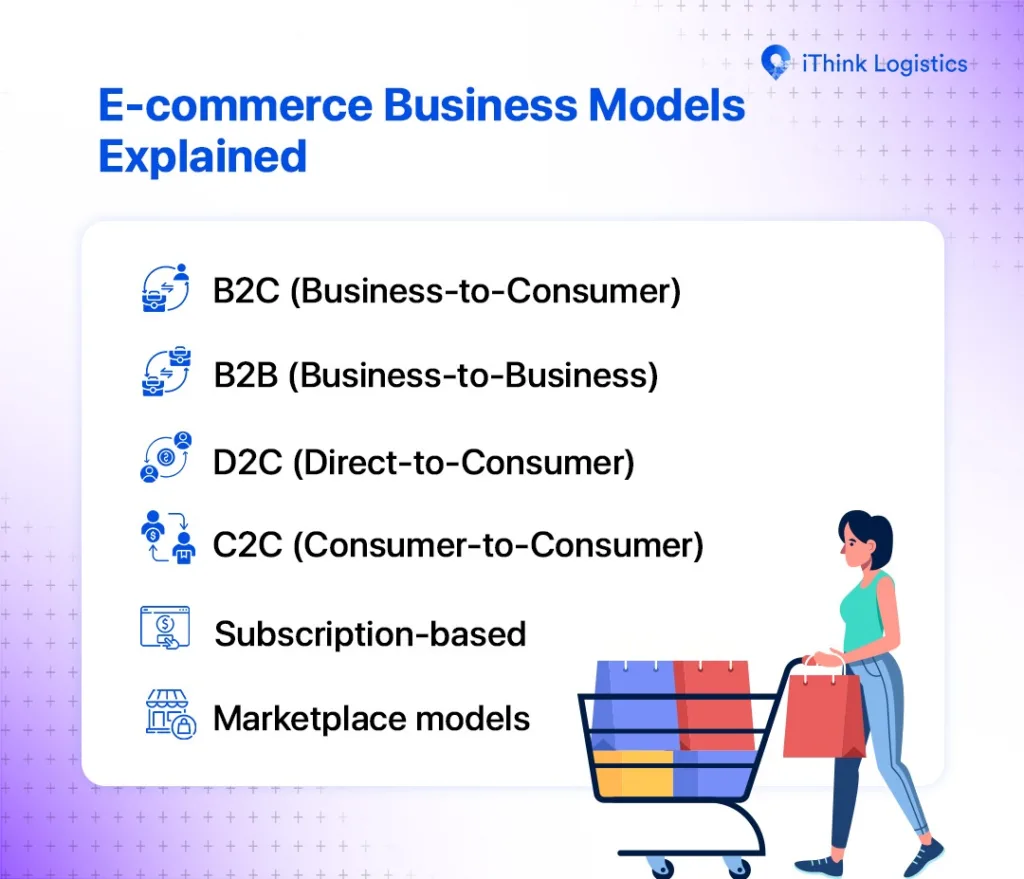
Understanding e-commerce business models is crucial because your model fundamentally shapes your marketing strategy.
B2C (Business-to-Consumer): The most common model where businesses sell directly to individual consumers. Think of most online retailers you know. Your marketing focuses on emotional triggers, lifestyle positioning, and building desire.
B2B (Business-to-Business): Selling to other businesses requires longer sales cycles, relationship building, and content that demonstrates ROI and efficiency gains. The decision-making process involves multiple stakeholders, so your marketing must address various concerns.
D2C (Direct-to-Consumer): Brands that manufacture and sell directly to customers, cutting out wholesalers and retailers. This model offers higher margins and complete control over customer experience and data. Companies like Warby Parker and Casper pioneered this approach.
C2C (Consumer-to-Consumer): Platforms like eBay, Poshmark, and Facebook Marketplace where individuals sell to each other. If you’re building a C2C platform, your marketing focuses on building trust and community.
Subscription-based: Recurring revenue models where customers pay regularly for products or services. This requires marketing that emphasizes ongoing value and builds habit formation.
Marketplace models: Platforms that connect buyers and sellers (Amazon, Etsy, Airbnb). Your marketing serves two audiences simultaneously—attracting both sellers and buyers.
Choosing the right model depends on your product, target market, resources, and marketing capabilities. A subscription box for specialty coffee beans requires different marketing than a B2B SaaS platform or a handmade crafts marketplace.
1.3 Advantages and Disadvantages of E-commerce
Understanding the advantages and disadvantages of e-commerce helps you play to your strengths and mitigate weaknesses.
The Advantages:
Scalability: Unlike physical retail, you’re not limited by square footage or geography. A viral product can scale from 100 orders to 10,000 orders without finding a bigger storefront.
Global Reach: Sell to customers anywhere, anytime. A craftsperson in rural Thailand can reach buyers in New York, London, and Sydney simultaneously.
Lower Overhead: No rent for prime retail locations, smaller staff requirements, and automation possibilities dramatically reduce fixed costs.
Data and Insights: Every click, view, and purchase generates data. You know exactly what products people view, where they abandon carts, and what marketing drives conversions.
24/7 Operations: Your store never closes. Customers can shop at 3 AM in their pajamas (and they do).
Automation: From email sequences to inventory management to customer service chatbots, technology handles repetitive tasks while you focus on growth.
The Disadvantages:
Intense Competition: Low barriers to entry mean thousands of competitors are just a click away. Standing out requires significant marketing investment.
Trust Barriers: Customers can’t touch products, and concerns about fraud, quality, and delivery create friction. Building trust through reviews, guarantees, and brand positioning is essential.
Logistics Dependency: You’re only as good as your fulfillment and shipping. Delays, damages, and delivery issues directly impact customer satisfaction and reviews.
Technology Requirements: Platform maintenance, security, mobile optimization, and integration with various tools require ongoing technical expertise.
Customer Acquisition Costs: As digital advertising becomes more competitive, acquiring customers profitably becomes increasingly challenging.
Returns and Refunds: Online shopping naturally has higher return rates than physical retail, impacting margins and operations.
The most successful ecommerce businesses don’t ignore these disadvantages—they build systems and marketing strategies specifically designed to overcome them.
1.4 How to Start an Ecommerce Business (Marketing-First Approach)
Most guides on how to start an ecommerce business focus on technical setup: choosing platforms, setting up payment processing, sourcing products. Those are important, but here’s the contrarian truth: your marketing strategy should be developed before you finalize your product selection or build your store.
Why? Because marketing viability determines business viability.
The Marketing-First Launch Framework:
1. Validate Demand Before Building: Use landing pages, social media engagement, or pre-orders to test if people actually want what you’re planning to sell. The time to discover there’s no market is before you invest thousands in inventory.
2. Understand Your Customer Acquisition Cost (CAC): Research how much it costs to acquire customers in your niche through various channels. If your product has a $30 margin but customer acquisition costs $45, you don’t have a business—you have a expensive hobby.
3. Map Your Traffic Strategy: How will people find you? If your answer is “SEO and social media,” you need specifics. What keywords will you target? What content will you create? Which social platforms match your audience demographics?
4. Plan Your Conversion Funnel: Think beyond the homepage. How will you convert visitors into buyers? What’s your email capture strategy? How will you handle cart abandonment? What trust signals will overcome purchase hesitation?
5. Design for Retention from Day One: The real profit in ecommerce comes from repeat customers. Before launching, plan your post-purchase email sequence, loyalty program, and retention strategy.
6. Build a Launch Audience: Start creating content, building an email list, and engaging potential customers months before launch. Your first day of business shouldn’t be your first day of marketing.
This approach might seem slower, but it dramatically increases your odds of building a sustainable ecommerce business rather than an expensive experiment.
2. E-commerce Growth Hacking & Market Expansion
2.1 What Is Growth Hacking in Ecommerce?
Growth hacking isn’t just a buzzword—it’s a fundamentally different approach to growing your ecommerce business.
Traditional marketing follows established playbooks: run ads, send emails, post on social media, measure results, optimize, repeat. E-commerce growth hacking is experimentation-driven, focusing on rapid testing of unconventional tactics to find scalable, cost-effective growth channels.
The mindset shift is crucial. Traditional marketers ask “How do we execute this campaign well?” Growth hackers ask “What’s the fastest, cheapest way to validate if this channel/tactic/message can scale?”
Metrics That Matter at Each Growth Stage:
Early Stage (0-100 customers): Product-market fit indicators. Are people buying? Are they coming back? What’s qualitative feedback? Don’t obsess over CAC yet—focus on whether you’ve built something people genuinely want.
Growth Stage (100-10,000 customers): Unit economics become critical. What’s your CAC? Lifetime value (LTV)? LTV:CAC ratio should be at least 3:1. Which channels drive the highest-quality customers?
Scale Stage (10,000+ customers): Channel efficiency and operational metrics. How do you maintain growth rate while improving margins? Can you expand into new markets or products with an existing customer base?
2.2 Expert-Led Growth Hacks for Ecommerce Businesses
Acquisition Shortcuts:
Partner with Complementary Brands: Find non-competing businesses targeting the same audience. A yoga mat company partners with a meditation app. Co-create content, share audiences, split costs. You instantly access their customer base.
Create Viral Referral Loops: Give customers compelling reasons to share. Not just “get $10 off”—make it social currency. “Give friends 20% off, and for every friend who buys, you both get entered to win a year of free products.”
Leverage Micro-Influencers at Scale: Instead of one expensive macro-influencer, work with 50 micro-influencers in your niche. They have higher engagement rates and more authentic connections with followers.
Retention-Focused Growth Loops:
Turn Customers into Content Creators: The best growth hack is making customers your marketing team. Create campaigns encouraging user-generated content, then feature customers prominently on your site and social channels.
Build a Community, Not Just a Customer Base: Create Facebook groups, Discord servers, or exclusive forums where customers connect with each other. Community creates stickiness that discounts never can.
Implement Smart Subscription Options: Even for non-subscription businesses, offer “subscribe and save” options. Predictable revenue and automatic retention.
Scaling Without Burning Ad Budgets:
Content as Acquisition Infrastructure: Every blog post, video, or guide that ranks in search is an asset that drives traffic indefinitely without ongoing costs.
Strategic PR and Newsjacking: Position your founder or products in response to trending news in your industry. One well-placed article can drive more qualified traffic than months of paid ads.
Optimize for Lifetime Value, Not First Purchase: Stop optimizing for cheap first-time customer acquisition. Optimize for acquiring customers with high repeat purchase probability, even if initial CAC is higher.
3. Driving Traffic to Your Ecommerce Store
3.1 Traffic Channels That Actually Convert

Not all traffic is created equal. A thousand visitors from a viral Reddit post might generate fewer sales than 100 visitors from a targeted Google search.
Organic Search (SEO): The long game that pays compound interest. Ranking for product keywords and informational queries drives highly qualified traffic with clear purchase intent. Requires patience and consistent content creation, but delivers the best ROI over time.
Paid Search (Google Ads, Bing): Capturing demand that already exists. People searching for “organic cotton bed sheets” are ready to buy—if your ad and landing page convince them you’re the right choice. Higher immediate costs but predictable and scalable.
Social Media (Organic): Building brand awareness and community. Organic social rarely drives immediate sales but creates the familiarity and trust that influence future purchases. Platform choice matters—your audience might be on TikTok, LinkedIn, Pinterest, or still on Facebook.
Paid Social (Facebook, Instagram, TikTok Ads): Creating demand through interruption marketing. You’re showing products to people who weren’t actively shopping. Requires compelling creative and strong understanding of audience psychology.
Referral Traffic: Visitors coming from other websites—blog mentions, directory listings, partner sites. Build relationships with bloggers and publications in your niche. One feature on a major site can drive sustained traffic.
Email Marketing: Often categorized separately, but email drives traffic back to your store. Your email list is owned media that platforms can’t take away.
The key is aligning traffic sources with your specific e-commerce business models. A high-end B2B software platform shouldn’t prioritize TikTok, while a trendy fashion brand targeting Gen Z absolutely should.
Driving traffic to your ecommerce store requires a strategic mix of SEO, paid advertising, social media engagement, and consistent brand messaging to attract and convert the right audience.
3.2 Mobile Traffic & the Rise of M-Commerce
What is M-commerce? Mobile commerce (m commerce) refers specifically to buying and selling through mobile devices—smartphones and tablets. While all m commerce is ecommerce, not all ecommerce is m commerce.
The difference between e-commerce and M-commerce isn’t just screen size. M commerce involves unique behaviors, contexts, and technologies:
- Location-based marketing: Mobile devices enable GPS-triggered promotions and local inventory visibility
- One-touch payments: Apple Pay, Google Pay, and saved payment methods reduce friction dramatically
- App-based experiences: Native apps offer push notifications, faster loading, and offline functionality
- Social commerce integration: Mobile users seamlessly move from Instagram to checkout
- Shorter sessions: Mobile shoppers browse in spare moments—waiting in line, commuting, before bed
Mobile-first marketing strategies are no longer optional. Mobile commerce now represents over 70% of all ecommerce traffic in many markets.
Optimize for mobile or die:
- Page speed is critical—every second of load time costs conversions
- Thumb-friendly design with large tap targets
- Simplified checkout (minimize form fields, enable autofill)
- Progressive web apps (PWAs) offering app-like experiences without downloads
- Mobile-specific content formats (vertical videos, swipeable galleries)
- SMS marketing for immediate engagement
If your site isn’t genuinely delightful on mobile, you’re losing the majority of potential customers before they ever see your products.
4. Instagram Marketing & Social Commerce Mastery
4.1 Influencer Marketing for Ecommerce Growth
Influencer marketing has evolved from celebrity endorsements to sophisticated, performance-driven partnerships with creators at every tier.
Creator Partnerships That Drive Revenue:
The days of paying influencers for a single post and hoping for the best are over. Strategic influencer relationships are built on:
Authentic Alignment: Partner with creators who genuinely use and love products in your category. Their audience can smell inauthentic promotion instantly.
Clear Performance Metrics: Track unique discount codes, affiliate links, or dedicated landing pages. Know exactly what each partnership delivers.
Long-term Relationships Over One-offs: Ongoing partnerships where an influencer becomes genuinely associated with your brand drive far more value than one-time posts.
Diverse Creator Tiers: Nano-influencers (1K-10K followers) often deliver the highest engagement and most authentic recommendations. Micro-influencers (10K-100K) balance reach and engagement. Macro-influencers provide scale but at much higher costs and often lower engagement rates.
Measuring ROI Beyond Vanity Metrics:
Likes and comments matter less than:
- Actual revenue generated through trackable links
- Quality of traffic (bounce rate, time on site, pages viewed)
- Cost per acquisition compared to other channels
- Customer lifetime value of influencer-driven customers
- Brand lift and awareness metrics in target demographics
The best influencer campaigns don’t just drive immediate sales—they create ongoing brand awareness that influences future organic purchases.
4.2 Instagram Shopping as a Conversion Channel
Instagram Shopping has transformed the platform from a discovery channel to a complete commerce environment.
In-App Shopping Experiences:
Users can now discover products in posts, Stories, Reels, and the dedicated Shop tab, view product details, and complete purchases without ever leaving Instagram. The friction between inspiration and transaction has virtually disappeared.
Turning Engagement into Sales:
- Shoppable Posts: Tag products directly in feed posts, making every piece of content a potential storefront
- Product Stickers in Stories: Add swipe-up shopping to time-limited Stories, creating urgency
- Instagram Live Shopping: Host live events showcasing products, answering questions, and driving immediate purchases
- Collections: Curate product groupings for different customer segments or use cases
- Checkout on Instagram: Some businesses can enable complete in-app checkout, eliminating even the friction of redirecting to websites
The key is treating Instagram not as a separate marketing channel but as an integrated storefront with its own unique customer journey and conversion opportunities.
5. Content Marketing & Blogging for Ecommerce
5.1 Why Blogging Is Critical for Ecommerce Marketing
Here’s what many ecommerce businesses miss: product pages alone will never build the traffic, trust, and authority needed for long-term success.
SEO Benefits: Product pages compete directly with Amazon, Walmart, and major retailers with massive domain authority. You’ll rarely outrank them for product keywords alone. Blog content lets you rank for informational queries your target customers are searching for, building traffic and authority that eventually supports product page rankings.
Trust Building: Helpful, educational content positions your brand as an expert, not just a seller. When customers trust your expertise, they’re far more likely to trust your products.
Education That Enables Sales: Many products require explanation. The more complex or novel your products, the more content you need to help customers understand why they need it and how to use it effectively.
Brand Authority: Consistent, high-quality content establishes thought leadership. You’re not just another store—you’re the definitive resource in your niche.
Blogging as a Long-Term Acquisition Engine:
Unlike paid ads that stop working the moment you stop paying, blog content continues driving traffic for months or years after publication. A single well-optimized ecommerce blog post can generate thousands of visitors and hundreds of customers over its lifetime, making the ROI practically infinite.
5.2 Creating the Perfect Ecommerce Content Marketing Strategy
Content Types for Each Funnel Stage:
Top of Funnel (Awareness): Educational content answering questions your audience has, even if not directly about your products. A camping gear store writes about “best hiking trails in the Pacific Northwest” or “how to plan your first backpacking trip.”
Middle of Funnel (Consideration): Comparison guides, buying guides, and content that helps customers make purchase decisions. “How to choose the right tent for your camping style” or “Sleeping bag temperature ratings explained.”
Bottom of Funnel (Decision): Product-specific content, detailed reviews, use cases, and customer stories. “The complete guide to the [Your Product Name]” or “5 ways customers use our camping stove.”
Educational vs. Transactional Content Balance:
The best ecommerce content strategies maintain roughly 70% educational, 30% transactional. Too much educational content and you build traffic without conversions. Too much transactional content and you never build the traffic or trust needed for sustainable growth.
Educational content attracts and nurtures. Transactional content converts. You need both, strategically interwoven with internal links that guide readers from education to products.
6. Conversion Rate Optimization (CRO) for Ecommerce
6.1 Understanding CRO in Ecommerce Marketing
Conversion Rate Optimization is the systematic process of increasing the percentage of visitors who complete desired actions—adding to cart, completing purchases, signing up for emails.
Here’s why CRO matters more than almost any other marketing activity: if you’re driving 10,000 visitors monthly to your store and 2% convert, you’re getting 200 customers. Improve conversion to 3% and you get 300 customers—a 50% increase in revenue without spending a dollar more on traffic.
What CRO Really Means for Ecommerce Businesses:
It’s not just about the checkout process. Conversion rate optimisation spans the entire customer journey:
- Homepage engagement (do visitors explore or bounce immediately?)
- Product discovery (can people find what they’re looking for?)
- Product page persuasion (do pages answer objections and build desire?)
- Cart process (how many people abandon at each step?)
- Trust signals (do visitors feel confident buying from you?)
Key Conversion Metrics to Track:
- Overall conversion rate (visitors to purchasers)
- Product page conversion rate (product page visitors to add-to-carts)
- Cart abandonment rate (started checkout to completed purchase)
- Average order value (revenue per transaction)
- Browse-to-buy ratio (product views needed per purchase)
- Exit rate by page (where are you losing people?)
6.2 Expert Tips to Optimize Your Product Pages
Your product pages are your salespeople. They need to answer every question, overcome every objection, and create genuine desire.
Essential Elements:
High-Quality, Multiple Images: Show products from every angle. Include lifestyle shots showing products in use. Enable zoom functionality. Consider 360-degree views or video.
Compelling, Benefit-Focused Headlines: Not just the product name. What’s the transformation or benefit? “The Backpack That Finally Fits Everything (Without Looking Bulky)”
Detailed Yet Scannable Descriptions: Combine bullet points for quick scanning with detailed paragraphs for thorough researchers. Address the “why” not just the “what.”
Social Proof: Reviews, ratings, customer photos, testimonials. Nothing builds trust like proof that real people are happy customers.
Clear, Visible CTAs: Your “Add to Cart” button should be impossible to miss. Use contrasting colors and keep it above the fold.
Trust Signals: Security badges, return policy, satisfaction guarantee, shipping information. Address anxiety before it becomes an objection.
Scarcity and Urgency (When Honest): “Only 3 left in stock” or “Sale ends in 24 hours” works—but only if true. False scarcity destroys trust.
6.3 Writing Product Descriptions That Sell
Terrible product descriptions read like specifications sheets. Great product descriptions tell stories and paint pictures of transformed lives.
Six Principles:
1. Lead with Benefits, Not Features: Don’t say “stainless steel construction.” Say “stays hot for 6 hours, so your morning coffee is perfect even at your 2pm meeting.”
2. Know Your Customer’s Language: Write how your customers speak, not how you think you should sound. If they say “cozy” rather than “comfortable,” use “cozy.”
3. Address Objections Preemptively: Think of every reason someone might not buy, then address it. “Worried about sizing? Our adjustable straps fit everyone from 5’2″ to 6’4″.”
4. Appeal to Senses and Emotions: Help customers imagine the experience. “Sink into cloud-soft fabric that wraps you in comfort after long days.”
5. Use Specific Details Over Generic Praise: Not “very durable.” Instead “survived three years of daily use by a professional chef.”
6. Make It Scannable: Short paragraphs, bullet points, varied formatting. People skim first, read details later.
Also Read: 6 Simple Ways to Write Product Descriptions that Sell
6.4 How to Convert Customers from a Sold-Out Product Page
A sold-out product page isn’t a dead end—it’s an opportunity to capture interested customers and potentially drive alternate sales.
Strategies:
Back-in-Stock Notifications: Email capture with “Notify me when available.” You’re building a list of people who’ve already expressed strong purchase intent.
Recommend Alternatives: “Similar products you might love” with legitimate alternatives, not just random suggestions.
Explain the Scarcity: “This sold out because…” Telling the story creates FOMO that makes people want to be part of the next batch.
Offer Waitlist Perks: “Join the waitlist and get early access + 10% off when it’s back in stock.”
Showcase What Made It Popular: Feature reviews and customer photos. Build desire for when it returns.
7. Promotional & Guerrilla Marketing Strategies
7.1 Smart Use of Offers Without Hurting Brand Value
Discounts are addictive—for customers and businesses. Once you start, it’s hard to stop without seeing sales drop. The key is strategic promotion that drives sales without training customers to never pay full price.
Effective Promotional Strategies:
Discounts for Specific Actions: Not “20% off everything” but “20% off your first order” or “15% off when you buy 3 or more.” You’re incentivizing behaviors, not just buying discounts.
Bundling: “Buy the complete set and save” creates higher AOV without discounting individual products.
Loyalty Rewards: Points, VIP tiers, exclusive access. Rewards feel like earning, not buying.
Time-Limited Offers: Flash sales and seasonal promotions create urgency without constant discounting. The key word is “limited.”
Free Shipping Thresholds: “Free shipping on orders over $50” drives higher order values more effectively than percentage discounts.
The Golden Rule: Never discount your full catalog all the time. Occasional, strategic promotions are effective. Constant discounting destroys brand value and margins.
Also read: 5 Smart Ways of Using eCommerce Offers To Generate Sales
7.2 Guerrilla Marketing for Ecommerce Brands
Guerrilla marketing means unconventional, low-cost tactics that generate outsized attention.
Low-Budget, High-Impact Campaign Ideas:
Strategic Stunts: Create physical installations or experiences that get social media coverage. A mattress company leaves mattresses in unexpected locations with “Take a break” signs and a QR code.
Viral Challenges: Create a branded challenge on TikTok or Instagram that users want to participate in because it’s fun, not just for prizes.
Surprise and Delight: Send unexpected gifts to customers who leave detailed reviews. Some will share the experience, creating authentic content.
Strategic Partnerships with Unlikely Allies: Partner with brands or organizations that share your values but aren’t competitors for co-marketing that feels fresh and unexpected.
When Guerrilla Marketing Works:
- Your brand has personality and isn’t afraid to be bold
- You’re targeting younger, social-media-native audiences
- You can move quickly to capitalize on moments
- The tactic is genuinely creative, not just cheap
When It Doesn’t:
- Your brand is conservative or targets risk-averse audiences
- The stunt feels forced or inauthentic
- You haven’t thought through potential negative reactions
- It’s just being weird for the sake of being weird
8. Email Marketing for Ecommerce Growth
8.1 Email as a Revenue & Retention Channel
Email often generates 25-30% of ecommerce revenue despite being one of the lowest-cost channels. Why? Because it’s owned media reaching people who’ve already expressed interest in your brand.
The Owned Audience Advantage:
Social media platforms can change algorithms, increase ad costs, or even ban your account. Your email list can’t be taken away. It’s your direct line to customers, unmediated by platform gatekeepers.
Lifecycle Email Strategies:
Welcome Series: New subscribers need nurturing. A 3-5 email sequence introducing your brand, telling your story, and offering value before asking for a sale.
Abandoned Cart: The easiest revenue in ecommerce. Send automated emails to people who added items but didn’t purchase. Include product images, address common objections, perhaps offer an incentive.
Post-Purchase: Don’t go silent after someone buys. Confirm purchase, provide tracking, offer usage tips, request reviews, suggest complementary products.
Re-engagement: Win back customers who haven’t purchased recently with “we miss you” campaigns offering compelling reasons to return.
VIP Nurturing: Your best customers deserve special treatment. Exclusive early access, special offers, personalized recommendations.
The key to email marketing success isn’t sending more emails—it’s sending more relevant emails. Segmentation and personalization dramatically improve open rates, click rates, and conversions.
Also Read: 10 email marketing tips to boost your e-commerce business
9. Customer Experience, Happiness & Service Excellence
9.1 10 Ideas Worth Trying for Customer Happiness
Creating happy customer experiences isn’t just about resolving complaints—it’s about exceeding expectations at every touchpoint.
Ten Strategies:
1. Surprise Upgrades: Randomly upgrade shipping, include free samples, or add handwritten thank-you notes. The unexpected delight creates emotional connection.
2. Proactive Communication: Don’t wait for customers to ask. Send updates about orders, potential delays, or product tips.
3. Easy Returns: Make returns so easy that customers feel zero risk. This counter-intuitively decreases return rates by building confidence.
4. Personalized Packaging: Custom tissue paper, branded stickers, carefully curated unboxing experiences. The physical product’s arrival is a crucial moment.
5. Exceptional Response Times: Answer questions within hours, not days. Speed signals that you care.
6. Empower Support Teams: Give customer service authority to solve problems without endless approvals. Solve issues in one interaction.
7. Educational Content: Help customers get maximum value from products through guides, videos, and tips.
8. Loyalty Recognition: Acknowledge repeat customers. “We noticed this is your 5th order—thank you for being an amazing customer!”
9. Community Building: Create spaces where customers connect with each other, not just with your brand.
10. Act on Feedback: When customers make suggestions, actually implement good ideas and tell them you did. Nothing says “we listen” like visible changes based on feedback.
Also Read: 10 ideas worth trying for customer happiness
9.2 How Customer Feedback Can Improve Ecommerce Sales
Customer feedback isn’t just for improving products—it’s a goldmine of marketing intelligence.
What feedback reveals:
Product Page Gaps: If customers repeatedly ask the same questions, your product pages aren’t answering them. Add that information.
Messaging Opportunities: When customers rave about unexpected benefits, that’s what you should highlight in marketing. Let customers tell you what’s actually valuable.
Product Development: Identify what features matter most and what problems remain unsolved.
Social Proof Source: Positive feedback becomes testimonials, reviews, and case studies.
Objection Handling: Negative feedback shows exactly what hesitations you need to address in marketing and sales materials.
Implement systematic feedback collection: post-purchase surveys, review requests, customer interviews, support ticket analysis. Then actually use what you learn to improve the entire customer experience.
Also Read: How customer feedback can improve your e-commerce sales
10. Logistics, Delivery & Supply Chain Visibility
10.1 How to Improve Customer Service in the Logistics Industry
In ecommerce, logistics isn’t just operations—it’s marketing. The delivery experience significantly impacts customer satisfaction, reviews, and repeat purchases.
Critical Logistics Touchpoints:
Order Confirmation: Immediate confirmation with clear expectations sets the tone. Tell customers what happens next and when.
Fulfillment Speed: Fast processing matters more than you think. Same-day or next-day shipping often justifies premium pricing.
Packaging Quality: Products arriving damaged destroys customer experience. Over-invest in protective packaging.
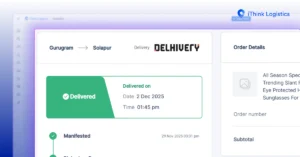
Tracking Transparency: Customers need visibility. Uncertainty creates anxiety and support requests.
Delivery Experience: The final moment of truth. Is it timely? Condition? Does it match expectations?
Managing Exceptions: Problems happen. How you handle delays, damages, or errors determines whether customers stay loyal or leave terrible reviews.
Also Read: How to Improve Customer Service in the Logistics Industry?
10.2 Benefits of Having a Branded Tracking Page
Most ecommerce businesses send customers to carrier websites for tracking. This is a massive missed opportunity.
Why Branded Tracking Matters:
Continued Engagement: Customers check tracking repeatedly. Each visit to your branded tracking page is another brand touchpoint.
Upselling Opportunities: Display complementary products or special offers while customers wait for deliveries.
Support Deflection: Proactively answer common questions about delivery timing, reducing support tickets.
Brand Control: Carrier tracking pages are utilitarian and sometimes confusing. Your branded page can be beautiful and clear.
Marketing Opportunities: Promote social media, referral programs, or upcoming sales to engaged customers.
A branded tracking page transforms delivery tracking from a utility into a marketing channel.
Also Read: Benefits Of Having A Branded Tracking Page For Your eCommerce Business
10.3 Why Door-to-Door Delivery Impacts Brand Trust
The phrase door to door delivery represents more than logistics—it represents reliability and care. In ecommerce, delivery is the only physical interaction most customers have with your brand.
Delivery Experience as a Marketing Touchpoint:
When a package arrives exactly when promised, in perfect condition, beautifully packaged, customers feel the brand kept its promise. This creates trust that influences future purchases and referrals.
When delivery is late, damaged, or confusing, customers blame the brand, not the carrier. Their entire perception shifts based on those final moments.
Supply Chain Visibility and Proactive Communication:
Modern customers expect transparency. Supply chain visibility—knowing exactly where products are and when they’ll arrive—has become a baseline expectation, not a luxury.
Best practices:
- Set realistic expectations and overdeliver when possible
- Communicate proactively about any delays or issues
- Provide detailed tracking information
- Invest in packaging that protects products and delights customers
- Partner with reliable carriers even if they cost slightly more
- Have contingency plans for busy seasons or disruptions
Your logistics and delivery operations aren’t separate from marketing—they’re fundamental to brand experience and customer retention.
11. Branding, Loyalty & Personalization
11.1 Ecommerce Branding Guidelines for Long-Term Growth
In a crowded marketplace where customers have infinite options, brand is what makes them choose you—and choose you again.
Visual Identity: Consistent colors, fonts, photography style, and design elements across all touchpoints. Customers should recognize your brand instantly, whether they’re on your website, scrolling Instagram, or opening a package.
Tone and Voice: How you communicate matters as much as what you say. Are you professional and authoritative? Friendly and conversational? Bold and irreverent? Your brand voice should be consistent but not robotic—authentic personality that resonates with your target audience.
Brand Values: What do you stand for beyond making sales? Sustainability? Innovation? Community? Inclusivity? Values-driven brands build deeper connections with customers who share those values.
Consistency: The most powerful brands maintain consistency across every touchpoint. Your email tone matches your website copy matches your social media matches your packaging inserts. Inconsistency creates confusion and weakens brand impact.
Long-term brand building requires patience. You’re not just creating recognition—you’re building associations, emotions, and loyalty that compound over time.
Also Read: E-commerce Branding Guidelines
Also Read: Maximize E-commerce Loyalty with Personalization
11.2 Personalization as a Loyalty Multiplier
Generic experiences create transactional relationships. Personalized experiences create emotional connections.
Data-Driven Personalization:
Product Recommendations: Use browsing history, purchase patterns, and customer segments to suggest products people actually want, not random items.
Dynamic Content: Show different homepage content to first-time visitors versus returning customers. Display products based on past behavior.
Personalized Discounts: Reward loyal customers differently than first-time buyers. Offer products related to past purchases.
Building Emotional Connections:
Remember and acknowledge milestones—purchase anniversaries, birthdays, or loyalty tier achievements. Recognize preferences and behaviors. Make customers feel seen as individuals, not just transactions.
When done well, personalization doesn’t feel like marketing—it feels like a brand that truly understands and cares about its customers. That’s what transforms buyers into loyal advocates.
12. Turning Buyers into Repeat Customers
Post-Purchase Engagement
The sale isn’t the end of the customer journey—it’s the beginning of the relationship.
Immediate Post-Purchase:
Thank You: Express genuine gratitude. This person chose you among countless options.
Order Confirmation: Set clear expectations for what happens next.
Shipping Updates: Keep customers informed without them needing to ask.
First Days After Delivery:
Usage Tips: Help customers get maximum value from products. “Three ways to get the most out of your new [product].”
Review Requests: Ask for feedback while the experience is fresh. Make it easy with direct links and clear calls-to-action.
Complementary Product Suggestions: Introduce products that enhance what they bought.
Weeks Later:
Check-ins: “How’s your [product] working out?” Shows you care beyond the transaction.
Exclusive Offers: Reward purchases with special access or discounts on related products.
Referral Invitations: Happy customers are your best marketers. Give them easy ways to share.
Also Read: How to turn one-time shoppers into lifetime customers
Retention Strategies for Sustainable Growth
Acquiring new customers costs 5-25 times more than retaining existing ones. Yet most ecommerce businesses obsess over acquisition and neglect retention.
Building Retention Into Your Business Model:
Subscription Options: Even for non-subscription products, “subscribe and save” creates automatic retention.
Loyalty Programs: Reward repeat purchases with points, exclusive access, or special perks.
Email Nurturing: Regular, valuable communication keeps your brand top-of-mind.
Community Building: Create spaces where customers connect beyond transactions.
Exceptional Service: Make every interaction so positive that customers can’t imagine buying elsewhere.
Product Quality: Nothing drives retention like products that exceed expectations.
The compounding power of retention: A customer who makes one purchase contributes their order value. A customer who purchases quarterly for three years contributes twelve orders plus referrals. Retention isn’t just more profitable—it’s exponentially more profitable.
Conclusion: Building a Profitable Ecommerce Marketing Ecosystem
Success in ecommerce isn’t about mastering one tactic or channel. It’s about building an integrated ecosystem where every element reinforces the others.
Your content marketing drives traffic that email marketing converts. Your conversion optimization increases the value of every traffic source. Your customer experience creates loyalty that reduces acquisition costs. Your logistics excellence prevents negative reviews that would undermine all other marketing efforts. Your branding makes customers choose you despite lower prices elsewhere.
The businesses that thrive understand this interconnection:
- They invest in supply chain visibility knowing that delivery experience impacts lifetime value
- They create happy customer experiences knowing that word-of-mouth remains the most powerful marketing
- They optimize m commerce experiences knowing that mobile shoppers are the majority
- They choose e commerce business models aligned with their marketing capabilities
- They balance the advantages and disadvantages of e commerce by building systems that maximize strengths and mitigate weaknesses
The path forward isn’t complicated, but it requires commitment:
Start with solid E-commerce Basics—understanding your business model and market. Drive targeted traffic through channels that match your audience. Optimize relentlessly for conversions at every touchpoint. Create customer experiences so remarkable that people can’t help but share. Build retention systems that turn single purchases into lifetime relationships.
This is how sustainable ecommerce businesses are built. Not through hacks or shortcuts, but through holistic marketing that serves customers genuinely while growing profitably.
The digital marketplace is more competitive than ever, but it’s also more opportunity-rich than ever. The question isn’t whether ecommerce business success is possible—it’s whether you’re willing to build the complete marketing ecosystem that makes it inevitable.



Leave a Reply