Simplify your logistics with scalable, tech-driven solutions tailored for Indian businesses. From warehousing to last-mile delivery—grow faster, ship smarter.
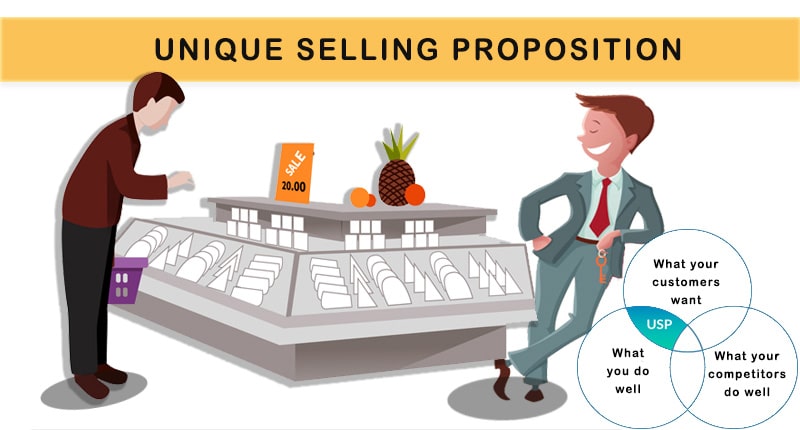
USP stands for a unique selling proposition. This particular thing gives your product and services a different identity and perspective from your competitive parties. If defined in a single term, USP is that particular essence that serves as the main core theme of all your marketing strategies and brings on the real engagement with the customers. They are provided with the perception of why they should buy from you instead of from your competitors.
There are many keys to how you have to provide your USP. One of the main aspects that you need to keep in mind is the USP should provide some special benefits that can attract your potential customers. In these cases, a vague statement will not work on customers.
You have to be very particular in showcasing your product and services better that your competitive brands.
Thus developing a USP is also a kind of assurance on how your products are going to sell in the market before you launch the product. If your product were not at all different from the others, then why would customers buy your stuff? Moreover, even if there is something that different about your product, is it worth the value for the customers? If both these conditions are not properly satisfied, then why would you make an effort to spend all your time and money on something that would not sell in the industry?
Conveying your Message to the Public
Unique selling propositions are considered one of the most critical aspects of the marketing strategies, especially for the small businesses, which all forcefully compete with other smaller brands as well as the larger brands. Your products and services might be much better than the other might.
You might have way better offers and prices, but if this news is not communicated to your potential customers, they will not have enough reasons to choose your brand over the others. This is one of the main aspects where your USP is put to test. The stronger your USP will be the better is your chance to reach potential customers.
Every marketing strategy and every superficial launch that you plan for the product is highly depended upon the customers. If the product does not reach customers or do not have a strong impact on them, then all your strategies and launches will be considered a failure. The most important thing for your brand is the customer’s engagement and that is exactly what USP is all about.
How to be Different?
Now the hardest question is how to be different from others? In your entire working life, you will have a question that will trip you at every stage. There is something anxious-making about thinking you have the answer and then realizing that you barely scratched the surface.
After years of struggle with this aspect in various forms, companies finally have a system. It is not rocket science; it is just clear thinking put into a framework that is full proof. You will get to your answer every time and it is easy.
The system involves channeling your inner toddler. Keep asking questions repeatedly until you come up with an answer. Ask yourself why you are different and then answer it. Now ask why a customer should care about that. Keep on asking the question until you come up with an answer that is compelling enough to get the desired attention you have been striving for years.
Nothing is ever complete without the context of your customers and your competitors, as we establish. So look at your customers first.
Read what they are looking for in your space. Is there a negative point that you can solve? Is there a positive aspect that you can enhance? Then look at your competitors. What are they saying? How are they differentiating themselves? It is obvious that all are confident enough to say that they are better than our competitors are, but how? Analyze the entire how and then figure everything out. This is where you are going to find your answer.
Once you have a distilled differentiator, it will form the basis of all your content going forward. With that and the rest of the context, you can pull out certain strategies that will take you through the rest of the year of your content.
Steps for creating USP
First, start by analyzing your market and your target audiences. Review the perspective of the targeted market, which might include the segments like gender, religion, income level, race, education, age, preferences, tastes and habits, origin, and many more of the same aspect. You exactly have to know what your customers are looking for and what they want. You should analyze what special offers your customers are interested in. Are they looking for discounted price rates, a particular location, convenient deliveries, home delivery services, etc?
Next thing that you have to figure out what your product can provide that other competitor’s products are not providing. Then analyze the benefit of the particular aspect and do the exact thing expected of you. Fill in the aspect of your product and let the customers hover over your product.
The next step is to get the best catchy slogan for your brand. This is one of the most important steps. Many customers are attracted to catchy slogans. If you have a perfect slogan that will exactly point on the benefits you are providing, you are good to go.
The last step is to use your USP for advertising purposes. Use it to advertise your brands in emails, and in all your Social media like Facebook, Instagram, LinkedIn, Twitter, Pinterest, and many more. You can also use your USP in promotional and marketing aspects. Use it wherever you think it will benefit your brand and will reach out to potential customers.
Why do you need USP?
A USP is a unique benefit to your customers. It is not a catchy slogan, not a mission statement, it is not an attribute about your company like how long it has been in the industry or it’s minority-owned, that can bring success to your company’s sales. The only thing that will get you going is the specific benefit you provide to your customers. Let us discuss some modern-day examples:
Volvo – The USP safety we all know. It is one of the safest.
Craftsman tool: this so durable that it comes with a lifetime guarantee. This benefit to the customers is durability guaranteed for life.
What is your possible USP? Focus on the customers and focus on the benefit and you will find your USP too. This is as fast as messy but this does not have to be hard. USP is the most important aspect for the success of your brand. This launches your product right in front of potential customers.
Benefits of USP
Company Benefit
When you have a strong USP for your product, it benefits your marketing as a whole. When your product and services are clearly stated by their USP. The audience becomes more appreciative of your brand for that particular benefit. If your USP is not stable enough then your customers are most likely to deviate from your brand to other brands with lower prices and better offers.
Improved revenue
A product with a strong USP always boosts up your market and gives that exact reason to the customers to buy your product instead of the other. With benefits and price rates properly stated and analyzed, a strong USP will define your product’s position at the right place in the market.
Loyal market place
When your product has a strong identity created with a significant USP, you can know your exact position in the market. Moreover, you will also know how well they stand with you. In this huge market place, you do not want your product to be just an option among various other products. If you have a powerful USP, you can easily stand out in the industry and can easily corner out other competitive brands. In a way, you can provide the market with what they were lacking increasing their loyalty for your company.
Streamlined strategy for your sales
In a huge market, your company can be a success or even a failure, because it is not that easy to highlight your brand. When you have a strong USP, it exactly points out your strength in the streamlined industry. A good USP exactly focuses on the benefits that your product is providing and allows your brand to stay on the streamlines of the market.
Conclusion
If you make the great launch, your product is great, and all but the audience is completely unaware of the product. Then what happens to your sales? It becomes a total failure. Therefore, it is first important to reach out to your audience and that is what a USP does. This is the reason why USP is very important for your products and services that you launch.
The world of digital has revolutionized the entire concept of marketing. From selling to buying, the world of marketing stands alone on strong pillars of the web world. Not just big enterprises but including the small and the medium businesses too are all submitting their business on the digital platform to reach out to their prospective customers.
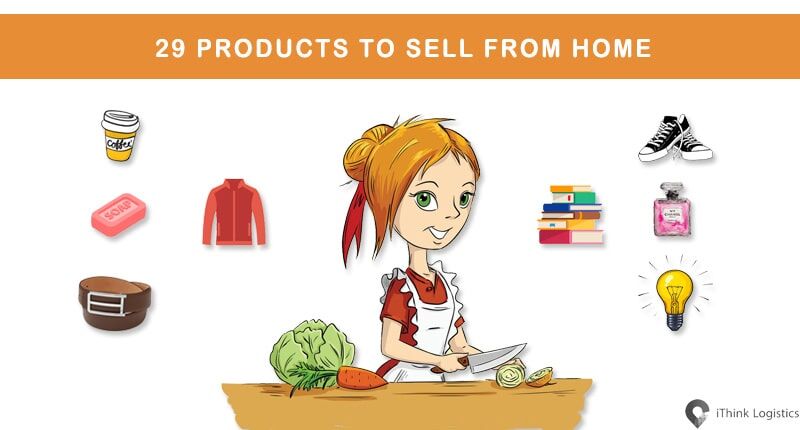
Speaking from a global perspective, the rise of digital selling and buying is estimated to grow into multifold in the coming future. Quite relevantly under this context comes the tropic of doing businesses from home. Selling products from home in 2019 has become pretty much advanced with countless business owners and entrepreneurs launching and selling their products and services online.
Today the numbers and data are enough to make this statement a justified argument. The concepts of traditional buying and selling with brick and mortar outlets nonetheless still exist prospectively. However, in the race with the digital world these traditional marketing lags much behind. Looking at the future through digital lenses, this race gets even more intense.
Speaking in terms of mere competition levels, digital selling and buying have huge growth and revenue estimation when compared to the traditional ones that are apprehended to get almost obsolete or negligible. The factor of advanced logistics makes online selling and buying even more prospective. The constraints of sending online products and services to prospective customers on a wide scale are no more to become hindrances for business owners and entrepreneurs.
The easy and smooth flow of shipping products or services adds as a bonus factor to the marketing concept o the web platform. If you search the best logistics services online you will have plenty of good options with positive reviews from worldwide customers and clients. With such a supportive factor of logistics, selling products or services online becomes an easy and profitable option. As the kernel point of this discussion is selling products online from home, let’s cast the focus on the concept.
How Selling Products Online from Home Is Beneficial?
As one of the most popular forms of business today, the concept of eCommerce is a thriving option worldwide. With the multiple ways and offers to help you earn in good amounts at a single click of a mouse, it also compliments your business owner’s potentials. Today, home-based online businesses have become a popular choice and are comparatively much easier than setting up a store in traditional modes.
Flexible hours, easy streamlining of marketing, low capital, no new business setting up hassles, are all few of the most notable benefits of doing online business from home. Home-based online business is most suitable for students, retired professionals, homemakers, and aged people. Encouraging statistics have proven over time that people from the above-mentioned categories have gained good ROIs by starting their to sell their products from home.
Here is an extensive list of products that you can opt for selling from home:
Fashion Items
As one of the most popular and in-demand products to be found on the internet and caters to a mass scale range of audiences, including both males and females, fashion items are a great choice for selling online. Not just it includes a wide variety of products that can be sold, but also fashion items are never prone to market fluctuations or change of audiences’ preferences. What is even more exciting about selling fashion products online that it ranks among the top-selling products on the online portal officially.
Baby Products
Right after the fashion items, selling baby products is similarly high and encouraging from an eCommerce perspective. Running parallel to the same kind of audiences’ demands as fashion items, baby products will always have a substantial amount of search online. Baby bathing essentials, grooming accessories, beauty accessories, food products, and day-to-day care items are all great options to sell online. Prospective online business owners stand out eminently in selling baby products from their homes and have earned encouraging ROIs for the same.
Sweaters and knitting products
If you were thinking of starting an online clothing store from home, it would be a great idea to go for sweaters and knitting products. In recent times online businesses need a newer regiment to have great success. Every day new online business and shopping websites are opening up and most of the websites are doing pretty well when it comes to clothing. There are many sweaters and knitting products like cardigans, scarfs, woolens bags, even handmade woolen home decors, and many more, can be sold online with a huge profit on the business part.
Candles
Handmade scented candles or pattern candles are very popular now and it can sell off well online from the comfort of your home. These candles are easy to make and you can get creative when it comes to decorating the candles. There are also handmade gel candles that could be handy too. These kinds of candles are up for sale all around the year. Scented candles are quite famous when it comes to the ultimate profit sell. The ecstasy of these candles sells itself. Other than this special category, you can also make a great profit by selling normal wax candles too. Festive seasons proves to be the best for this business.
Books
Books are an amazing option when it comes to selling them online. Thousands of people still hover over storybooks. Therefore, if you are a writer then you can sell your words through online medium. Moreover, if you are not a writer you can make this work by selling your old books at a minimal price. In this way, you can set up an online business that will never fail you. You can easily expand your business with books with a proper online hub. There are thousands of websites like BookFinder, eCampus, TextBook Rush, where you can sell books.
Footwears
You can never go wrong with shoes when it comes to selling them online. You will always have enough demand all over the globe for shoes. If you want to set up an online business from home for shoes, you don’t need to have a second guess. All you need for your shoe business to work is innovative and cool creative ideas that are not very similar to the existing styles. You can sell all types of shoes online like Heels, men’s casuals and formals, women casuals and formals, party wears, and many more. Personalizing your online store with a cool and creative logo can be great too.
Coffee Mugs
Coffee mugs are always popular as a gift and even you can get very creative when it comes to designing one. The internet can get never enough of these cute coffee mugs. When it comes to coffee mugs, we never have enough. So if you at designing or clay art or glass painting, you customize your mug. Coffee mug business can be a big hit during the winter seasons and festive seasons like Christmas and thanksgivings. There are a few types of coffee mugs that sell well that are: Far side mugs, Orgy mugs, Disney mugs, Odagiri mugs, graffiti mugs.
Bedding items
Thousands of people go online when it comes to bedding items like pillowcases, bedsheets, cushions, mattresses, etc. Selling bedding items online from home can be profitable because it is convenient to choose from different styles and the demand for such items never ends. You can sell creative handmade pillowcases, customized cushions, and many more if you are good at knitting and handmade stuff. In this business line, it is more important that you market well rather than just sell. Lastly, it is also important to know what are the different available materials that can make you bedding items more comfortable, so that they comply well with the customer’s needs.
Scarves
Scarves never go out of fashion, it never will, and the same goes for its business. If you are good at knitting beautiful woolen scarves then you can set up your own online business from your home to sell some. Scarves are pretty and it makes quite a decent gift for Christmas eves. Handmade scarves will sell well.
Soaps
Soaps can be a good business item especially when you are willing to set up aa home-based online business. There are many kinds of soaps that can be sold online like scented soaps, gel soaps, and the best ones that are selling like hotcakes now are the bath bombs. If you can sell bath bombs online, your business will be a total hit and you will have much profit. Bath bombs are easy to make. All it needs is little time and effort and some creativity if that is your specialty. Bath bombs are very popular in recent times and even celebrities are very fond of it. Moreover, if you are doing a business related to soaps the demand for supplies will never end, the reason being obvious.
Belts and ties
These items fall under the “must-have” categories for both males and females. Whether it is for office use or casual parties, you always need a belt. These are very common accessories and it will always have demand. Even the homemade belts and ties are also in trend now. Therefore, if you set up a home-based business of these items, it is bound to succeed if you market them well.
Homemade perfumes
Who doesn’t like perfumes? Perfumes are never enough. Perfumes sell widely in every part of the world. Perfumes add to the aesthetic essence. Opting to start a perfume business online from home is indeed a great option. There are many categories of perfume. Handmade perfumes are also in great demands and if your brand gains some popularity then you can sell perfumes at huge profits too.
Phone cases
This is a huge business item that sells like anything. Everybody needs a phone case and there are thousands of DIY ideas to make a phone case. You can be creative when it comes to making phone cases. This business can get huge if it is marketed well. The reason is simple, as the demands for phones increase so will the demand for phone cases. And in this digitalized world, the demand for phone cases will only grow. Therefore, if you are good at DIY, you can start your own business of selling handmade phone cases.
Headbands
Headbands are one of those accessories that will never go out of style neither out of demand. It is quite popular among young girls as most of them wear it to school or anywhere else. There are categories of headbands that you can sell online. They are formal headbands that children wear to school, party headbands, Disney headbands, makeup headbands, etc. Therefore, the demand for headbands will remain constant, but the success of your business depends on the way your strategies your marketing fundamentals.
Handmade Socks
Customization is real tea when it comes to any sort of clothing. If you can customize clothing with any aspect that is been trending, you are bound to sell. Customizing socks can work wonders. The demand for socks is never-ending. Therefore, if you can come up with really cool ideas like customizing a sock according to a trending series, or a Disney character, it would be great and will be a hit.
Greeting cards
Greeting cards are the best old school stuff that is still in trend. It is very sweet to give greeting cards to someone special. Thousands of people still want greeting cards. Greeting cards are always in fashion and can be used for any occasion. Whether you need to congratulate a person on his/her success or even wish or even need to apologize to someone, you can always do it with a greeting card. Moreover, customized greeting cards are very special and will always have customers to buy them.
Beach Blankets
This item is perfect for all those beach lovers and those who love to stay outdoors or go on vacation. You can always sell beach blankets and make huge profits, this item has always been in demand for decades now and it will stay in demand for decades to come. You can become funky and creative when it comes to designing beach blankets. Selling it online from your home-based business will engage quite an audience.
Lights and bulbs
Lights and bulbs are the most essential items whether it is for an occasion or even normally. You can customize your lights and bulbs or even can contact your local seller and source them online. This is a kind of business where the demand for supplies never ends and make a huge profit from it. People will always need lights and bulbs, no matter what. So, if you thinking of setting up an online business of lights and bulbs from home, you should just go for it without any second thoughts.
Spices and edible items
If you are an India, you will know the value of spices. The demand for spices is huge in India. So, if you are thinking of setting up a business in this regiment, then it will be a definite hit, of you market it well keeping all the guidelines in mind.
Handmade toys
Handmade toys are the cutest thing ever. It has been one of the oldest traditions in India. Online businesses associated with such items are very less. Therefore, if you set up a home-based online business with handmade toys, your business can be a hit.
Pet care products
People can never buy enough of their pet care products. Many people have pets and they look for an online platform to buy all the pet care products. It is not very convenient for many people to the run-up to the store because of their tight schedules. Therefore, if you are planning to set up an online regiment for such, then you are up the ante.
Fitness trackers
In these times, where everyone is obsessed with fitness or at least trying to get in shape, business related to fitness trackers can be a real bestseller. There are thousands of unhealthy people that are trying hard to get in shape and they look for fitness trackers online. There are many categories of products that involve fitness tracking like watches, bands, belts, etc. they are quite in demand, so selling them will be quite easier too.
Watches
Watches can never go out of styles. There is a huge demand when it comes to watches. If you are thinking of selling watches, then stop second-guessing and go for it. You just need to make sure that you have enough variety and stock.
Enamel pins
Enamel pins give that aesthetic look to your outfits. Now because of these high fashion trends, enamel pins are not only for formal attires but also can be used in casual wear too. So, it will be quite profitable if you sell enamel pins online.
Electronic Products
With the over-crowding demand for electronic gadgets and products, in such a brimming generation of digital dominance, selling electronic products from home in 2019 has become more than easy. From mobile accessories to beauty electronic appliances, anything and everything can be counted for selling it from home. One of the most favorable factors selling electronic items is that at every single stroke you gain the potential and scope of reaching out to more than millions of customer base. For business owners who have a healthy capital at their starting ventures, can opt for advanced digital electronic items like Bluetooth enabled devices, digital cameras, and laptops and such as.
Mobile Phones
The age is of digital super-dominance and smartphones has undoubtedly become an integral part of our lives. The demand in the market is so high that the targeted audiences’ age range starts from as early as 14+ and goes up to 60+. When it comes to buying smartphones, the recent trend shows a high ranking towards people being inclined to buying them online rather than walking into physical-digital stores. With home-based business selling mobile phones, you can reach to the masses and can incur great profits within a very short time. The escalating demands and digital dependency in modern lives have made selling smartphones an imperative business immune from any impending market fluctuations.
Bags
As one of the most highly saleable products under the category of fashion accessories, bags have been always customers” favorites. Not just for utility purposes, but bags have now made it to a point where it is being purchased to use it as a style statement. Irrespective of gender divisions of males and females, bags can be catered to a wide range of people with encouraging demands to sell it off to them. Recent stats show that people selling bags from their home-based businesses have also implemented innovative ideas of designing and customizing the bags and selling them to their targeted customers.
Jewelry
Jewelry is no wonder being referred to as women’s best friends and as a fashion accessory, it is no further limited to the female category but also extends to the male customer base as well. The trend of making and selling junk jewelry has been proved tremendously successful for countless home-based business owners. Be it costume jewelry, light wear jewelry, plush jewelry, ethnic jewelry, the demands for the above-mentioned categories are not just high and encouraging, but also existent throughout the year.
One of the most prospective parts of selling jewelry online from home is that business owners get a pretty much revenue hike around festive and wedding sprees. From Facebook live to sell it from their respective websites, selling jewelry online is one of the coolest trends in recent times and can be opted as a great choice for making easy profits from home.
Art Items
If you belong from an artistic background and have creative instincts incubating within you, selling art items online can be your next chance to earning nice profits from the comfort of your home! Art items like paintings collages, posters, customized artifacts, prized possessions, postcards, are all subjected to good demands in the market and people are seen to be purchasing them quite often. Not just you get to connect and reach out to art aficionados for selling your products but also you tap the set of audiences who are frequent art buyers to decorate their homes. At the same time, from home-based selling of art items, you earn back recognition for your creative work and also gain profits by labeling them with a price at which they are subjected to sell.
The Final Words
Thus, selling products online from home is not just the trend of the hour but also serves as a great way of earning money for countless people who face the constraint of doing a 9-5 job or starting a heavy capital business. Now that you have gained a transparent idea on the hottest products that are profitable for selling it form online, the next thing you should keep in mind is to know about the best logistics online. Once you are sorted on the shipping factors, your business gets even more streamlined. So, don’t wait anymore to start something good and profitable, go ahead with selling products online today!
You’ve launched an online store of your own and aren’t quite getting the results you want. When you look at your sales, the numbers indicate how you need to work on optimizing the product page even more.
Why isn’t it getting the traffic and buyers as expected? Maybe the abandoning rate is high, maybe people leave without adding anything to their cart.
While your conversion rates aren’t great, you can fix that by working to optimize your product page. Don’t just invite potential customers; entice them to buy your products! There are a lot of factors that influence buying behavior. So this is what you need to keep in mind while optimizing the product page.
The most high-hitting product pages have things have one ideology in common: they all help the customer with information to buy a certain product and convince them that this product will make a difference in their life.
By boosting the customer’s confidence to buy a product because the page has all the necessary information needed to make the decision, you turn your page into a high-conversion rate product page.
Since this is the highlight of the page, you need to check the kind of way you portray your product and its information for the users to be interested in buying it. For example:
If you are selling a mobile phone, the title of the product must contain descriptions about some of its features. (Ex: *Name of the mobile, Memory, Colour).
Followed by this, you must mention the pricing and the intriguing offers that your customers can avail while buying the product.
The detailed product descriptions, payment options, along with the delivery area are a must.
Ten Questions To Ask Yourself While Building A Stellar Product Page:
Does Your Page Have A Clear CTA?
On the product page, your Call To Action is to motivate the user to hit that “add to cart” button. That won’t quite happen if the button is placed in an inconvenient area, in an unattractive design and a less than ideal position.
Make sure that your “add to cart” button catches the user’s attention right after looking at the product. Place it in a convenient position so that it has the center stage around a decluttered space. In short, keep the area around the “add to cart” button clean without cramping too much of design or words.
Also, don’t rename this button into something too smart. If the user is confused, they’ll exit your page. Stick to the regular “add to cart” and “order now” prototypes.
Is Product Photography Done Right?
When you’re using e-commerce to sell your products, you already have two big advantages.
You’re saving on store placement expenses.
You can sell your product globally!
But this is also an obstacle for users who are habituated to checking out a product before they buy it. Touching it, trying it on and walking in them is a long store-hopping ritual that the majority of the population still prefer over the risk of buying something online.
So how do you use e-commerce to your advantage and convince your buyers that your product is top quality? The answer is simple: Product photography!
Your product could be premium, but it won’t sell at all if the pictures make it look cheap and shady. Since you’re saving up on areas where you don’t have to spend on store placements, invest carefully in a good product photographer. If you’re still left wondering, yes the investment is completely worth it.
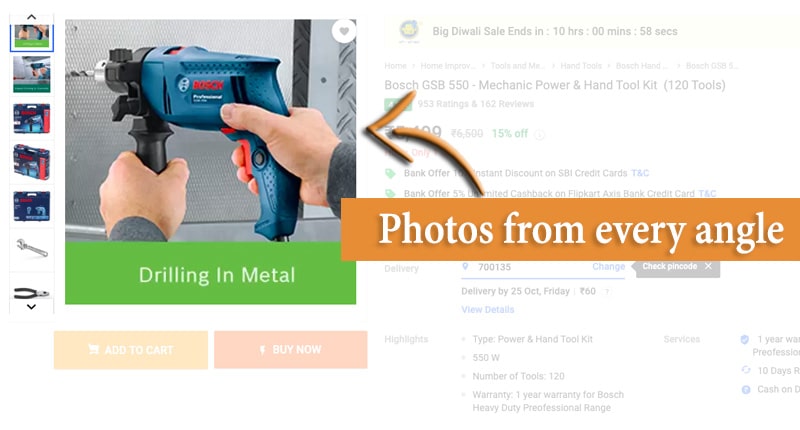
Having a set of amazing photos that show the best sides to your product from every angle possible will build the confidence of the user. Think of all the glam Halloween products people end up buying even if they’re of no real use, but just look pretty? You want that effect from your users, too.
Clicking good pictures in different themes with the perfect light and backgrounds to highlight the best of your product is how you capture great pictures.
Getting the right product photography can also pose a challenge. One needs to know what kinds of pictures would work best for your product. For example, herbal products clicked under a sterile white background won’t be as enticing as taking pictures of them in a nature-based background does, whereas, a pen needs to be photographed under a plain background to highlight the design and build.
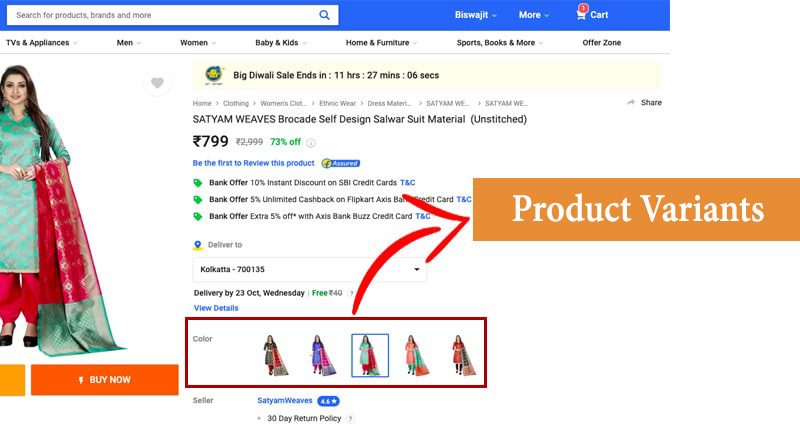
Have You Been Linking Images To The Variants?
Clicking pictures of all the variants of your products and linking them right will help the users understand what they look like. They might not be aware of the color “dreaming in purple” or “soufflé charm”.
You need to show them what it looks like rather than just listing the variants without any visual proof.
Are There Enough Details Worth The Price Of A Product?
The difference between selling a low-priced and high- value product is the details mentioned. When there are not a lot of details expected to be given about low priced products, the higher range of products needs enough information and details that justify its price.
Without clarity as to why this product is so expensive, the user may jump to the conclusion of being conned and won’t buy your premium-priced product.
You may think that the customers may know and get the product, but this is an incorrect assumption. Even if they did, they need to trust your product to buy it.
Where does that trust come from? Details and certifications!
Are There Enough Details For Customers To Decide To Buy?
On your e-commerce page, your user base will consist of a mix of people. Some will have expert knowledge of your product and know exactly what they’re looking for, while the others, may have no clue at all.
The goal here is to provide enough information in a language that is understandable to both sides of the knowledge spectrum. The technical specifications for the expert crowd may turn out to be utterly useless to novice buyers.
So, it is necessary to mention the technical details as well as content in a language that is understandable to a layman.
Pay attention to the tone; make sure it is welcoming and not patronizing.
Points to keep in mind:
A well-structured content with proper titles and subheadings
Answering all commonly asked questions of the users
A video showing a demo or 360-degree view of your product
Attention to UI/UX so that the customer can find the details conveniently if they want to read it.
Do You Have A Well Branded Product Page?
You could be selling the most premium range of products and still have no users converting to purchase because you haven’t established a brand to be trusted enough.
We see several examples of such excellent quality brands that don’t get the attention they deserve because they lack in the branding department.
In case you’re starting from scratch to establish your e-commerce page, make sure that it is presented in the best way possible. Sometimes people may never visit your home page and end up straight to the landing page or the page linked to blogs/articles.
Focus on the content on your product landing page to highlight the best face of your site, since it’s your official representative.
Do You Display Ambitious Content?
The point of having content with your products is to not bore the customers but inspire them to buy the product. Your content should be an evangelist for your product and push the users to hit that buy now button.
While developing ambitious content, think about the kind of users would buy the product and why. How is it supposed to make them feel? Take the example of Gillette’s tag line, “the best a man can get”. When a man reads it, he truly does feel like the shaving kit will pamper him because he deserves nothing less than the best.
Is Your Content Relatable With The Audience?
You could put up the most amazing piece of content and fail miserably if it doesn’t touch your audience. With differences in cultures, lifestyles, and habits, formulating the right content with the perfect context will get the users to emotionally relate to your product. If they can’t see it in their lives, they won’t buy it.
This sounds a lot like trying to advertise a calculator from a scientific point of view to a finance student. They’ll skip your calculator because of the assumption of it being a scientific one when the user needs a commerce calculator.
Make your content relatable to your target audience and pull at their strings. How will your product make a positive change and better your customer’s life? Mention that.
Content that sounds too robotic will automatically turn a lot of users off and will lead to them abandoning your page. Make the words sound human to draw empathy from the consumers. Keep the tone conversational, inviting and open.
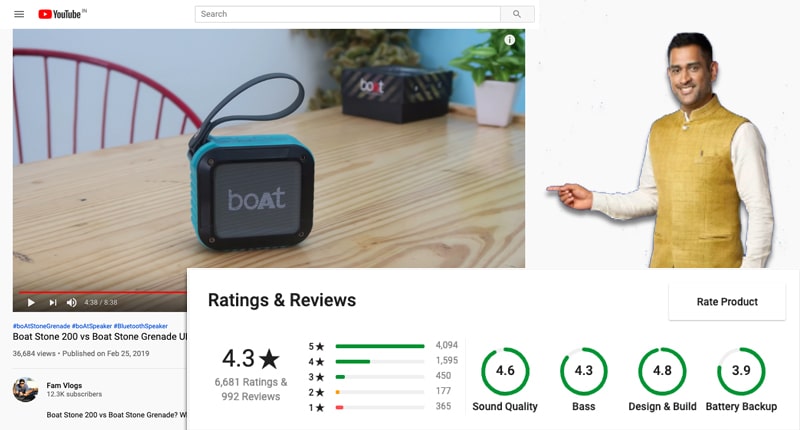
Is There Enough Social Proof Of Your Brand And Product?
Your product is only as good as people say it is. After all, it’s their word against yours. Your product page will be your landing page, so a proof that the users are at a genuine site has to come first and foremost.
To show proof of your brand and product, you need to resort to traditionalism. What garners trust and credibility from users? Word of mouth and the experience of others who have used your products before!
Displaying reviews and testimonials are an excellent way to earn trust and build your brand’s legitimacy on the landing page.
Do You Have A Good Understanding Of Your Customer?
All the above questions can be answered and applied aptly only and only if you know your customers well. Researching your target audience for their habits, purchasing power, mentality, buying mechanism, and motivations will help you create the perfect environment for your buyer to fall for your product, hard.
If you want your customers to relate to you and the product, you have to first learn what makes them tick. By creating a personality for your site, landing page, and products, using your understanding of your customer base will help you convert those site visits into sales.
Once you have these questions answered you’re ready to use the information below to create the perfectly optimized product page that not only draws huge traffic but also retains and converts these users into loyal customers.
21 Tips To Optimize Your Product Page
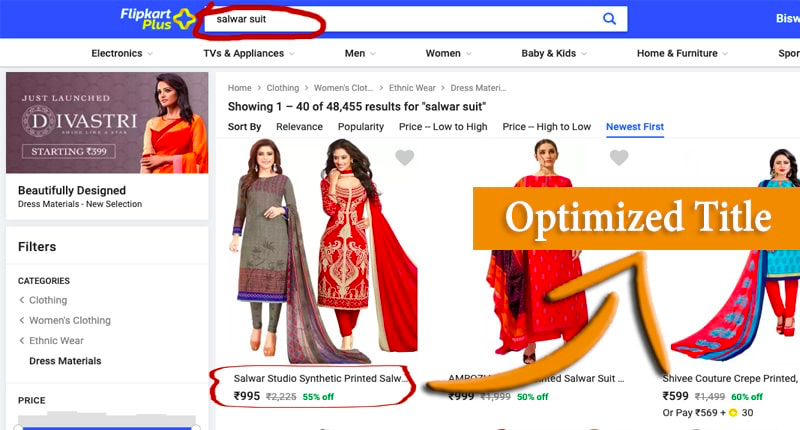
Optimized Product Title
Make sure that your brand is well through a proper product title. The title must contain enough details about the product.
If your e-commerce site sells other manufacturer’s products, make sure the brands are credible. Looking at well-known brands assures people that your landing page is safe and trustworthy selling genuine products.
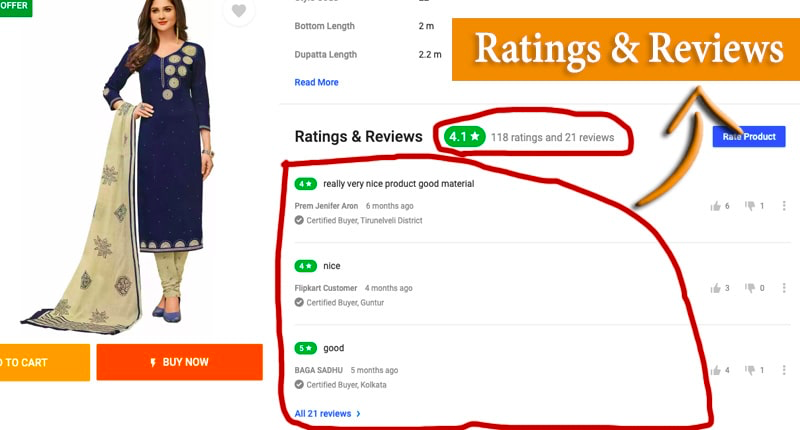
Reviews & Ratings
Make sure that your products are linked to positive reviews with a consistent amount of users to add to your credibility. For example, a newly launched page having over 100 testimonials on day one comes off a super shady and will be tagged unreliable by the visitors. Add incentives for your users to leave a review or feedback once they receive their products to increase the number of reviews.
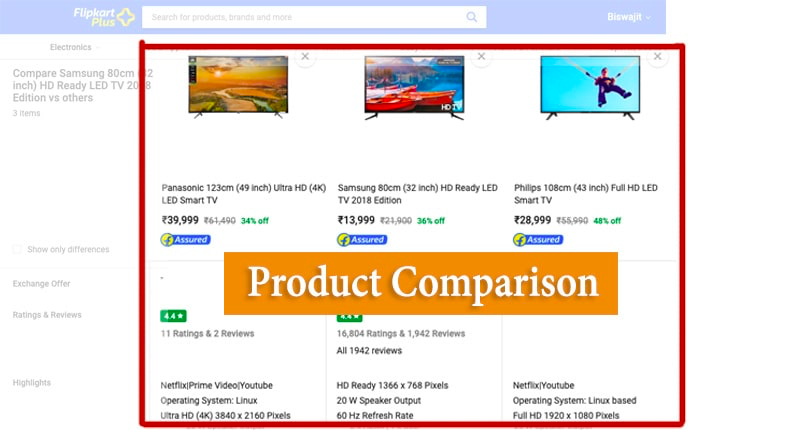
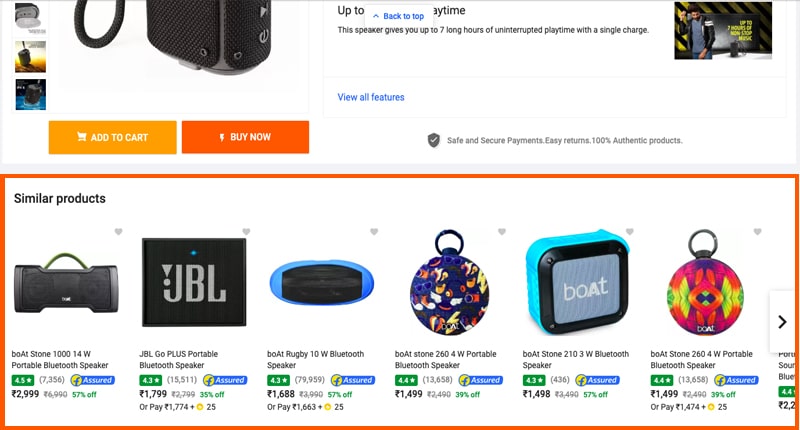
Product Comparison
By giving the users a table of similar products where the specifications and technical details are compared along with the price, you help the customer make a better judgment on which product suits their needs the most and which is the best option given in the same budget.
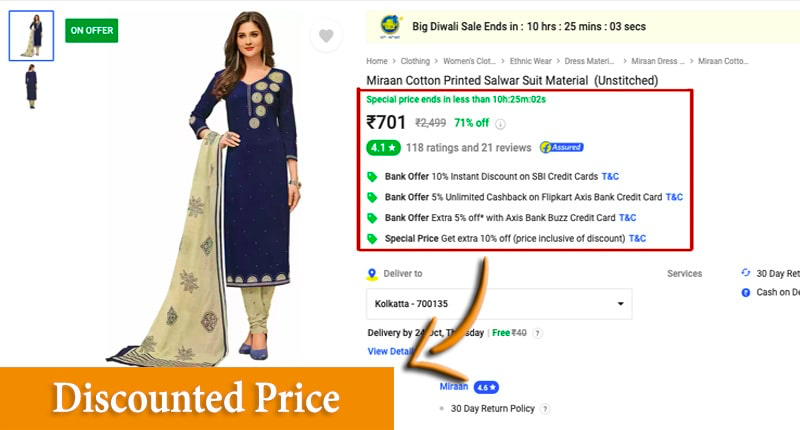
Discounts
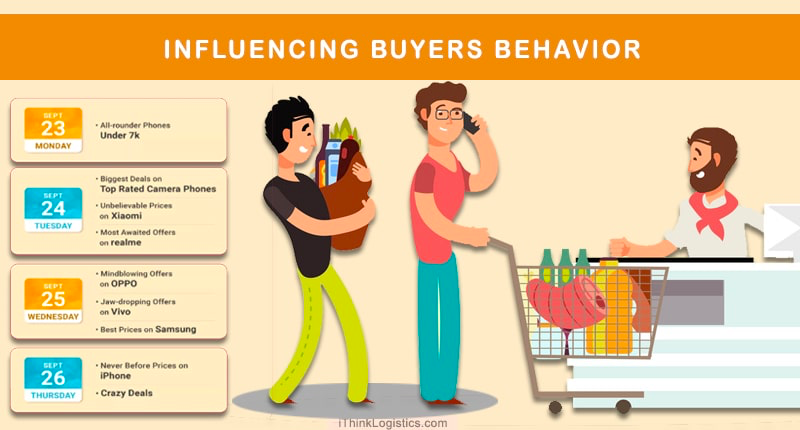
Providing discounts on your products is a sure shot way to draw in an audience to sell your products to. By declaring sale days, hourly discount offers and deals, you will receive the right traffic to your site. For reference, visit the most popular e-commerce stores such as Bewakoof.com, Flipkart and so on.
Many of them have deals of the day about one product at a great offer price, which is enough to make a good sale for those 24 hours.
Discounts based on PIN codes, time-bound offers, limited period offers are few more examples to mention.
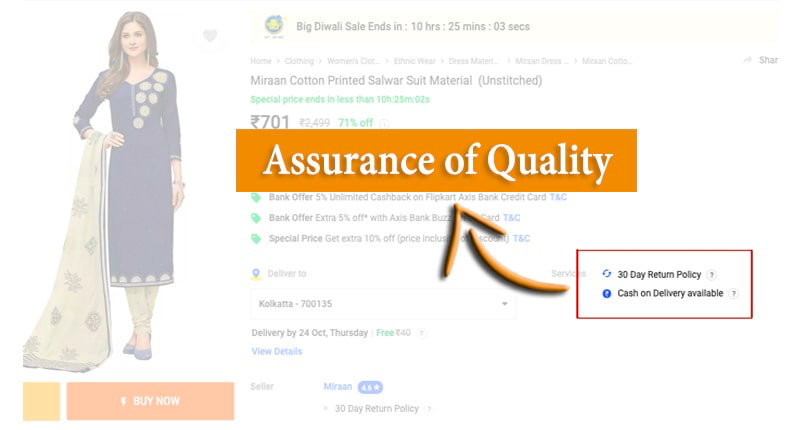
Assurance
By giving quality assurance to your user, you can convince them that the products you sell are absolutely genuine. Displaying the certificate of authenticity of the brand in the product photographs slide will boost their confidence in you and the product too.
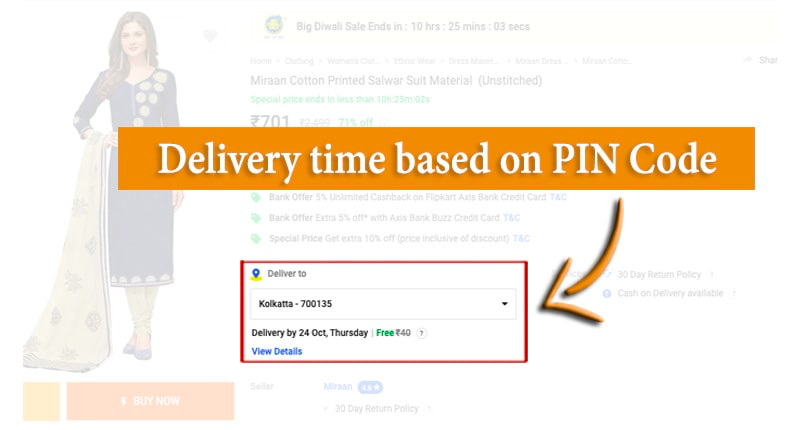
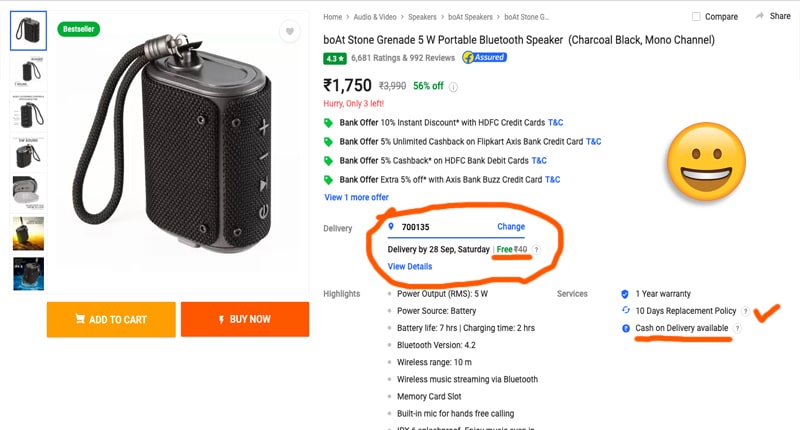
Delivery Time Based On PIN Code
Providing the user with the duration taken for the product to be delivered to their location using the PIN code will reinforce trust rather than giving vague information about standard delivery.
Name the types of delivery available and the time is taken to reach the product according to a location saves the customer’s time and removes the factor of uncertainty.
Mention undeliverable locations as per the PIN codes to save the users the pain of going through all the form filling only to find out the product is unavailable for delivery in their region.
Discount As Per Bank Accounts, Mode of Payment And Cards
Discounts based on the bank account, payment modes like Paytm or UPI, and credit/debit cards the users have a huge impact on sales. This acts as an additional motivation for the users to buy more.
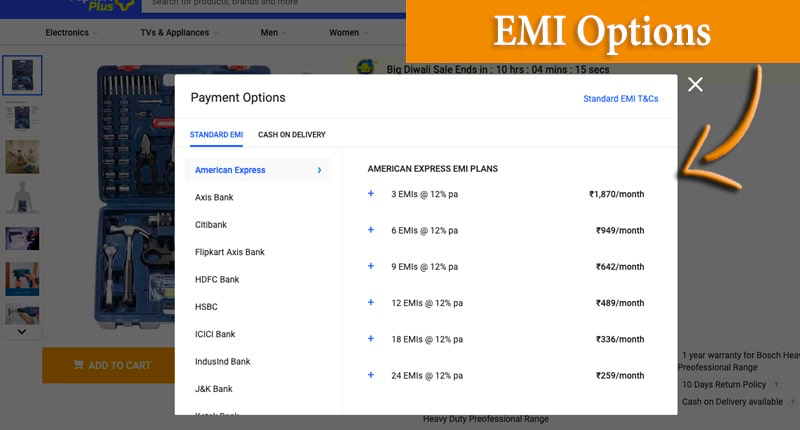
EMI Options
If available, mention the various EMI payment options on your e-commerce site. These days, credit purchases are in vogue and the working class indulges in buying products to pay for it later. An EMI scheme puts you at an advantage with the interest they pay on the part payments made.
If you have a 0 interest EMI available, you earn more customers who will buy from you since you offer this payment option without strings attached.
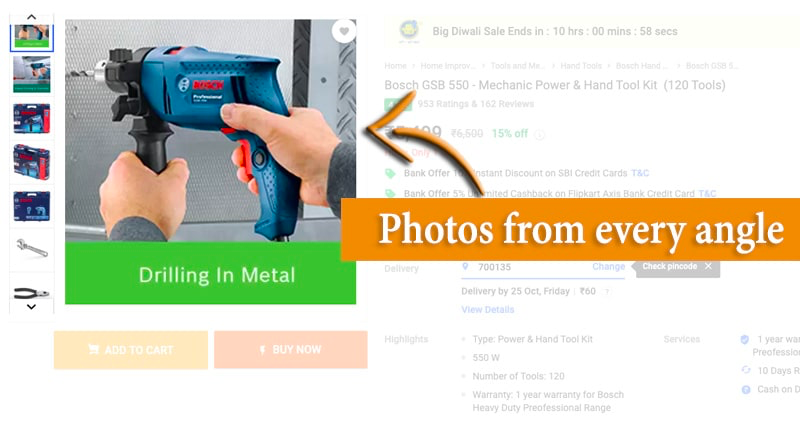
Clear Pictures Of The Product Taken From Different Angles
While attaching product photographs, make sure that your pictures cover every element of your product. Cover the highlights and best side to your products by putting them in the current background and theme.
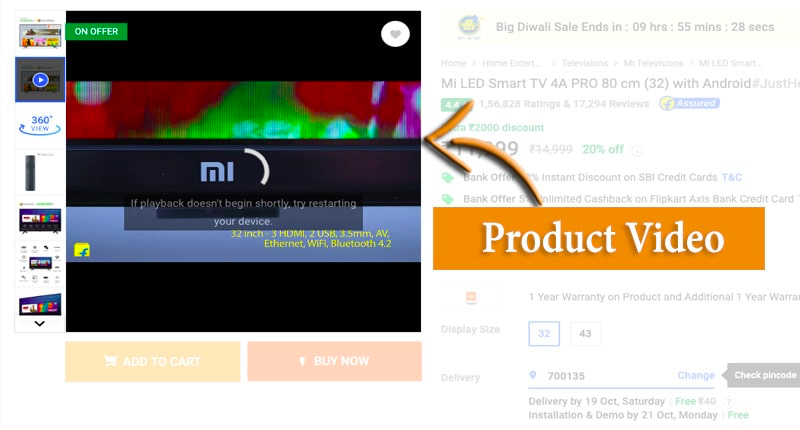
Try To Shoot A Video To Explain A Demo
Having demo videos of the product along with the photographs is a huge plus point. Since the customer can’t touch, feel and try the product, it is assuring to see pictures. But what is more effective than enhanced pictures? A model walking down in your clothes proving it looks just as good as the photographs. Demo videos also give the users an insight into the fitting, realistic appearance and quality of the product.
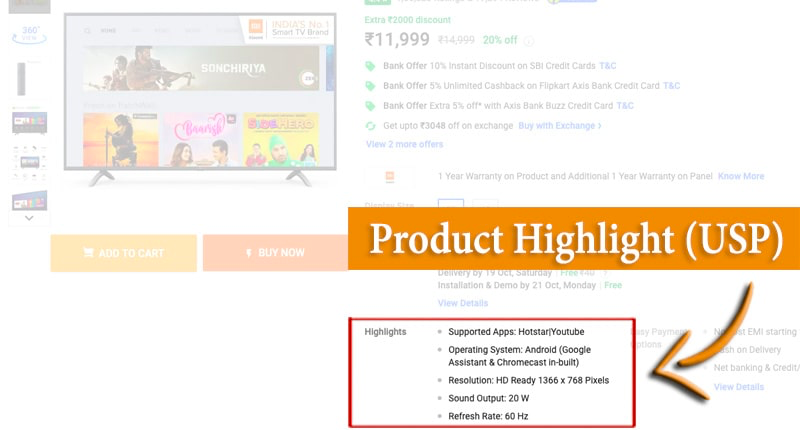
Proper Product Highlight (USP)
Use the right words to shed light on your product’s USP. Why should the customer but your product among so many competitors? What does your product have different from competitive brands?
Cancellation And Refund (If Available)
Making it known on the product landing page or under each product whether an item is applicable for cancellations and refunds, to has the effect of building trust in your site visitor.
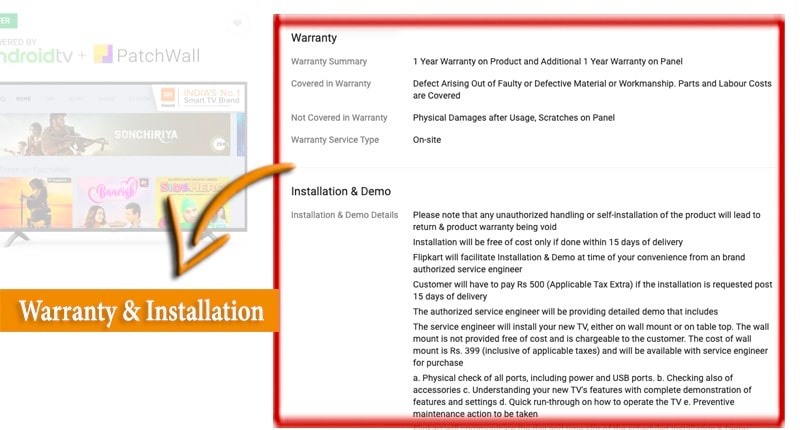
Warranty Of That Product (If Available)
Provide the right details about a product being available for repairs or replacement if it has a warranty attached to it. Make sure you mention all the details necessary, such as keeping the original box and accessories/manuals to avail of a warranty replacement or repair.
Perfect Product Description
Including the best features about a product in an easily understandable language, but with finesse acts as the salesperson of your product. Low-end range products won’t need a description as elaborate as the premium quality products. Make sure that the worth of the premium products is emphasized to make the users realize why exactly it is a top of the line item.
Include Pictures With Individual Features
While taking product pictures, make sure you have covered the individual features and specs of the product rather than simply covering the product aesthetics.
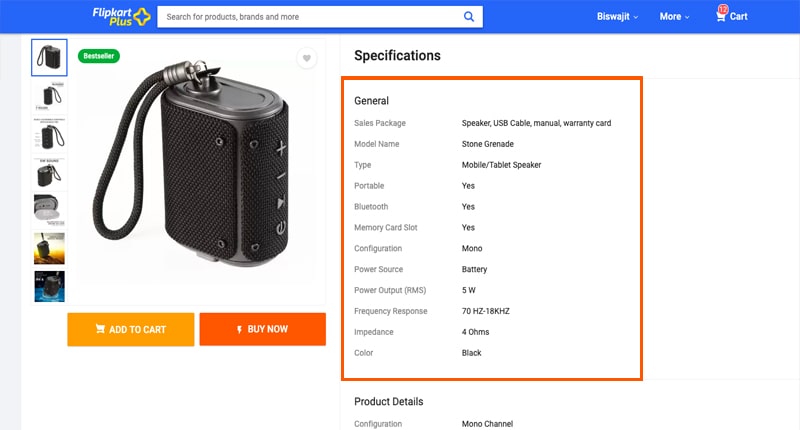
Product Specifications
Apart from the attractive and enticing product description, there is a separate section called product specifications that are meant to give all the technical details of the said item.
Whether it is for experts to read or for normal users to understand and cross-check, mentioning such specifications helps them compare your product to the competitor’s and make the right call.
Installation Facilities Through Seller Or Your Team
When you sell products that are dismantled or electronic, providing an installation team makes your site more attractive to the visitors. This shows them that your e-commerce page is a one-stop purchase place where they don’t have to worry about installing their 5 door wardrobe once the parts are delivered.
Product Demo Post Installation
When your products are complicated to use, it is good to give the users a product demo to help them learn the ropes of usage post-installation, if applicable. It is your responsibility as an e-commerce site is to enhance ease of use and provide convenience to the customer.
Sending a demo video or letting the installation team conduct a demo will boost your image and trustworthiness a few levels up.
Manufacturer Details
Big brands are renowned and don’t need to be verified by customers, but when it comes to you selling the products of new manufacturers and brands, it is important to display the full details of such a company. Earning the trust of a user needs the availability of as much information as possible. Transparency in displaying the brand’s certifications and authenticity will help the customer trust you more.
After Sales Service
A successful purchase followed by the best after-sales experience for the user is a complete win for you. Mention the kinds of after-sales services you provide on your product page to ensure users understand you genuinely care for their purchases.
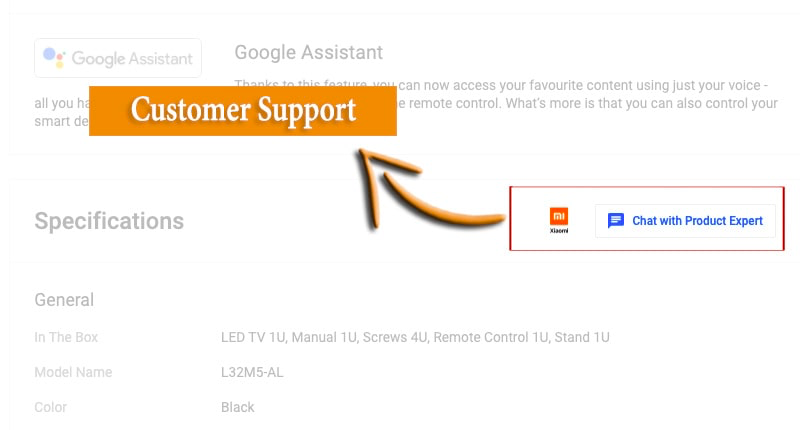
Customer Support
Providing customer support in the form of Chatbots and FAQs among the email and calling systems will give the customer a better understanding of your page quality, distinguishing it from the several e-commerce brands that abandon their users once a sale has been made.
Conclusion
Ultimately, what works the best is how well you execute the above tips and strategies to turn your product page into a highly optimized landing page. Focus on creating a balance among all the factors and slowly, you shall see an improvement in your conversion rates, sales, and lesser abandoned carts.
Let me bring you to the world of e-commerce business owners. Forget about hiring lawyers and raising your initial costs. What if I told you that you can form the best shipping policies for your e-commerce business, all on your own?
It’s not exactly rocket science, for one. Today, I’ll let you in on the best and most effective shipping policies that are obvious, but no e-commerce owner will tell you about.
Once you’re through the process of determining your entire process of finding your shipping carriers, deciding costs and other aspects, it’s time to get technical with the dirty details of shipping.
When things don’t go as expected, what would you like to bank on to relieve yourself of maximum liability while keeping the trust of your customer AND providing excellent services, all at the same time?
Sounds pretty, complicated, doesn’t it? Don’t worry, that’s why you have shipping policies. They cover both you and your client from unnecessary grief and inconvenience, be it the process of shipping, payments, or returns and so on.
All you have to do is keep them short and sweet for greater clarity.
Bringing clarity in communication with your customers give you the following advantages:
Reinforces trust and good faith
Increases sales
Lesser clients abandoning their shopping carts
How To Go About Policy Making?
All you have to do is think like an e-commerce businessperson trying to protect his interests. What would you like to safeguard yourself against? Where would you like to avoid legal conflict with the customer?
Similarly, step into the role of your customers. What would you like to know before, during and after ordering your product? What questions would you like to be answered?
Apart from these methods, you can also conduct thorough research of your competitor’s policies or those of famous e-commerce websites. You may be able to get an excellent overall idea of how to formulate your policy structure and framework.
Many e-commerce company owners combine their Policy page with their terms and conditions.
You could do the same, or hold two different sections, as per your taste.
The 30 most important Shipping Policies
The policies for your reference below may look basic, but are the most integral ones to save you from unnecessary amendments once you learn the hard way: through loopholes you missed.
Read these policies and what details they need to include. Since no two companies or businesses are alike, feel free to improvise and tweak them into what works for you best!
Shipping Options
What kinds of shipping would your client be able to avail? Do you offer:
One day shipping
Two-days shipping
Overnight/Express shipping
International shipping
Standard shipping (4-7 days, for example.)
Shipping Costs
Pricing your shipping charges is also important for effective sales. Questions to ask yourself.
Whether you charge for standard delivery or the other kinds of delivery
How you price your shipping based on locations and area codes
Free Shipping
If you offer free shipping to increase your turnover and sales conversions, this is a good time to mention it. Feel free to include:
What qualifies for Free Shipping
If there is a minimum amount of sales to avail free shipping
Under what conditions are the Free Shipping not available for
The time taken to deliver a freely shipped product
Free Shipping For Premium Members
To increase more subscribers to your e-commerce site and business, you can offer memberships that offer perks and benefits such as free shipping. Popular e-commerce businesses recover the costs of the freely shipped goods through the membership fees collected for a time period, be it monthly, quarterly, half-yearly or yearly.
Shipping Insurance
Let the customer know whether their products are insured on your behalf or not, or whether the costs of shipping insurance is included in the final cart price to be paid by the customer. Shipping insurance is very helpful especially in the case of international shipping, high-value and fragile goods and products. This way the both of you are covered even if the transportation goes south.
Overseas Shipping
Overseas shipping involves the payment of duties and taxes according to the tariffs depending from country to country. You need to mention whether the customs duty and shipping insurance will be added to the overall charge of the customer’s order. Also, give them a detailed break-up of the charges per country to refer to.
Payments Policy
Your payments policy will save your life from tragic events that could be avoided if you didn’t take our advice into account. Money is a fragile issue to the customers, so if they think that they’re being cheated or ripped off, they’ll drop out of your cart like dead flies.
The key is total transparency and no hidden costs. Mentioning the modes of payment you accept and on what conditions are a must.
Cash on Delivery
Cash on delivery is an attractive feature many customers seek. While you try to maximize order confirmations, keep in mind to mention these:
Card on Delivery
Which orders qualify for Cash on Delivery
If there is a minimum amount fixed for Cash on Delivery items
If there is a maximum amount ceiling for Cash on Delivery items
Cash on Delivery charges for products under the minimum amount (handling charges)
If you accept debit and credit cards on delivery, make sure you mention:
The terms of payment
Minimum amount qualifying for card on payment options
If there is a maximum transaction amount limit for card on delivery products
Whether their card details are saved or not, and how they are safe from misuse
Online Banking
Online banking is the most convenient way to make your client pay upfront rather than delay your cash conversion cycle. Things to be discussed are:
The payment gateway used to reassure customers of their security concerns
Mention the OTP and encryption systems you have in place for secure payments.
Credit/Debit Cards
Payment through credit and debit cards for e-commerce can be a good thing, considering that you get paid upfront. The details you will cover here are:
Saving card details with or without consent
Maintaining the card owner’s security and protecting their card details
Encryption during payments, if any.
UPI
UPI is the latest and most convenient form of payments for both the customer and you as an e-commerce business owner. With instant payments at the touch of a button, lives were made easier.
Payment Mode Incentives
Instant discounts on the use of a particular mode of payment encourage instant payment rather than Cash on Delivery or Card on delivery to improve cash inflow cycles. You can mention:
Offers that give an instant discount on the full cart amount once the payment option is selected
Instant refund back into accounts
Cashback incentives and conditions for the same
Payment Failure Through Gateway
In case the payment fails somewhere between the gateway and the amount is deducted from your customer’s account, ease their panic and mention how the entry will be reversed. You can mention the amount being ‘Returned To Source Within 4-7 Working Days’, and so on after checking with your gateway policies.
Damaged Products Received
Waiting for a long time and receiving a damaged product is an extremely disappointing experience. Make sure that you mention how you replace damaged products received by the customer. Include points such as:
Pick-up of the damaged product if you offer that facility
How the owner can send you the product back, through affiliates or other services
How you replace the products and refund part/whole of the shipping expenses paid by the customer to send back the product.
Replacement Policy
Touch base with:
Products that come with a replacement policy ( bad fit, size issues, damages, change in color, style, etc.)
Pick-up of the damaged product if you offer that facility
How the owner can send you the product back, through affiliates or other services
How you replace the products and refund part/whole of the shipping expenses paid by the customer to send back the product.
Which items do not qualify for replacement (fragrances, personal products and products with hygiene contamination issues once opened)
Replacement Allowance
The return allowance clause consists of a time frame allowed to replace and exchange a product due to whatever reason, or as entered in the customer form.
10 Days Replacement: In case of products that are eligible for replacement a time window such as 10 days to file for a replacement.
No Replacement: Mention products that are not covered under the replacement policy.
Return Policy
In case the customer is not satisfied with the product and doesn’t want a replacement, make sure you state clearly the procedure to make sure an item received for replacement qualifies for an exchange.
Keeping the product intact with tags and original packaging
A quality check
Refund Policy
What are your refund methods and conditions in case of a return or replacement?
Checking the quality of the goods for approval of the refund
Whether the amount is returned to its source of payment or e-commerce account wallet
What charges are non-refundable (taxes and duties paid)
Gift cards
Gift cards to your e-commerce site can be conditional or unconditional. The policy can cover points such as:
Products that one can buy using the gift card.
Clubbing the gift card with another mode of payment in case of a cart exceeding the gift card amount.
Whether the gift card can be used for multiple orders or single-use only.
The validity of gift cards (1 year, 2 years, or so on)
Wallet Policy
Your customer’s account wallet policy may address the following:
Wallet balance may or may not be combined with COD
Cashbacks or refunds received in wallets
The validity of the cashback amount in the wallet
How to recharge an e-commerce wallet
Coupons Policy
Coupons for discounts and offers on your products encourage customers to buy more of your products at a single time. The points you can put into the policy are:
Coupons based on specific products
Categories applicable for coupon discounts or offers
Reward Shipping
Reward shipping is a great way to return the loyalty of a customer and milestones they crossed with you. When you give reward shipping to a customer, mention the following in the policy:
Discount on shipping charges as a reward, or
Free shipping as a reward
Who is eligible for reward shipping
Share and Earn
To increase the visitors and customers to your e-commerce site, you can encourage your current customers to share your details to invite other friends of their through referral programs. In the policy mention:
How referral points are converted into wallet cash
How one can use such referral points
Where reward points cannot be used
If such points can be converted to cash
If such points have an expiry date
Delivery Time Taken
A policy that mentions the time for each type of delivery and covers for what happens if a delay occurs, like follow up services for the customer to avail.
Failure of Delivery
After waiting a certain time, maybe the product got lost in transit or took more than a reasonable time to be delivered. At such times you can consider the product delivery failed. What refund policy do you adopt? Do you give any extra compensation for your failure?
Is My Location Deliverable
Finding out that a customer’s area of residence is unserviceable after filling the cart and at the last step is an inconvenience. Make sure you have an option where the customer can check for deliverable areas by checking their area codes.
Customer Support and Grievance
Mention how long your company takes to address the grievance of your customer. For instance, you could state that you take 24 hours to respond, 48 hours to resolve a grievance. If you have a ticket system, mention the details of it too.
Delivery Partners
Mention the affiliates and delivery partners that your e-commerce business uses to ship products.
Delivery Restrictions
Include the codes and names of areas, sates, or countries that you restrict product deliveries to, due to government regulations or any other reasons.
Conclusion
Making effective shipping policies for an e-commerce company is no joke. Come to think of it, the legal significance is just as important as providing your customer with the right information for them to understand your company completely.
The list of policies above may seem like common knowledge but the difference they make by being written in print can save you a lot of money; money you could lose due to leaving out loopholes.
The key is to be as specific as possible, avoid vagueness and ambiguity. What any other e-commerce business owner will not tell you is how easy it is to frame these policies; just ask the right questions by stepping into the customer’s shoes. What would you want to know or be made aware of?
Let us know how this blog helped you. We’d love to know if you could successfully apply the above policies for your e-commerce business or if you came up with new policy ideas of your own. Whatever they may be, let us know in the comments below!
The role of the Indian logistics industry in the Indian economy is quickly gaining more significance than the past couple of decades. Today, the Indian logistics industry makes up about 10% of the industry. With the current contribution it has to the e-commerce industry, logistics companies help with storage and package and time-bound delivery of products, right at the customer’s doorstep. One of the biggest challenges in logistics is managing supply chain disruptions while maintaining timely deliveries.
Even with the landmarks achieved, there are still quite a few snags that the logistics companies in India are familiar with. This blog will help you to understand the problems faced by logistics companies India in an all-encompassing light.
Logistics Sector In India: Challenges In Logistics Industry
Challenges in the logistics industry have grown tenfold in the past few years. The logistics industry in India can easily be called the backbone of any sector’s supply chain. Be it the healthcare, hospitality or manufacturing industries, logistics companies play one of the most important roles of connecting the organizations to their clients.
An hours-worth delay in reaching the right medicine to the facility may lead to dangerous consequences, while failing to deliver high-value goods as per the client’s schedule may cause a loss of Lakhs of Rupees to both parties.
When we speak of logistics, everything is time-bound. Each process depends on the one preceding it and a minor delay on one stage causes a magnified ripple effect on all the other stages. By the time we reach the stage of delivery, there ends up being a delay of days because of a few hours of down-time.
Every logistics organization wants to achieve the same target: reducing the time for a supply cycle by streamlining processes efficiently. However, this does not always go according to the book and is to be expected.
From minor set-backs to acts of God delaying the entire procedure, logistics revolves around one concept, which is ETA.
Here is where we have it wrong. These challenges are merely a symptomatic mirror of the core issue, which is idealizing an ETA. When we fail to look at the big picture, we also fail to treat the root cause of the issues faced by the biggest logistics companies in India.
Today, we’re going to take a nice hard look at what we think the challenges in logistics are versus what the real problem is.
Here are a few of the perceived problems faced by logistics companies in India:
High Order Intensity Ratio
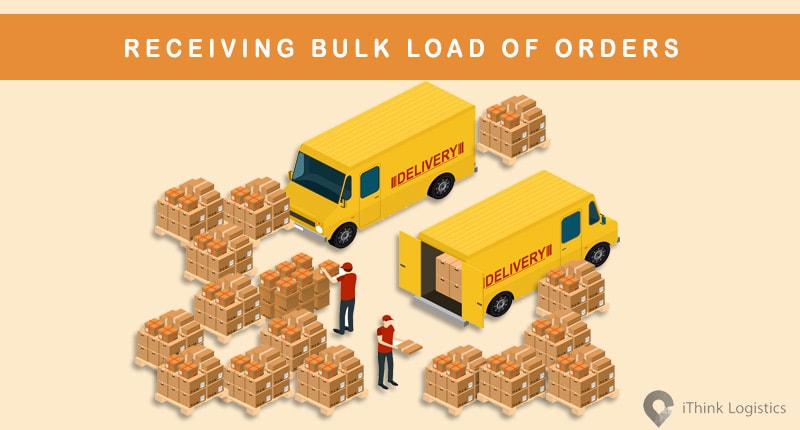
Every Indian Logistics Company has faced the issue of receiving a bulk load of orders that would break their back while trying to keep up with the supply-chain timeline. Considering the high volume of orders received, it gets difficult to prioritize orders and deliveries while juggling too much in too little time. The challenges in logistics also pop up when the company has limited resources, thanks to the difficult payment cycles. Depending on the season to season, festival time is the best example of mass delays in delivery schedules and an overall failure to the ETA mechanism.
Transportation Issues In Logistics
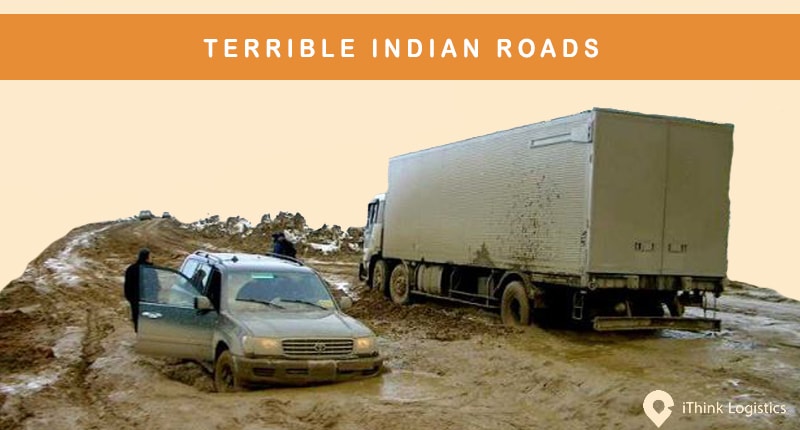
Even when the packaging and drops are conducted on schedule, the transportation industry is often unreliable. India is a huge country that covers a lot of different terrains subject to different conditions. The roads are terrible at internal parts of the country while the Ghats are prone to accidents and landslides. Traffic congestions, multiple checkpoints, and toll stations are also issues where Logistics companies lose out on a lot of time and money. All in all, even after taking extra delays into account, there is scope for even further delay.
Rail Tariff Issues In Logistics
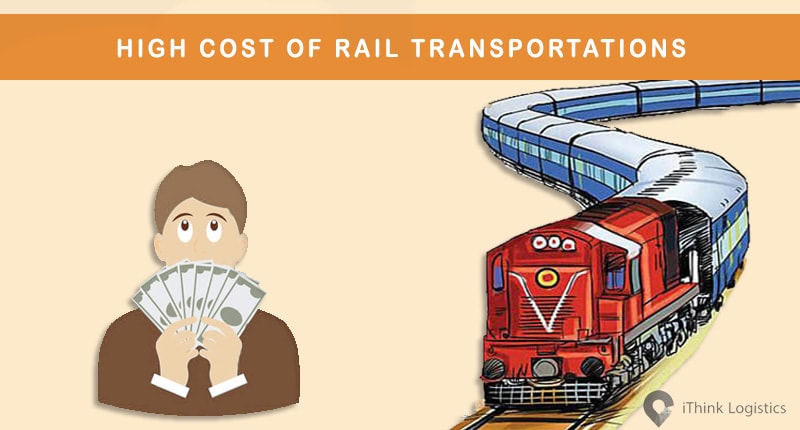
The high costs of rail transportations and the hike in goods transportation tariff don’t make a positive impact on time-bound delivery since the Indian railways, too, suffer from a congested network. Seasonal issues in logistics such as floods during the monsoons lead to several services being canceled every hour and causing a huge loss to biggest Logistics companies in India.
Logistical Problems in Port And Shipping
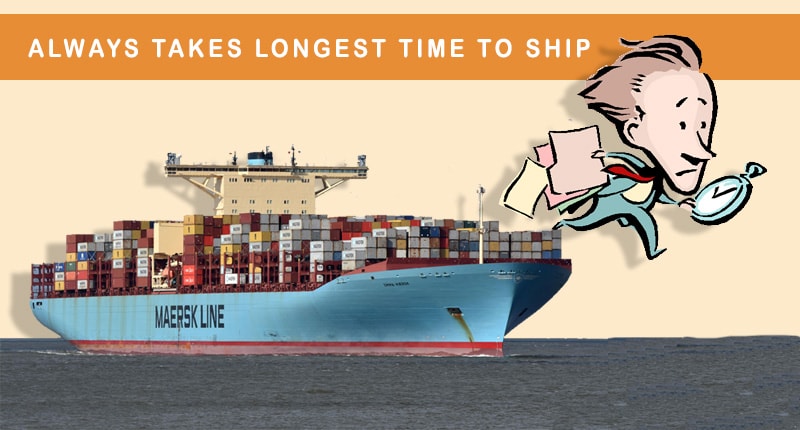
Shipping goods from point A to B takes the longest time among all of the possible modes of transport. If the seas are kind, the ship may dock on time at the port. Unfortunately, understaffed ports, overstuffed berths and delayed evacuation of cargo cause the logistics companies to suffer without a fault. Coastal ports have an infrastructural problem where large vessels fail to dock due to lack of depth. Hence, even with a coastal port at a shorter distance, these companies have to choose a port or route farther away due to their cargo being shipped on larger vessels.
Logistical Challenges Due To Lack Of Skilled And Specialist Personnel
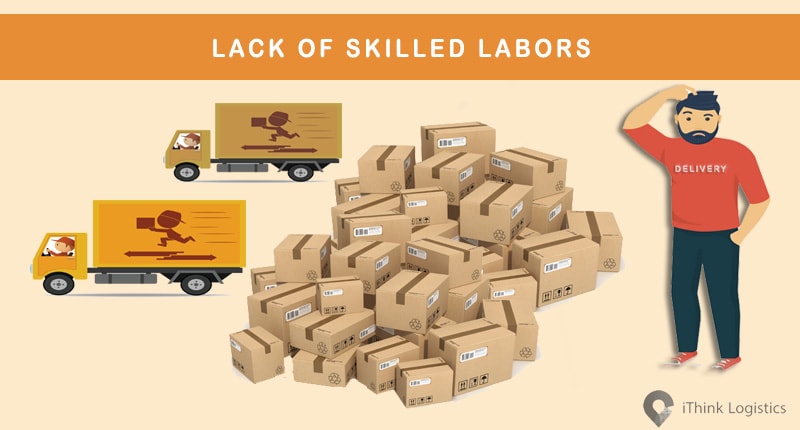
There is a serious lack of skilled personnel and specialists in the Logistics sector in India. The laborers are under-skilled, overworked and lack the desired skill-set to make the process more efficient. To save on capital, companies also compromise on the training of their logistics staff and also their payments. Eventually, these companies face problems like high labor turnover, increased training costs and under-performing human resources.
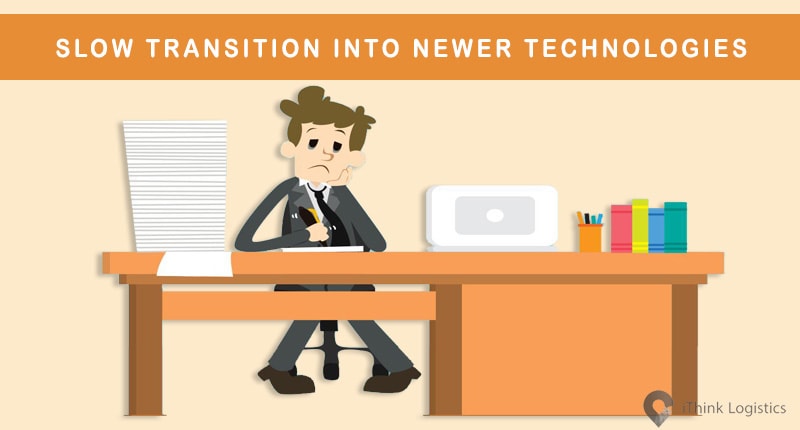
Logistical Problems Due to Slow Transition Into Newer Technologies
When we compare the logistics and supply-chains of more efficient countries like Japan, their work models, and strategies revolve around adapting to the latest technologies to achieve maximum productivity. The biggest logistics companies in India fail to reach that potential when they don’t upgrade their technology with changing times. It might appear as if they’re saving on costs, but this approach causes more damage in the long run. Transitioning into new technology takes up unavoidable costs such as :
Set-up and installation costs
Bringing foreign trainers to train the workforce
Time is taken to learn and integrate the process to actual productivity.
A company needs to keep in sight the big picture when incurring such expenditures. Sometimes the returns may not recover the full value of a big investment like technological upgrades, which may deter many logistic companies in India to push for this transition.
Logistical Problems Due to Warehousing And Taxation Discrepancies
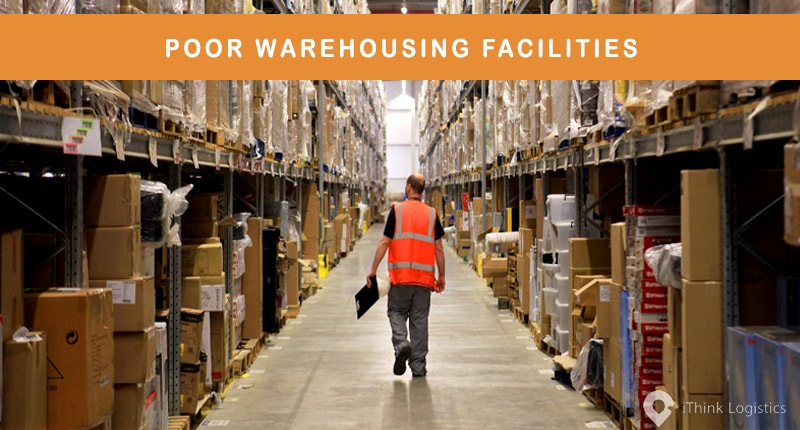
Everyone is aware of the sad sight of poor warehousing facilities in India that lead to Logistical Problems. Several cargos incur a lot of damage because of pest-infested warehouses, lack of storage space, damage due to leakages, and more. This is seen predominantly in low margin goods and cargo. The Governments use the biggest warehouses to store grains, which leaves very little space for cargo storage.
The layered and multiple tax structures also cause a loss of time to logistics companies on the road.
Challenges in Logistics Due To Competition With Global Giants
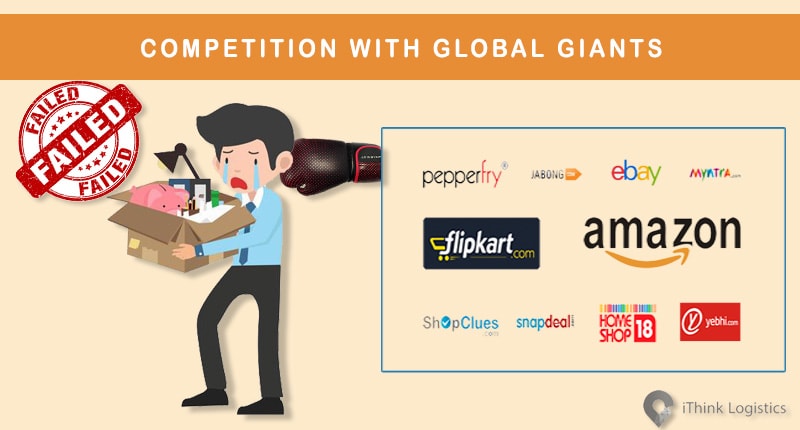
Being an Indian logistics company means little to the clients and end customers today, as global giants play in the same field with better services. By providing short supply cycles at competitive prices, the Indian logistics companies face major logistical challenges. With schemes such as free one day deliveries, these international organizations monopolize the attention and loyalty of customers while the companies in India can’t keep up with the costs of providing such services.
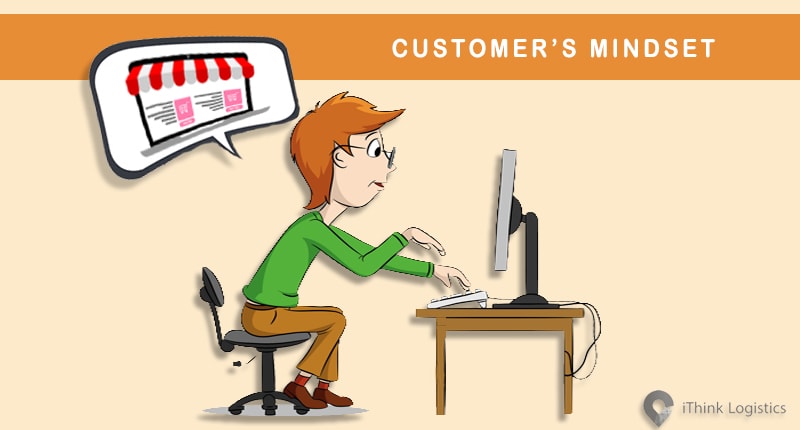
Logistical Challenges Due To Customer’s Mindsets
With the passage of time and globalization, the customer experience has changed manifold. The industry competition which is meant to benefit them creates more demands from the customers. Such demands increase because the global logistics companies can deliver on their promises. Customers’ unwillingness to pay an extra fee for anything less than 2 days delivery time causes a lack of funds and source for the Indian logistics companies to be able to formulate better cycles.
Also, the overall expectations of customers increases when e-commerce organizations like Amazon have internalized and streamlined their entire logistics process.
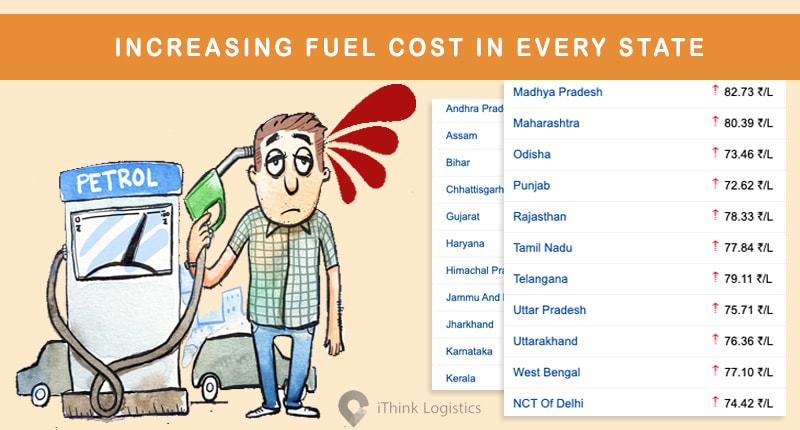
Logistical Challenges Due To Ever Increasing Fuel Costs
With the change in the prices of fuel, the biggest logistical challenges are transportation costs. Increasing fuel costs cause an increase in the surcharge to the freight tariffs. This, in turn, decreases the profit to be earned by the company, maybe even resulting in a loss in extreme cases.
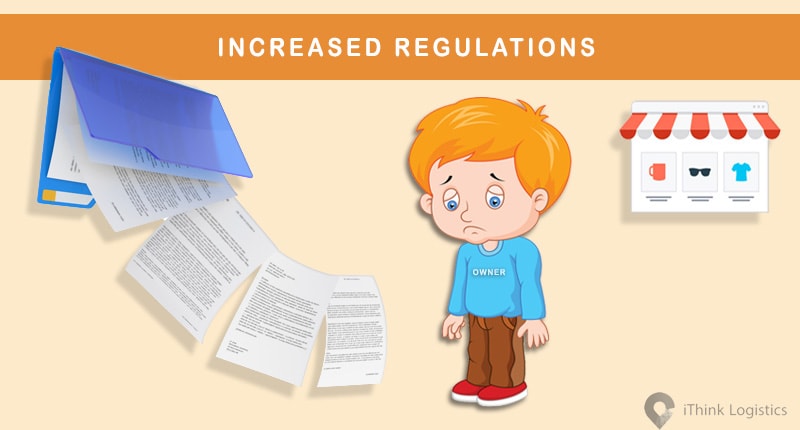
Challenges In Logistics Due To Government Policies And Bottlenecks
With compliance mandates being tightened even more, the biggest logistics companies in India face the consequence of bottlenecks with increased regulations.
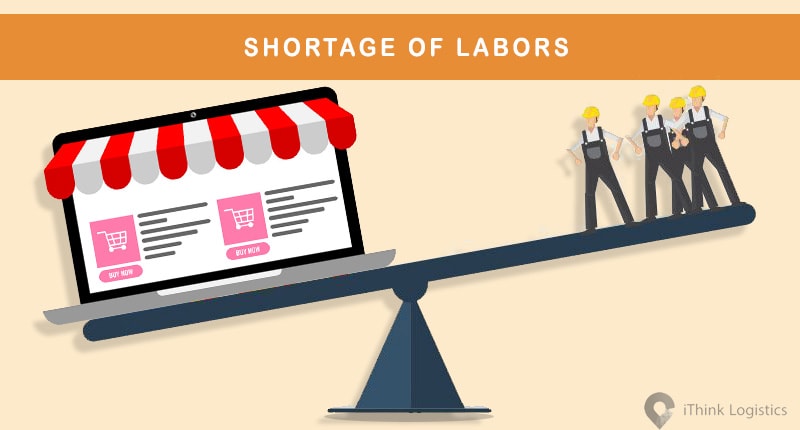
Challenges In Logistics Due To Shortage Of Drivers And Delivery Staff
Every Logistics organization in India faces the challenges in logistics i.e employing and retaining their delivery staff. The industry is subject to a shortage of delivery personnel, hence the workloads of multiple time-bound deliveries are placed on the current workers, leaving them burnt out and discouraged with the pressure.
All the above logistics problems in India more or less boil down to the challenges described above. But pause for a second and imagine that it is only the face of the entire issue. There is, in fact, a bigger picture, which the logistics companies and everyone else fail to notice because they’re too busy treating symptoms rather than the root cause.
In the case of problems faced by logistics companies in India, we can say that the root cause is how heavily we try to fix a precise ETA by remedying the said challenges.
Challenges in the logistics industry such as policy changes, roads being damaged, and changing fuel costs are going to be a perpetual occurrence in the operational lifetime of an Indian logistics company. Blaming factors like these is comparable to blaming the rain for getting your hair wet. When it rains, we carry an umbrella.
So to set an accurate ETA and to maintain the supply cycle on the premeditated time (not a minute more, not a minute less), one has to take into consideration how to keep their word of a delivery time at all costs.
What Can Be Done To Tackle Such Challenges in Logistics For Efficient Functioning?
When companies take complete control of their supply chain, it leaves a very marginal room for error or excuses. The following points may help you understand how to formulate and execute better strategies to integrate with the current logistics structure:
Keep your processes flexible for greater control
When you create fixed deadlines, you put yourself, the staff and the service provider under a lot of pressure. This may hinder the workflow despite it being a completely possible task. Always set room for delays while calculating transportation, docking and unloading time frames.
Understand when obsolete technology is causing you more harm than gains
You may be saving on some bucks right now, but the long term effect would leave you with a big hole in your pocket. The farther away your equipment and systems are away from the latest technology, the more expensive an upgrade and training is.
Prepare for optimal downtime by managing your processes effectively
Create an optimal space for pickup, packaging and all the other processes till the delivery by not wasting time on hand. One may think that starting early may be beneficial, while it could be time wasted since the manufacturer doesn’t need you to reach before time.
Take Into Account Transportation Delays With Satellite Navigation
SatNav has made life easier for everyone by showing you in real-time the duration taken to cover a certain distance. The quality of the terrain and roads are reported, so you can mark them on your route. You can even use their logs to check for changes and delays caused due to traffic, accidents, breakdown and so on. If you plan the process accurately, there should be very little room for an erroneous calculation of the time taken.
Optimize The Use Of Your Working Capital and Cash Cycles
When it comes to the apt usage of your working capital for your processes, saving on processes is important as well. Investing your resources in things that make your logistics company more efficient while maintaining quality is very important. For example, there can be better ways to save on your capital rather than reducing the labour wages paid per hour. While this may seem to save money, you’ll be spending more of it on training costs for the replacements of the seasoned employees that turned over.
In conclusion, it is safe to say that the intricacies of logistics businesses in India are subject to external and internal challenges in the logistics industry. By careful management, planning and realistic goal-setting, problems faced by logistics companies can be reduced. They can be overcome to be able to thrive, succeed and compete in the Indian economy with their international counterparts.
Remember when only local stores and restaurants offered ‘home delivery’? For everything else you had to visit the store itself. But today, millions are using e-commerce stores to buy their day-to-day products. Ever since ecommerce adopted the concept of ‘home delivery,’ it has grown at a phenomenal rate. All this became possible due to one major factor – Logistics Management.
Do you know how big ecommerce is? The estimation of the Global eCommerce sales was $5.8 trillion in 2023. It may surpass $8 trillion by 2027 (Source).
Logistics management has been bridging the gap between the dealers and customers.
So, what is Logistics Management?
Logistics management involves organizing, executing, and overseeing the movement and storage of products. Besides goods, it includes services and information, too.
Logistics management involves several activities:
Sourcing
Planning
Tracking
Warehousing
Transportation
Inventory Control
Customer Service
Users ordering the product is only the first step. After the order placement, there are several steps. These include packaging, handling, shipping, and finally, ecommerce delivery of the product.
A problem can arise during any of these steps.
Efficient logistics management is vital to tackle these problems.
Let’s have a look at some common ecommerce delivery issues that businesses face.
Five most common ecommerce delivery issues
1. Wrong product delivered
A customer is always happy when the product they order exceeds their expectations. Now imagine if the customer gets a different product altogether!
It often happens that customers receive the wrong product during an ecommerce delivery. Wrong products break the customer’s trust. It may create a negative impression in their mind.
2. Delayed Delivery
Many businesses send orders in bulk to reduce logistics costs. This may lead to delayed deliveries. Also, improper shipping and handling can cause a delay in delivery.
Customers expect their product within 5-7 business days. Due to the delays, customers may lose trust and switch to other sellers.
3. Increasing Return Rates
With increased misdeliveries and delayed deliveries come increased return rates. Ecommerce sellers have to bear the extra expense of picking up a returned product. Excess returns can result in huge losses and a negative reputation with buyers.
4. Negative Reviews
What is the first thing customers check when they get interested in a product? Yes, you’re right – The Reviews. Good reviews are the best marketing tool for any brand.
Customers may or may not trust the sellers, but they trust other customers. Especially their reviews. Which makes it important to have positive reviews.
So, is there a way out?
Of course, there is. Logistics Management is the answer to all the above problems and more!
Logistics management minimizes the above problems with advanced technologies like automation and AI. Both these trends are modernizing logistics management and helping ecommerce businesses grow.
Logistics Management Done Right – iThink Logistics
iThink Logistics solves ecommerce delivery problems and assists you with efficient logistics management. We use AI-driven technology to streamline the logistics of ecommerce businesses.
Here’s how iThink Logistics can help you:
Reduced Misdeliveries
Now, stay assured that your customers will get the right product. iThink Logistics has an automated shipping process. We confirm the product and its specifications before it is out for delivery. We do this with the help of dedicated virtual calling software.
Minimized Non-Deliveries and Returns
iThink Logistics has a dedicated NDR team to resolve all the non-delivery issues. The NDR concept is very popular and results in reduced non-delivery rates.
Improved Customer Satisfaction
Ecommerce businesses can track orders in real-time with the help of automation. Offering customer support and updating the customers becomes a piece of cake with the help of AI.
Conclusion
When it comes to ecommerce, a good reputation is dependent on positive customer reviews. Successful ecommerce delivery guarantees customer satisfaction and encourages customers to write positive reviews.
Logistics management is at the core of successful ecommerce delivery and customer satisfaction. But, managing logistics while focusing on manufacturing and marketing is not easy.
The solution? Let a dedicated logistics provider handle it for you! Outsource it to someone who knows the in and out of what is logistics management. Partner with iThink Logistics for efficient and smooth logistics management. Sign up and start shipping today!
Technology is booming, and so is the e-commerce industry. As an e-commerce professional it is important to know that acquiring new customers is not the only way to sustain a business. There are quite an amount of other factors to it.
Even though building a loyal customer might help you stay in the competition for long, but not forever. With the competition increasing every day, it is needless to say that as a business owner you must opt for new strategies to keep your business going.
Therefore along with the growing technology, there are other players that you need to consider as well. One of the major ones is logistics. So here is a detailed blog on how to boost your e-commerce logistics strategy in the years to come. Read on…
Understand the difference finances and costs generated from the shipping as well as the fulfillment
Even though e-commerce has come a long way, but there are still retailers who are looking for new ways to expand their business. In such an event it is crucial to understand and differentiate the cost generated from the e-commerce shipping strategies as well as from the fulfillment.
Over the number of years that passed, it has been proved that customers prefer online shopping more than a physical visit. Hence it is important to address all the logistics drawbacks and work on it. This will also help you determine the various cost involved including shipping and maintenance.
It is also important to consider the fulfillment costs as well. In this way, you will be able to figure out the refund and return rates and make an overall calculation of the expenses. Logistics often face a lot of challenges with warehousing and other technical operations.
By considering the above-mentioned factor you can add a new strategy towards the betterment of the functioning of your logistics.
Use the subscriptions to your advantage
One of the best ways to improve logistics strategy is by using the user subscription to your advantage. People often subscribe to a particular thing, when it is inclined to their advantage. They like receiving a lot of offers and gifts quite often.
So if you want to improve the functioning of your logistics, you must make use of different subscription boxes to intrigue your customers. This will decrease supply chain friction and will help you work better.
You can plan out the number of subscription boxes in advance and coordinate with your logistics company to make a separate space for the extra boxes. In that way, there will no risk of delayed delivery, nor there will be any backorders.
Invest in delivery procedures
E-commerce is a highly competitive market and this competition often forces companies to stretch beyond their boundaries in order to excel in their work and stay in the competition.
As an owner, you must invest a significant amount of time and money in order to deliver the product to your targeted customer. To boost up your e-commerce shipping strategy, speak up with your logistics partner in order to prevent delayed or damaged delivery.
Many similar companies are now emphasizing on autonomous delivery in order to cater to all last minute orders. But it often happens that certain companies can’t afford multiple distribution centers. In such an occasion, the third-party logistics comes to the rescue. They have their establishment in different parts of the country. So you can invest in one particular company, who will take care of your entire delivery process.
Take control of your shipping
In order to establish a strong base in the e-commerce field, you must take control of your e-commerce shipping strategy. Different companies provide one-day or two-day delivery. This makes the customer’s happy and they become willing to order again.
This process is done to create a business barrier and to make customers stick around to a particular service. This is carried out in a company-owned logistics and rarely in a third party logistics.
Understand the customer’s preferences
While being in an e-commerce business it is very important to understand the customer’s choices and preferences. Since e-commerce is an easy option for everyone to get access to things without going somewhere, it is important to keep their choices of goods handy.
More than the delivery timing a customers care about the quality of the product. You can give more offers and discounts on the most visited sections of a customer and retain them through reseller marketing.
Customer’s preference is very important because if a customer loses faith, it becomes very difficult to gain back their trust. So by creating a good product delivery service you can make your customers happy, and grow your business.
Keep everything prepared
Preparation is the key. Talk to your logistics and keep your inventory and warehouse prepared for all types of orders. If your warehouse is unorganized it gets difficult to sort out during delivery. It causes and disappoints your customers.
Whether you are outsourcing or logistics or owning one, you must also keep your logistics updated about everything. Keep it sorted and organized. This will prevent unnecessary confusion and an unexpected disappointment.
How is eCommerce changing logistics?
Over the last few years, e-commerce business has taken up a massive growth speed and are not slowing down. Something that seemed to be unsustainable at some point of time, is now a part of the world largest economic sector. Going alongside, the logistics are also blooming.
Coming to the customer’s point of view, online shopping has created a simple virtual space for every person, where they can get access to anything by sitting at a particular place. Whether it’s from the nearby market, or something from abroad, owning something is not impossible anymore.
The idea was completely unique when launched in the market, and standing in the 21st century we can’t think of a world without e-commerce and logistics. These e-commerce businesses are allowing different logistics to come up with new ideas every day, that is catering to a mutual growth for all.
This blog talks about how different e-commerce is catering to significant growth in the logistics business. Read on…
The betterment of the transportation
With an increase in demand from these e-commerce businesses, different logistics have come up with a lot of advanced transportation facility to deliver products. There are now multiple channels, and no place is impossible to reach.
Right from the order placement until the delivery, these logistics have catered to every requirement and have made transit easy by placing a uniform distribution chain. When an order is placed, these logistics transport the products within short distances as well as long distances.
The orders are split as per the delivery location and sorted to different distribution centers. Then the orders are divided into small quantities and handed to the delivery person.
Source: FlipKart (E-kart) Logistics
These delivery people handle their individual responsibility and deliver products to the doorstep of the people. This has increased efficiency and has also made business easier like never before.
There is no particular distribution model
The growth of e-commerce has made logistics to let go of their fixed distribution model. The process is now a whole lot flexible and is convenient for both the seller as well as the customers.
The delivery timings have reduced to a significant amount and the inventory and warehouse services have enhanced as well. This modern distribution model has also increased transparency and has allowed in establishing a better relationship between the customer and the seller.
Initially, the services were mostly on the favor of the business. But now, it has become an area of mutual benefit. The customers nowadays hold the power to change the way modern retailers work. These logistics made the collaboration of the retailers and the customers much easy.
It has allowed warehouse automation
Different logistics are now making use of artificial intelligence to automate their work process. The warehouses and distribution chains are becoming automated and are reducing human labor. Not only that, but it is also reducing maintenance cost and increasing efficiency.
There are also some logistics who have introduced a virtual calling system, an NDR team to confirm the product specification before it is out for delivery. This AI-driven technology over the past two years has significantly reduced the refund and return rates.
The introduction of custom rules
The introduction of custom rules has helped the logistics business to contribute to a significant portion of the country’s economy. There are two types of customs that were laid out. The DDP and the DAP. DDP stands for Delivery duty paid and the DAP stands for Delivered at Place.
The DDP entitles an e-tailer to pay a certain amount of money to the central government after the work is done. The DAP, on the other hand, entitles the customers to pay the amount which is most likely during the delivery.
The role of the distribution centers have changed
Over the years the distribution centers have also witnessed growth in their role. The area is now much more sorted. The organized work framing has allowed people to concentrate on their work and avoid confusion and errors.
Other than this, they have also modified in terms of reverse logistics handling. The distribution and sorting are much more decent and organized.
The reduced return rates
Probably one of the biggest achievement, the modern-day logistics through their unique methodology have been able to reduce return and refund rates drastically. The way these logistics handles their work ensures a right and safe delivery of the product.
They have implemented a lot of ways to reduce the logistics return of the product and also to handle reverse logistics in a much more efficient way. Logistics is acting as the middleman between the customer and the retailer. Improper management at this point is what creates different blunders. So technology is innovating the way of how the modern-day logistics work and helping different businesses to grow.
What India holds for the future of logistics? Is the logistics business profitable?
India is a country of various culture and religion. India having a population of 1.2 billion people. therefore, it is needless to say that it is a pretty good platform for an e-commerce business to flourish. With technological advancement, e-commerce and logistics have taken a massive leap and has become the backbone of the country.
According to the latest survey, India despite being a third world country, it portraits an average turnover of 38.5 billion dollars a year. This is a huge ratio as per the global competitors are concerned and are likely to cross the USA by 2020. An estimate of 64 billion is what makes it most likely for India to cross America and bag the second position in the e-commerce business.
India has crossed a number of a milestone in providing courier service for online business and is growing every passing day. On average, it has been seen that near about 243 million browses through online sites. These e-commerce logistics providers are constantly working hand in hand to cater to everyone’s need and reduce the culture barrier among people.
The introduction happened back in 2004 when eBay launched itself the first time in India. They started out by partnering with different courier companies like the blue dart and delivered products at people’s doorsteps. After that, various e-commerce stores started coming into the market including Amazon, Myntra, Flipkart, etc.
This was just the beginning and the rest was history. The concept is seen to skyrocket and people were intrigued by the unique idea.
A logistics company is the backbone of the country. Every trade or transport is almost impossible without it. They not only carry out and smooth and cost-effective flow of goods, but also adds significant value towards the country’s economy.
It is a complex bond between technology and service providers. By using up different artificial intelligence-driven methods, these logistics are setting the benchmark in the different business sector.
The industry is showing a good future growth that is coming with a promise of steady improvement. All the service-oriented industries out there, have already pulled up their socks to go beyond the horizon and give birth to a new way of business.
The current scenario
The sector of Logistics in India is comprised of different inbound and outbound segments. It caters to different manufacturing and service supply chains. It has gained much popularity and boost from different business sectors and are effectively competing with other industries.
Every logistics has a set infrastructure, which is sometimes not enough. There are still a few logistics that don’t have a proper infrastructure yet. Lack of enough infrastructure is still keeping a few logistics behind the line.
But they do hold the potential to overcome different disadvantages and provide high-edge competition to several other companies in the industry.
Certain drawbacks faced by logistics in India
Even though logistics sectors gradually coming out of their drawbacks, but there are still certain drawbacks that are yet to overcome. The list is given below.
Poor integration
The poor integration of transport networks is still quite a problem in Indian logistics. The lack of enough truck maintenance leads to poor transport service. This causes a delay in delivery and reduces customer’s trust.
Poor warehouse management
Sometimes poor warehouses manage leads to damage to products. These products finally get thrown away causing a loss for both the logistics and the retailers. Even though the management varies from city to city but this is a serious issue and is affecting the overall logistics network.
There are problems that often arise due to lack of pieces of equipment. There are still few sectors that are not explored yet, and with proper research and development can be overcome.
The solutions to different problems
Different low-cost courier services in India often provide a lot of commitments, which they sometimes fail to deliver. You can overcome these above-mentioned obstacles by taking a few steps. Some of them are as follows.
Building proper infrastructure
By building proper infrastructure, these logistics can bring a significant change in their functioning. Logistics are the backbone of the country. By creating a high-class road network, and organized distribution centers, all the above-mentioned problems can be staved off.
Emphasis on research and development
By doing proper research and development, these logistics can come up with a lot of innovative ideas. By implementing different technology they can reduce all the manual drawback and have smooth logistics functioning.
India’s future in the logistics industry
The domestic courier service in India is moving towards massive growth. They are setting up various infrastructure for better logistics functioning. These logistics are implementing various AI-driven technology and are improving their services to a great extent.
India’s fast-paced economic growth is really showing and the country is soon to surpass America and reach the second position by 2020. With an estimate of 10-15% annual growth, the sector is all set to create a great impact on the country’s economic structure.
Based on the physical constant of quantum physics, the SI unit of weight measurement kilogram, receives a new definition. The scientists’ from different countries votes for the same. A few months back, different scientists from all across 57 nations gathered around for a conference to redefine the kilogram.
Since 1889, the definition of the kilogram was based on a golf ball sized chunk of platinum and iridium. They are placed under three glass bell jars. It was known as Le Grand K. It has been at the forefront of measurement since the past century. Several replicas were created and distributed on every part of the globe. The process affected purity over the last 129 years. The international prototype was forged, and the kilogram lost a small amount of its material. The difference was something around 50 parts of a million, which was near about the weight of an eyelash. Even though it was an extremely negligible weight, but was predicted to bring negative consequences for all the researchers in this field.
Thus these scientists made a decision to officially change the definition of the kilogram in a meeting in France. This was arguably a more meaningful definition. Different scientific activities used this definition. After the official announcement, this universal definition will be used for measuring every scientific value. This will include the determination of the amount of coffee, calculating the shipping cost in e-commerce and logistics, measuring the rocket fuel use and many more.
The chief of quantum measurements from the US National Institutes of Standards and Technology said, that this new definition has been derived from a 3000 years old technology. This idea of comparing two light objects with a balance is prevalent since the Egyptian era. But for determining the mass of an object without another is more abstract than the former one. Therefore from now on, the kilogram will be defined by an immutable fundamental value known as plank’s constant. In this definition, the scientist will observe a more accurate weighing. The electromagnetic force, which is to measure the mass of an object, will be done by Kibble balance.
What is Plank’s constant?
The plank’s constant is defined as a fundamental constant of quantum physics that is known to link the amount of energy that a photon carries with the frequency of its electromagnetic wave. This constant was named after Max Plank who worked on the theory. He did this to establish the relationship between radiation and temperature of an object. Later he came up with a formula that matched closely to his experiment. He assumed that if the energy of a vibrating molecule is quantized and the energy was proportional to the frequency vibration, then the proportional frequency will come in small chunks. This can be then multiplied by a particular constant. This constant came to be known as Planck’s constant, or h. It was derived as the formula, which was known to have the value 6.626×10⁻³⁴ J x s.
One of the biggest upsides is that is constant is soon to derive the exact definition of the kilogram unlike in the past, where you needed to compare the mass of an object with the big K.
How critical is this measurement?
This new definition is going to be extremely critical as this will now be used in many areas including drug development, nanotechnology, and precision engineering as well.
The effects of the change
It is now finally announced that the definition of the kilogram has been officially changed from 20th May 2019. This has been done on World Metrology Day. However, a lot of scientists have said that most people won’t even notice the change. On a kitchen scale, there will be no significant difference for the baking ingredients. The tons of goods that are shipped globally every day will not be affected.
The changes are more likely to affect the following people.
The scientists who are calculating the movement of stars and galaxies might have to change the way they work.
It is likely to affect the pharmaceuticals, measuring doses of medications.
For the people working with metrics regularly will also witness changes in the way they work. The metric system which is rational and universal is most likely to affect as well.
According to scientists, Max Planck actually long predicted this change. He said that this constant would someday be necessary to make measurements based on natural constants.
Before I get into details, let me point out the first major factor influencing a buying behavior of a customer.
“THE NEED”.
You cant influence, someone, to buy your product if they dont have the need for it.
Over the years, every business model that has ever been created has been solely based on the formula of “supply and demand”.
Earlier it was a mostly monopoly setup where there was very little competition among the traders.
Gradually the monopoly structure started to run out and more business owners started investing in similar products. This increased competition in the market and hence came the need to showcase a product as something which is larger than life.
With multiple options to choose from, a lot of factors came into consideration among the consumers.
These considerations became vital factors that started influencing customers’ behavior.
Human psychology plays a major role in influencing one’s decision. Motivation, perception, and beliefs mold a customer’s preference, likes, and dislikes for a particular product. Here are a few examples.
Product specifications
Whenever you are selling something online, it is obvious that your customer can’t see the original product in front of him or her. During such instances, it is important that you describe your product properly. This helps your customers to make a decision faster.
For example mention everything like material, weight, height, and warranty of your products. People like to go deep into your product details once they like it. So make sure you have everything covered so that you can provide an improved customer experience.
The shipping cost
Ranking 2nd in the list, it is needless to say that the shipping cost is a major deciding factor among 90% of the online shoppers. Most of the customers leave from the cart due to the additional shipping cost added along with the billed amount.
According to the latest survey of consumers conducted by Jupiter Media Matrix, it has been seen that 60% of the customers who buy products online tend to end up in window shopping because they feel that the shipping charges are too high.
Known to be the backbone of any online business, the easy return policy is one of the biggest influencing factors for the buyers.
In fact, 90% of online users consider buying a product considering their easy return policy. Over the years different biggies of e-commerce have been able to size up their sales by providing a no question asked return policy. This has allowed every customer to decide whether they want to keep the product or not.
If they dont like the product, they can return it within 10 days after delivery. The company will come and pick it up from their home.
The user experience
The interface of any website or app plays a major role in keeping a customer engaged in a site. If your interface is too confusing and the customer cant finds his or her product in the first two attempts, then they are most likely to bounce back.
Other than this you also need to make sure that your visitors can easily navigate in your site. Talk to the web development team so that you can present your services in front of your customers in the easiest way possible.
Also, make sure that your check out process is not too complex. If the payment or the check out options involve too many redirections, your customer can most likely dessert you. Excessive complexities in the site increase the page loading time and page hanging frequently. This will lead to a customer running out of patience.
Relevant recommendations
Whenever you buy something from stores like Amazon and Flipkart, you can see that they put relevant recommendations below a product that you are checking. They are often termed as “you may also like” or “ frequently bought together”. These recommendations play a very important role in a customer’s decision making. If you put irrelevant recommendations your visitors are most likely to get distracted and even go back from your site.
Latest Arrivals
People doesnt like to see the same photos and content every day. They are always in search of newer stocks. If you make your presentation monotonous for your customers, they will probably look somewhere else. Showcasing special offers, new arrivals increase visitor engagement and influence them to buy items as well.
Social Factors
As a human being, you tend to be around a lot of different kind of people. These different people have different buying behavior. Being around various types of people often molds a person’s buying behavior. Whether it’s influential or solely driven by peer pressure, humans often break out of their choices and dont even realize. Here are a few examples.
Through influencers
Influencers, as the term, suggest playing a major role in “influencing” a customer’s buying behavior. These influencers can be actors, YouTubers, bloggers and many more. For example, I am more likely to buy a shampoo endorsed by Shah Rukh Khan than an unknown person.
The reputation
Whenever a customer decides to buy something, one of the biggest factors that he or she considers is reputation. Along with some positives reviews the word of mouth also matters as well. For example, I am more likely to visit a restaurant recommended by a friend than a one that I just found online.
People are more likely to get influenced by personal recommendations and experiences rather than a brand that just claims that they are the best.
Exclusive Offers and discounts
Various studies have shown that brands can influence purchase intention among consumers by giving out promotions and offers. Options like “Buy 2 Get 1 Free”, “Free shipping on orders above 1000”. “Use codes get discounts” increases the possibility of sales and more customer engagement.
Marketing campaigns
If you want people to buy anything from you, then marketing is a must. Promotions through social media, Google and Ads help a brand establish its presence. This also increases recall value among consumers and they are most likely to buy a particular product.
Personal and economic factors
Every individual has their own choices and preference. The buying behavior among people keeps on changing with age, income, occupation, and lifestyle.
So whenever you are marketing a product, you need to decide a particular set of audiences. You cant promote a wedding gown in front of a man. Neither can you promote an Audi in front of a middle-class individual. These factors matter a lot when you want to sell your products both online and offline.
Conclusion
Did we miss something? Do let us know in the comments section below.
What is B to B Business? Understanding the B2B E-Commerce Model
B to B business (business-to-business) involves transactions between companies rather than with individual consumers. A B to B business operates by providing products or services to other businesses, helping them meet their goals, increase efficiency, or improve their offerings. With the rise of digital platforms, the B2B e-commerce model has gained momentum, allowing businesses to streamline transactions online.
Exploring the B2B E-Commerce Model
In a B2B e-commerce model, businesses can conduct transactions through digital marketplaces, custom websites, or even specialized apps, enhancing convenience and accessibility. The B2B e-commerce model provides advantages like increased reach, reduced costs, and real-time tracking, making it highly appealing for modern B to B businesses. Understanding what is B to B business and how the B2B e-commerce model works is essential for companies looking to expand their digital presence and strengthen business relationships.
What is a B2B Business Model?
Let’s start with what B2B business models are. It is a conceptual structure that supports a company and explains how it is functioning, and making a profit. Every company has a business model irrespective of its size and turnover.
Mostly, business models consist of a few basic things, such as the design and details of the products or services, followed by methods of selling and finding the target audience for the same and concluding with how the consumers will pay and the company will benefit out of the same.
In this blog, we will primarily focus on Business-to-business or B2B business models and how it works. We will cover almost everything related to them. To know, please keep scrolling down.
With the rise of technology, B2B models have become extremely common and we often come across phrases like B2B services and B2B sales. It mainly refers to transactions or business activities between two companies. It involves one company selling products or providing services to another company. In simpler language, a company is another company’s consumer. The model is significantly different from Business-to-customers or B2C models. If you own a company that sells products or services to another business, then it has a B2B model.
Types of B2B Businesses
Like every other business type, a B2B business can also be classified into a few categories. Each company is supported by B2B providers or suppliers as well as partners. Various types of B2B business models work in several sectors such as payroll and tax, research and development, webpage designing and SEO services, call centers, human resource and recruitment, marketing and advertising, etc. As you can see, it has a wide range of coverage.
With the help of the internet, a B2B business can easily approach other companies out there.
They can explain their products/services and the benefits of using them through online platforms. In most of these models, both parties have negotiating power to some extent.
So here are a few types of B2B models.
Customer-Centric B2B Model
This is a type of model that refers to a particular business type where the customers have equal value even after the sale has taken place. This particular approach is applied to keep the existing customers in hand to do profitable business from them again in the future. Here customers are the main priority and they have a significant influence on the business operations as well as the brands that engage with them.
The best example to cite this is Amazon and Flipkart. Both the leading eCommerce giants follow a customer-centric approach towards retaining their loyal customers. It takes years of reliable service and value offered to every customer which has gained such a level of engagement.
Buyer Centric B2B Model
This model is mainly used among the big corporate companies as they have a higher rate of purchases. Here the buyer sets a portal where the sellers and providers quote their ways. The sellers approach the buyer with different quotations and various bribing words to make them understand the benefits they are eligible for providing. Then in the final stage, it is the buyer’s call to choose the most suited company regarding its specifications and budget.
The best example that can be cited for this type of business is Walmart. Walmart has its business all across the globe and influences a lot of suppliers based on the locations. Thus Walmart has to set up standards of supplies and the suppliers abide by it. Generally, bidding is placed among suppliers of the local region and the highest bidder gets to supply for the organization.
Intermediary Centric B2B Model
This is one of the popular B2B models, which provides a common platform for both the sellers and buyers to interact and transact with one another. This common platform is formed by intermediaries. In return, the intermediaries get their fair share as commission from the parties that are involved. Many times the buyers miss out on the relevant products that are available in the digital market. A third marketplace is not only a great additional platform but also helps in driving out many important businesses.
For instance, eBay and OLX bring you a platform where you can connect over with potential buyers for your product or service. You agree to the terms of the commission that these third-party vendors would charge. For every transaction made or sale that happened, the intermediate earns a certain sum of money.
Now let’s focus on some real-world examples so that you get a clear idea about B2B businesses.
B2B Business Examples
When discussing b2b business examples, it’s essential to recognize that this model involves transactions between businesses, not consumers. Many industries rely on b2b business examples to showcase how companies collaborate to achieve mutual goals, whether through product supply or service provision.
B2B Business Model Examples
A strong b2b business model examples scenario involves a software provider offering solutions to other businesses. These b2b business model examples highlight how companies create value for each other, allowing them to enhance efficiency, productivity, and customer satisfaction. Businesses adopting b2b business model examples often thrive by focusing on long-term relationships and scalable solutions.
A business to business model example could be a manufacturing company that supplies parts to a larger corporation. This business to business model example illustrates how businesses provide products or services to other businesses, forming the backbone of many industries. In a business to business model example, the focus is on improving processes, reducing costs, and creating value for both parties.
Business to business model example demonstrate how businesses interact and collaborate to enhance each other’s operations. Understanding these models is crucial for any company looking to succeed in the B2B space.
B2B Models that Can Help in Connecting with Your Trading Partners
The direct connection B2B model
This b2b model outlines the process in which your business is connected directly to all your trading partners for transferring electronic documents amongst them. The IT organization connected with your business is considered to be responsible for all sorts of business-related tasks like translation, tracking of all documents, assisting technical support, and mapping. Once the community grows under this model, the immediate priority goes onto continual monitoring of communications and managing trade partner calls to resolve their issues quickly.
Network B2B model
The inception of this b2b model came into the picture when the direct model resulted in multiple complexities. Thereby, the companies decided to execute exclusively via a B2B Service Provider, which was known to be a Value-Added Network (VAN), before the invention of the internet. Under this model, a single connection was established to the Service Provider who used protocols like AS2, SFTP, FTPS, FTP over VPN, RosettaNet. Similarly, the trading partners connected with the Service Provider by choosing the respective connectivity protocol that was most desirable as per the company’s requirements
Hybrid B2B model
The conjoined combination including the direct and network models gave birth to this particular b2b model. In a motive to save on the Service Provider transaction fees, businesses will get in touch directly with their trading partners with whom they have the maximum volume of transactions through the medium of the internet. Doing this, the business is constantly benefitted from the Service Provider for the cause of trading with a huge number of lower-volume trading partners.
Managed B2B model
This b2b model is a platform where the company outsources its entire B2B process requirements to an outside service provider and benefits by lowering the resource needs. This also cuts down the additional costs and complications of the process. The model works on a system that lets the Service Provider receive the business documents through a direct medium of your ERP system. It is then responsible for activities like mapping, translation, data centre operations, technical support, and document tracking. The Service Provider will deliver the ready documents to your trading partners directly or through the network.
So this was again another kind of subdivision when it comes to B2B businesses.
Advantages of B2B Business Models
Now let us explain the benefits of this type of business. There are lots of advantages when it comes to these kinds of B2B businesses.
Here are some of them. Please take a look:
B2B businesses witness more stability. Unlike B2C models, where customers can easily jump from one provider to another, business predictability is much better in B2B models. The relationship between two business houses (buyer and seller) evolve with time. B2B companies can easily plan their revenue budgets accurately. Collaboration in the distribution channels have to lead to higher customer loyalty and that is a plus point for businesses in this field. Businesses relying on other businesses for products and services are not fickle like the customers we get to witness in B2C models. Both the parties have mutual understanding and the buyer relies on the seller for consistency in product or service quality, dependability, value, etc.
Moreover, the selling cycle is shorter as well.
Overall, B2B business models help in reducing overall expenses as well. This can be primarily attributable to advanced supply-chain management, lower chances of errors and undue expenditure.
Another pro feature of this model is that it depends on factual data for streamlining the entire process. The calculation of sales is much easier this way.
From the buyer’s point of view, they can get their products at a cheaper rate through online auctions. It is easier for them as they get so many estimates without even having to leave the office. There are so many types of B2B business models, which are highly beneficial.
However, it is true that despite all the above-mentioned advantages, there are some cons such as smaller customer pool, etc. But with the right plan, you can even overcome the same.
B2B Ecommerce
Now when we have mentioned the benefits of the B2B business model, let us provide some further information on B2B for e-commerce.
B2B E-commerce, which has witnessed a sturdy growth graph over the past few years, has the potential to provide optimum efficiency, which is very much required for a business to flourish. The buyer can get highly benefited from the improved quality of services as well as top-notch customer services.
Secondly, with B2B for e-commerce, there is better brand awareness. Its job is to spread the word about your business and it does the same with smart planning and execution. Your target audience would have a detailed idea about your company and its goals, products, and services, long term plan, etc.
It is needless to say that companies are highly benefiting from Ecommerce Revenue models as it is driving their sales volume. Entrepreneurs can enjoy meatier profits with this one.
Organizations can also evaluate their marketing campaigns, ROE, product mix, customer sales effectiveness, and inventory turns through this.
Buyers can enjoy the customer-centric experience through B2B e-commerce and thus, the demand for the same never goes down.
A company’s sales team will gain traction from the launch of an e-commerce platform as it will increase its visibility to customer orders, history, etc.
It should also be noted that this facilitates business with multi-site capability.
Conclusion
We hope that now you know about the type of B2B models and the advantages. To know more about the same, kindly follow this blog section as we come up with new topics every once in a while.