Simplify your logistics with scalable, tech-driven solutions tailored for Indian businesses. From warehousing to last-mile delivery—grow faster, ship smarter.
High RTO in E-commerce isn’t as common as you think.
It’s an alarming situation that needs your immediate attention.
Imagine, after a failed delivery, the package returns to the origin, you. Now, you not only lost the order value but also the money on reverse logistics. More so, if the product is damaged during transit and can no longer be sold, you are left with a net negative.
This is why, seemingly innocent RTO can eat into your profits and eventually cost you your business.
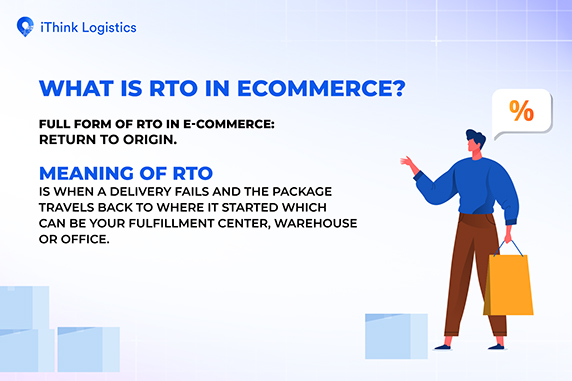
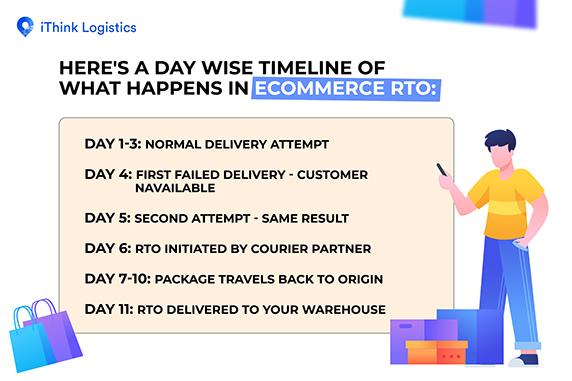
Return to Origin is whenever the order is returned without reaching the customer’s hands, it’s shipped back to the seller by the courier service.
This can happen for multiple reasons, either at the customer’s end or the e-commerce partner’s end.
At the customer’s end, reasons for RTO include incomplete address, change of mind, and intentional fraud attempts. Mistakes from courier companies like delayed delivery, lack of reattempts, and miscommunication with customers will also lead to RTO
D2C e-commerce sellers must work on the root cause of RTO to avoid losing time and money.
Best way to Reduce RTO in E-Commerce
Effective Order Verification Methods
Inaccurate or incomplete addresses are the top reasons due to which the courier partner can’t deliver the order. Customers must be encouraged to enter complete postal addresses. The support agents must confirm the address with the customers when they share order confirmation updates.
Optimizing Delivery Communication
The solution to reducing RTO is ensuring proactive communication with customers and verifying all delivery-related information. For instance, ask the customers if they would prefer a certain delivery window to ensure they are available at the time of delivery.
Leveraging Technology for Better Order Tracking and Fulfillment
Advanced order tracking technology with GPS or RFID tags can help sellers gain exact updates on the location and status of order fulfillment.
As evident, courier service has a huge role in preventing RTO. So D2C sellers must pick the best options for their business.
Best Courier Services for E-Commerce in India
Dozens of courier partners in India help D2C e-commerce sellers of all sizes deliver their orders across the country. DTDC, India Post, BlueDart, etc., are all leading examples with their unique key features.
Key Features of the Best Courier Service for E-Commerce in India –
Nationwide delivery coverage
Fast shipping with same-day or next-day options
Secure COD handling and fraud prevention
Cost-effective pricing with bulk shipping discounts
How to Optimize Shipping with E-Commerce Courier Services
In an ideal world, one courier partner should be able to offer all these features at the best rates for all deliveries possible. But for practical reasons, most sellers sign up for multiple courier partners to get the best outcomes.
As a seller with potentially 100s of orders per day, you can’t sit back and talk to each customer and verify their address or check with multiple courier partners if the COD order went through.
A courier aggregator is a single platform that merges multiple delivery partners and automatically selects the best courier partner for each delivery. The focus of the courier aggregator is optimal delivery in terms of efficiency, time, and cost.
Best Courier Aggregator in India to Reduce RTO in E-commerce
Several courier aggregators in India help businesses streamline their shipping processes. Some of the best courier aggregators include:
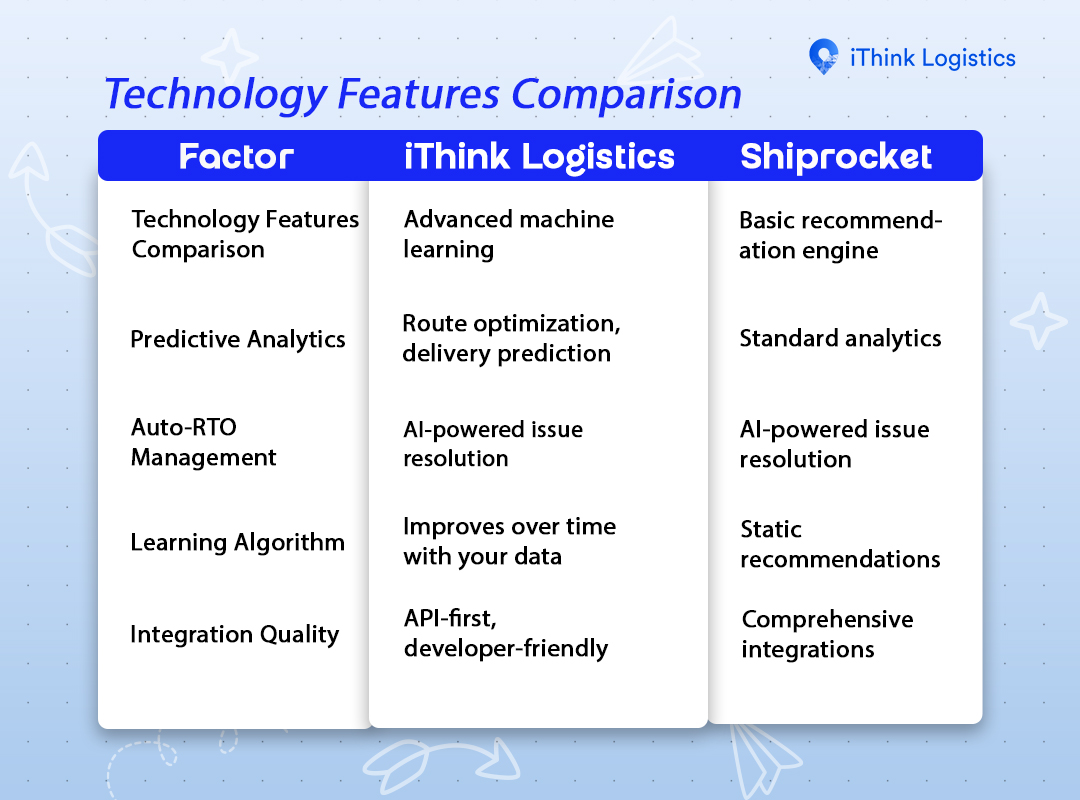
iThink Logistics – AI-powered courier selection and automated NDR management.
Shiprocket – Wide courier network and COD fraud detection.
Pickrr – Smart order allocation and return management.
NimbusPost – Real-time tracking and discounted shipping rates.
Choosing the right courier aggregator can significantly reduce RTO in e-commerce and enhance customer satisfaction.
How Courier Aggregators in India Help in Reducing RTO
Courier aggregators use advanced technology to minimise RTO through:
AI-based courier selection: Automatically assigns the best courier based on pincode serviceability.
iThink Logistics has a powerful AI engine that provides the best courier partner and also allows sellers to pick their preferences.
There are 2 preset options – Cheapest and Best-rated. Sellers can pick either of these for different deliveries at different pin codes. For example, BlueDart may have the best delivery percentage while DTDC may offer the cheapest rates for a given pin code. Based on custom selection, the AI engine will pick the courier partner.
Alternatively, they can let you set a priority order and make a selection based on 200+ parameters so you have more successful deliveries and happier customers.
COD fraud detection: Identifies high-risk orders to prevent fake or non-payment scenarios.
Address validation: Detects incorrect addresses before shipping to prevent delivery failures.
Real-time tracking: Keeps customers informed, reducing missed deliveries. This is where proactive communication comes into the picture. Courier aggregators also provide white-labelled order tracking pages for customers to keep a tab on their order’s live location.
Communication: Efficient courier aggregators allow notifications across multiple platforms to ensure customers never miss their delivery.
Tackling and reducing RTO goes beyond managing delivery alone.
Reducing RTO needs a more comprehensive service than what a courier aggregator might provide, i.e., Logistics Aggregator.
What is a Logistics Aggregator?
A logistics aggregator is a third-party solution that acts as a bridge between different carrier partners and a D2C seller. It provides a single-window interface to manage communication, analytics, and logistics operations with several courier services like DHL, Delhivery, and so on.
From our experience working with 100+ fast-growing D2C brands, one thing is clear:
Logistics aggregators provide end-to-end support, including
Packaging guidance
Warehouse management
Order fulfilment
Last-mile delivery
All of which directly impact RTO rates.
So, a dependable logistics partner is essential for reducing Return to Origin (RTO) rates, especially in a competitive and COD-heavy market like India.
Why does reducing RTO rates matter for a D2C seller like you?
Choosing the right logistics aggregator can lead to:
Streamlined operations, with fewer back-and-forth
Improved customer satisfaction with timely and accurate deliveries
As a result, larger profit margins by lowering shipping costs and RTOs
That’s why brands like you choose a partner like iThink Logistics with a proven track record in handling high volumes, managing real-time order tracking, and offering support tailored for D2C brands.
But you don’t have to take our word for it.
Read what D2C sellers like you have to say –Since partnering with iThink, our on-time deliveries have surged by 80%, shipping costs reduced by 30%, and RTO was cut down by 15%. Our customer satisfaction rate has also increased significantly.
Bhumika Impex, D2C seller using iTL since 2020
Key Factors to Consider
The best courier for e-commerce should offer a combination of affordability, reliability, and technology support. Key factors to consider include:
Wide delivery network to ensure serviceability to all pin codes
AI-driven route optimisation to offer affordable and faster delivery
Same-day and next-day delivery to reduce the chances of customers refusing to accept the delivery.
Fast and secure COD collection, enhancing your cash flow
Automated NDR (Non-Delivery Report) management and analytics to help with missed details of what happened on the ground
Seamless integration with e-commerce platforms for smooth daily operations
Logistics Aggregators: A Game Changer for E-Commerce
Choosing the right logistics aggregator helps streamline shipping operations and reduces the chances of undelivered orders.
A logistics aggregator is a technology platform that unifies multiple courier and fulfillment services into one dashboard. It provides e-commerce businesses with data-driven insights, automated order processing, and a seamless shipping experience.
How to Reduce RTO in E-Commerce Using Logistics Aggregators
Logistics aggregators help reduce RTO through:
Smart carrier selection for efficient delivery
Automated address verification to prevent incorrect shipments
Real-time tracking and proactive customer communication
Streamlined return management for hassle-free logistics
Why Logistics Aggregators Are the Future of E-Commerce Deliveries
Logistics aggregators are set to lead the e-commerce industry by helping sellers negotiate better rates with courier partners. Courier aggregators offer a unified dashboard for managing multiple couriers and streamlining operations.
This allows sellers to have a big-picture understanding of everything that goes on from their warehouse to the customer’s doorstep.
More so, AI-driven insights can lead to smarter decision-making, steering them ahead of their competition. Automation of daily logistical overhead results in long-term efficiency and
By integrating logistics aggregators, businesses can scale operations and improve profitability.
Choosing the Right Courier and Logistics Aggregator
Selecting the best courier service and logistics aggregator is crucial for reducing RTO in e-commerce.
iThink Logistics is the best-in-class logistics aggregator that ensures optimal delivery with hassle-free operations. The team at iThink acts as your logistics arm that reduces RTO while boosting your profits.
Imagine you ordered your wishlisted t-shirt online. You checked the ‘Track my order’ page and you didn’t see where your order is. Frustrated and scared, you think it was a scam.
A few days later, your order arrives. You are relieved. Wait, what? They charged extra for delivery.
Your reaction will be one of two things – You will cancel the order and never buy again from the brand or you will pay the money and leave a negative online review talking about your crappy delivery experience.
In the first scenario, the brand lost its customer. In the second one, it lost at least 30 more customers. Interestingly, at least 86% of people read online reviews before buying.
Instead of relying on an unreliable courier partner, the online seller could have chosen a courier aggregator. They help you offer a fast, secure, and smooth delivery experience with order tracking features to your customers. At the same time, courier aggregators ensure you deliver to maximum pin codes at affordable rates.
Why “Track My Order” is Non-Negotiable in 2025’s E-commerce
The Indian eCommerce sector is booming—and with it comes increased pressure on sellers to deliver fast, accurate, and stress-free. According to Statista, India is expected to ship over 5,000 million parcels by 2030.
Amid this surge, digital delivery tracking isn’t just a nice-to-have—it’s a necessity.
Why?
Customers demand transparency
Faster delivery = better customer retention
Fewer disputes over delays or package loss
Still wondering why real-time tracking is critical? Think about this: Would you hand over your hard-earned money to a stranger without knowing where it’s going? That’s exactly how your customers feel.
Buyer expectations with “Where is my Order?”
In the example above, the actual product has no impact on customer experience or brand trust. It’s about delivery, particularly
Speed without extra charges
Ability to track online orders
When a customer searches “Where is my order?”, they’re not just asking for a location update. They want reassurance that:
Their order has been accepted
It will be shipped promptly
It will arrive on time
In short, they want proof that they didn’t end up paying an online scammer.
Without this visibility, customers lose confidence. And when that happens, they often turn to competitors who offer better tracking experiences.
Order tracking isn’t only helpful to customers, it’s helpful to sellers, too.
An order tracking application offers insights into shipping trends, delivery routes, and challenges of fast and efficient delivery. This information can help improve your fulfillment and logistics operations as a D2C e-commerce retailer.
How Real-Time Tracking Improves Cash Flow and Reduces Returns
Think about sending money to a stranger. You’d hesitate, right? That’s how your customers feel when paying online, especially with scams on the rise.
Digital delivery tracking helps ease that anxiety. It signals that your brand is trustworthy and transparent.
How does real time tracking affect cash on delivery orders?
When customers can track their order, they’re more likely to pay upfront or in advance. This reduces your dependence on Cash on Delivery (COD) and improves cash flow by speeding up payment cycles.
Today’s customers expect instant updates. If they can’t see where their package is, they get anxious and frustrated.
Key Features to Look for in a Courier partner:
Now that we are clear on why your ecommerce business needs a courier aggregator, the next question we need to address is how to choose the best courier aggregator.
Real Time Tracking Capabilities
Real-time order tracking is the foundation for upgrading your daily operations. Think order fulfillment and supply chain management.
A clear view of your package’s journey, right from the warehouse to the customer, can make you aware of obstacles and their solutions. As a result, live order tracking improves delivery accuracy at each step of the way.
For example, if your package’s status shows order processing for several days, you need to know if it’s order picking or stockout or something else. This new knowledge can point towards the area of improvement.
Track online order is a feature that customers expect these days. In order to stay competitive, you must offer it to your customers.
Integration of Tracking Systems
An online business today operates via multiple sales channels like instagram shop, marketplace, mobile app etc. An order tracking application must allow free and easy integration without coding or expensive tools.
An effective courier aggregator must be able to integrate all these platforms for efficient order processing.
More so, it must also help you access different courier services like Delhivery, FedEx, BlueDart
The primary advantage of choosing the best courier aggregator in India that supports digital delivery tracking is faster and smooth delivery.
Scalability and Customization
If you plan to grow your e-commerce business to serve a wide geographical area, you need a courier aggregator. They bundle different courier partners together to cover maximum serviceable pin codes. For instance, DTDC offers 14,300 pin codes, while Blue Dart offers 21680+ pin codes and Ecom Express offers 27000 serviceable pin codes. The pin codes served by one carrier are different from the other. While the locations differ, rates and delivery speeds vary too.
If you try to partner with multiple carriers on your own, you need to manage delivery allocation, communication, and customer support etc for multiple carriers. The more carriers you sign up, the more you spend and work.
Instead, if you opt for a courier aggregator, you can reap the benefits of having multiple options without the extra work load or costs.
A courier aggregator can help you cover more pin codes. It can also help negotiate better rates because of bulk shipments. Clearly, a courier aggregator is needed for scaling your business.
Going a step ahead, an AI-driven smart courier aggregator can automate the selection of courier partners, depending on your priorities like speed, Return management, or rates. Learn more here about the best courier aggregator laced with a recommendation engine.
Scalability isn’t the only selection factor, customizability matters too.
You must be able to tailor track your order systems to the look and feel suited for your brand. Because customization goes a long way in building familiarity and brand recall. More so, the customers viewing the ‘track my order’ page must differ from your team viewing it. Your view should contain insider details of your business for improved operational efficiency and different authorization levels like admin view etc for larger teams.
Top Benefits of Choosing the Best Courier Aggregator in India
Robust Tracking Features
As discussed, the live delivery tracking feature allows for offering a superior customer experience and building brand trust. Because customers are unaware of back-end logistics processes.
If brands offer updated information about their order’s location and estimated delivery time, customers appreciate this transparency. And the waiting period becomes less frustrating.
Digital delivery tracking is also known to minimize delays and errors. When online retailers can track their order status, they have a full picture of how each package is handled and processed in their fulfillment and logistics system. This data can help them refine their daily operations and boost their business outcomes.
Enhanced Customer Experience
If your customers are empowered to check the order status via track online order pages, they see you as a reliable seller who values their customer’s convenience and trust. The track your order page should be easy to use, without multiple steps or complex layout.
Replace your customer support hours with a 24*7 available track my order feature that helps users check their order status anytime, anywhere. A courier aggregator with robust tracking features can also automatically send email and sms notifications about the order status.
Faster COD remittance
A big issue with small online retailers is cash crunch. With a reliable courier aggregator, retailers can have faster remittance, as fast as one day after delivery. This shortens the payment cycle as your pay isn’t stuck with any middleman. Hence you build a more stable cash flow.
Additionally, the best courier aggregator from iThink can also help sync all the billing and transactions with inbuilt features unlike traditional billing systems.
NDR tool
Returns eat up your profits. With AI-powered NDR tool, the best courier aggregator folows an automated verification process to reduce the number of returns. Plus, the system also re-attempts delivery in the next 48 hours to prevent RTO. You can easily monitor and manage the returns from the dashboard.
For high-growth businesses with large shipping volumes, the courier aggregator will share live NDR updates on WhatsApp. These updates include specific details of reasons for return etc.
Reports and Analytics
With multiple storefronts and shipping partners, it becomes difficult to track and monitor large data scattered across multiple platforms. An effective courier aggregator enables online retailers to measure important analytical data like NDR or RTO percentage.
Plus, an on demand ledger that sums up all your transactions is also available with the courier aggregator.
Tailor made support
The best tools offer the best support tailored to your needs. A dedicated CRM that stores customer records and manages customer service to aid your customer support function. More so, courier aggregators can resolve weight disputes for freight calculation. It can also provide predicted estimates for individual courier partners for you to make proactive decisions or leave the decision with an AI-recommendation engine.
Reattempt request or delayed OFD, the support team can ease these daily tasks on your behalf and give you peace of mind and efficient processes.
Tips for Selecting the Best Courier Aggregator
Research and Compare
Now that we have identified the importance and features of a courier aggregator. It’s time to pick the best courier aggregator in India.
You can check online which courier aggregators offer maximum features at lowest costs and what kind of brands they serve.
Remember, the primary role of a courier aggregator is delivery tracking and delivery route optimization. While you are investing in a tool, you must opt for an advanced order tracking application. For the most value for money pick the one that offers all-in-one solutions like warehouse management and CRM support to take care of all your logistics issues.
Check for Real Time Tracking and Live Delivery Options
Ensure the provider offers real time tracking and live order tracking services.
How robust tracking reduces logistical errors and improves efficiency.
The Future of Courier Aggregators: Trends to Watch
Digital delivery tracking is the most basic expectation of customers in 2025. D2C retailers must move with the changing trends and serve their customers as per their expectations to stay ahead of competition.
Drones and autonomous vehicles will allow deliveries within a few hours.
Sensor-based packaging ensures specialized delivery like temperature-controlled delivery.
Conclusion
Emerging technologies will transform real time order tracking. For instance, AI-driven NDR engines help tackle returns in an efficient way. The same-day delivery and next-day delivery will also become default expectations.
These trends will increase the shipping challenges of brands and courier aggregators will be useful. Choose a courier aggregator that allows real-time order tracking along with inventory management and reliable customer support.
Check the best courier aggregator with AI-powered recommendation engine, trusted by 25000+ brands and supports overall logistics for your ecommerce business.
Introduction: The Importance of Reducing Returns in E-Commerce
You’re not alone if Returns represent your biggest frustration as a D2C seller. Because let’s be honest, returns give you logistics overhead, they also eat into your bottom line.
Reverse logistics, delayed payment reconciliation, accounting overheads, a mismatched order management system, and a messed-up inventory. All these are return gifts of e-commerce ‘Return’, that we never wish or want.
However, any successful D2C seller will tell you returns are part and parcel of an e-commerce business. You just need to adjust your business practices to accommodate returns and soften their impact.
E-commerce return solutions do just that.
Let’s see why we need E-commerce Returns Solutions
At least 17 out of every 100 orders are likely to be returned. However, these rates are nearly 3x the return rate of offline stores.
More so, customers demand easy and free returns, making them all the more unavoidable for D2C sellers. Returns are one of the top 3 drivers that lead to online buying.
Now returns are like the necessary evil of e-commerce; it’s necessary to have proper solutions that can reduce return rates.
Why Addressing How to Reduce Returns in E-Commerce? is Crucial for Business Growth (H3)
However, the challenge with e-commerce returns is that they eat into your profits. Managing returns can cost up to 20-65% of the original product cost. And it’s not only about money.
Addressing returns efficiently is also critical to maintaining business health.
If returns exceed, it disrupts inventory forecasting and revenue predictability, leading to overall chaos.
Inventory is difficult to manage. One moment, the product reaches its destination, and the next, it’s again in transit, coming back to you.
Another side-effect of returns is erasing customer trust. Returns indicate that the customer isn’t fully satisfied with the product. If the return isn’t managed properly. It’s highly possible that the customer may leave and never return.
More so, it will show in your reviews online across platforms. Lower ratings is a sure way to lose customer trust even before they buy from you.
Let’s learn the causes of returns before we address how to manage them.
Causes and Solutions for Returns (RTO) in E-Commerce:
D2C sellers must remember that online shopping doesn’t allow customers to get a real touch and feel of your products. So, e-commerce orders get higher returns because customers don’t always get to see behind-the-scenes while shopping. However, certain steps can ensure returns are reduced.
Key Factors Contributing to High Return (RTO) Rates
Damaged products: If customers receive a damaged product, say with dents or key parts missing, they are bound to return it. Or if the product has no physical damage, but still fails to get the job done, it is then returned.
Wrong order: Wrong order due to a logistical mistake, like mismatched labelling etc., always results in return
Sizing Issue: Clothes and shoes specifically need a proper fit and size
Change of mind: Online shopping can lead to impulse purchases, and customers change their minds about a product after trying it on. Young shoppers tend to order multiple products, keep a select few, and return the rest.
Technical issues: Electronic gadgets may have compatibility issues, and hence, customers return them.
Poor Quality: If the product has a below-average quality, customers return it.
Returns are frustrating. You lose money, time, stock condition, and sometimes even loyal customers. But the good news is: most returns can be prevented with the right changes. Here’s a complete list of practical steps to help your D2C business reduce returns.
Most returns happen because the product didn’t meet expectations. Here’s how to fix that.
Show multiple photos from front, back, close-ups, in use, and size comparisons.
Include videos for a quick product demo, or a customer using it can save returns.
Write clear, honest product descriptions. Be sure to list out materials, usage, fit, feel, weight, and size.
Add size guides with real-world context — like “Model is 5’6″ wearing size M” or “Best cooling for room size up to 180 sq m.”
Call out common issues: include something like “May appear slightly brighter in natural light” helps set the right expectation.
Add customer photos and reviews. They speak louder than polished brand photos.
2. Reduce Warehouse Mistakes
A wrong product sent is a guaranteed return. These tips will help avoid slip-ups.
Use barcode scanning to double-check each item before dispatch.
Flag high-return SKUs for manual review; a second check can save a shipment.
Keep packing slips with item photos. A helpful practice for both warehouse staff and customers.
Pick smart, pack smart: iThink’s tech integration helps avoid misroutes, but clear zones and batch picking rules in your warehouse also help.
3. Pack Like a Pro
Returns due to damage? That’s easily avoidable.
Choose the right box size to ensure no bouncing around in transit.
Use sturdy, corrugated packaging, especially for fragile or heavy items.
Add cushioning like air pillows, paper stuffing, or eco-friendly filler.
Protect against the weather: Waterproof pouches help during monsoon deliveries.
4. Understand Why People Return
Every return teaches you something.
Track return reasons for every product: Was it size? Damage? Colour mismatch?
Look for patterns: Are returns coming from a specific pin code, courier partner, or warehouse?
Use heatmaps or scroll maps to see which part of your product page people linger on or skip.
Run short pre-purchase surveys. For example, “Still unsure about the fit? Take our size quiz.”
5. Post-Purchase Peace of Mind
Help your customer feel confident after buying.
Send confirmation emails with item details including size, colour, expected delivery.
Include tips on care and use to reduce damage-based returns.
Allow a short “edit order” window. Even 10 minutes can save you from accidental orders.
Send a check-in message on WhatsApp or email: “Need help setting it up?”
6. Offer Help Before the Sale
A bit of support can prevent a wrong purchase.
Live chat or WhatsApp support on product pages, especially for categories with lots of variants.
Place Product Q&A section where customers can ask and read answers.
AI chatbots for common queries like “Is this suitable for oily skin?” or “Will this work with C-type cable?”
7. Guide Shoppers Better
People feel more confident buying when they’re not guessing.
Use virtual try-ons or fit quizzes. They don’t have to be fancy tools.
Show reviews from people like them. For example, “This was perfect for my size 7 feet.”
Use “Best fit for…” badges. Try pop-ups saying, “Most customers who wear L chose M for a better fit.”
8. Make Tiny Changes to Your Website
Little improvements can make a big difference.
Use bullet points in your descriptions.
Let people zoom in easily, especially for clothing, jewellery, and tech.
Add trust cues: “92% of buyers kept this product” or “Low return rate” can reassure customers.
Make your size chart always visible. Use a sticky tab or popup.
Show return policies clearly. Confusion leads to post-purchase regret.
9. Revisit Your Return Policy
Strange but true: flexible policies sometimes reduce returns.
Longer return windows reduce impulsive returns because people are more relaxed, less reactive.
Encourage exchanges over refunds as one-click swaps are easier to manage.
Offer store credit instead of instant refunds, especially for high-frequency returners.
Bundle “non-returnable” items with gifts. This makes the deal feel more valuable.
10. Consumer Behaviour for your Benefit
Help your buyers feel secure without aggressive sales.
A/B test your product page: Try different images, layouts, or CTA buttons.
Use nudges like: “Only 2 left in your size” or “Runs small — order one size up”.
Use reminders at checkout: “Size M is often returned by people under 5’4”. Want to double-check?”
11. Educate Your Customer
A confident customer is less likely to return.
Include “How to use/care” videos or leaflets with the product.
Add a note explaining how returns affect small businesses. Try something like “Returns add to landfills and pollute nature. Let’s get it right the first time.”
Try QR code inside the box for care instructions or easy support.
12. Handle Hygiene & Trial Products Smartly
For categories like beauty, food, or personal care:
Use tamper-proof seals.
Make sensitive items non-returnable, but clearly explain why.
Offer trial packs before pushing full-size purchases.
13. Micro Tips
Add a handwritten note: “Packed by Arjun. Have questions? Reach out!”
Thoughtful packaging: a pleasant unboxing makes people think twice before returning.
Show relatable models: People return less when they can imagine the product on themselves.
Time follow-up messages smartly after the return window, and send a discount for their next purchase.
The Role of Collaboration in Reducing Returns
As discussed above, a lot of returns are the direct result of mismanagement at the logistics and supply chain level. As a D2C seller, a lot of your time, money, and resources go into making these daily operations smooth and effective. Even then, you wonder about how to reduce returns in your online business.
However, if you partner with a reliable and effective 3PL partner for streamlining your logistics and supply chain operations, you will have better value for money. Because you will have efficient operations and happier customers, thanks to e-commerce return solutions.
Partnering with Reliable Vendors and Couriers to Reduce Product Returns
Logistics aggregator is the #1 choice for smart D2C sellers who save time and money, instead of dealing with multiple courier partners individually. A robust 3PL support like iThink Logistics can give you a chance to have cheaper shipping rates, extensive customer support, and experienced shipping partners that bring their A-game.
If you use iThink Logistics, here’s how you are at an advantage.
Strong RTO management tools — reduce fake returns and fraud.
AI-powered Courier engine — auto-selects the best-performing partners for faster, safer deliveries.
Early COD reconciliation — helps with cash flow in case of returned orders.
Automated NDR follow-ups — saves returns that can be resolved via a call or message.
These features help reduce product returns drastically.
Conclusion: Effective Return Reduction and Its Impact
A return here and there doesn’t seem to disrupt your business. But then, if your returns exceed the industry average, you should be more careful. Reverse logistics can become a serious bottleneck with added costs and resources, without much to show in your account books.
This is why E-commerce returns solutions help. Partner with a reliable 3PL partner that follows e-commerce returns best practices and helps your business thrive.
Taking your business to international borders sounds exciting until you hit the reality with RTO and damaged parcels. Because no one ever told you that exports need specialised packaging to ensure timely and intact product delivery at customers’ doorsteps.
Export shipments have stricter and more demanding packaging needs than domestic deliveries because of a longer journey, rougher handling, and higher risks.
This guide breaks down everything you need — from packaging types and standards to practical tips and future trends — to help you ship smarter and grow globally.
What is Export Packaging?
Export packaging is specialised packaging that meets international standards and consists of specific practices that ensure safe shipping overseas. It is designed for extra protection and durability.
This type of packaging includes multiple layers:
Primary packaging that directly holds the product. For example, a tube holding the toothpaste is primary packaging. It shows basic product details and provides essential protection and hygiene.
Secondary packaging for grouping and added protection. The cardboard box is the secondary packaging with additional branding details, as you might have noticed on retail shelves.
Tertiary packaging, like pallets or crates used for bulk transport. In the above example, a corrugated box will be tertiary packaging. It holds multiple toothpaste boxes and will help in safe handling and storage during transit.
Export packaging must also include clear labelling, safety markings, and documentation to meet international customs and shipping standards.
Importance of Proper Export Packaging for Safe Global Shipping
Why is export packaging important?
International shipping isn’t gentle. Products may be stacked, dropped, or exposed to heat, humidity, or turbulence, especially during air freight. Weak packaging can lead to damaged products, customer complaints, and even penalties during customs checks.
Good export packaging helps you:
Protect goods from physical damage (shock, vibration, pressure)
Prevent exposure to moisture, dust, pests, or temperature changes
Comply with global shipping regulations
Reduce returns and losses
Build a strong brand reputation in new markets
Whether you’re exporting apparel, electronics, or in-demand snacks, correct packaging will lead to a thriving business and strong customer base.
Types of Export Packaging
Export packaging isn’t one-size-fits-all. The material you choose depends on what you’re shipping, where it’s going, and how it’s getting there. Here are some common packaging types D2C exporters and manufacturers rely on:
Corrugated Box Packaging for Export
Corrugated boxes are one of the most widely used export packaging materials because they’re sturdy, lightweight, and customisable. They are made up of multiple layers of cardboard with fluted inner layers. The structuring allows corrugated material to withstand shocks and compression, while making it easy to stack one on top of another.
They’re ideal for products that need solid protection without adding too much shipping weight. Plus, they can be customised with inner cushioning, coatings for moisture resistance, and branding for international unboxing experiences.
Use corrugated export boxes for electronics, packaged foods, cosmetics, apparel, etc.
Wooden Crates and Pallets
Choose wooden crates and pallets when shipping bulky, heavy, or high-value items overseas. They can be made of pinewood, plywood, or any other recycled materials in different sizes, like Euro size, ISO size, or custom sizes.
Crates are sturdy wooden boxes used for machinery, industrial equipment, and delicate goods. Pallets are flat and smooth structures that support the movement and handling of products using forklifts or cranes, etc.
These are essential for air or ocean freight, where rough handling and heavy stacking are common. Ensure the wood is heat-treated and ISPM-15 certified to avoid issues at international borders.
Use wooden crates or pallets for industrial components, heavy electronics, appliances, etc.
Metal and Plastic Containers for Export
Metal and plastic containers are generally used in B2B or industrial exports where extreme conditions are involved.
Metal containers (like aluminium or steel) are tamper-proof, fire-resistant, and used for sensitive cargo or hazardous materials. Plastic containers offer waterproof protection, reusability, and resistance to chemicals or corrosion.
They’re ideal for long-term storage, high-security transport of pharmaceuticals, chemicals, medical equipment, and auto parts.
Specialised Packaging Solutions for Fragile and High-value Goods
Some products are naturally more delicate and need extra care during shipping. These are called fragile items, think of glassware, musical instruments, or artwork. Even a small crack can ruin them, so they need specialised packaging with strong outer layers and soft inner cushioning to prevent damage.
Similarly, high-value items like luxury goods, fine jewellery, or electronics require secure and tamper-proof packaging. Even premium everyday products can fall into this category if they carry a higher price tag or brand value.
For example, a guitar’s tuning head is a small part, but if it breaks in transit, the entire instrument could become unusable. That’s why proper padding and shock absorption are non-negotiable.
Now that we’ve explored packaging types, let’s dive into the key features and why export packaging is so important.
Export Packaging Solutions
Choosing the right export packaging is more than just wrapping your products. It’s your first line of defence against damaged goods, unhappy customers, and financial losses. Effective export packaging solutions require you to meet the international standards.
Let’s discuss the key features of effective export packaging solutions.
Key Features of Effective Export Packaging Solutions
The core job of the packaging isn’t only to hold the product. It must also offer protection, brand value, and ensure compliance. What to look for in effective packaging solutions
High Strength – Crushing or tearing is common in longer transits like overseas shipping. The packaging material should be solid and robust, which can handle stacking and a lot of mechanical handling. Materials like corrugated boxes or wooden crates are known to have high strength.
High-impact resistance – The package from the factory to your customer’s step is handled countless times. Hence, they’re prone to falls and shocks. Using reliable and protective pillars like bubble wraps or pallets, or peanuts helps protect against impact or shock.
Temperature Control- FMCG perishable products like food or certain heat-sensitive electronics, medicines, etc, need temperature control packaging. Insulated boxes, thermal liners, and gel packs help maintain the integrity of shipped products
Non-static – International shipping comprises multiple modes of transport. Certain electronic products and auto parts get damaged because of electrical interference. Sellers must use anti-static materials to prevent any shipping damage
Non-Abrasive – Luxury goods like sculptures or gems, and fragile items like glassware, need non-abrasive packaging. It does not scratch the surface, keeping the look and polish of the product intact.
Flexible- Bulk packaging does not necessarily mean rigid packaging. Different SKUS can have different shapes and sizes, calling for flexible export packing materials. Foldable designs and adjustable compartments increase the space efficiency and reduce wastage.
Sustainability- Eco-conscious buyers appreciate reusable, recyclable, or biodegradable packaging materials. Sellers can opt for sustainable packaging solutions to promote sustainability as a brand value.
Cost-Effective- Export packing solutions must balance durability with volume and costs. Effective packaging solutions should cut down on wastage while being useful in serving the end purpose.
Clearly, you need an experienced and capable export packaging service provider to ensure your products get the optimal packaging that helps you ship as per international export packaging standards without burning of hole in your pocket.
Need for Custom Export Packaging Services
Export packing isn’t one-size-fits-all. The export packaging requirements vary as per the sector, international compliance, and the product’s characteristics. This is where custom export packaging services come in to ensure that your products reach safely without delays or penalties. Alongside packaging, clear labelling also ensures fewer damages, returns, and delays.
Tailored Packaging Solutions for Industry-specific Needs
Let’s look at how packaging solutions vary across industries:
FMCG (Fast-Moving Consumer Goods)
Containers: Tamper-evident, leak-proof jars or bottles to maintain product integrity.
Labelling: Multilingual labels with expiry dates, barcodes, and batch numbers, compliant with international regulations.
Packaging: Durable cartons with cushioning (e.g., foam, bubble wrap); temperature-controlled options for perishables.
Pharmaceuticals
Containers: Sealed, sterile vials or blister packs meeting WHO-GMP standards.
Labelling: Must not curl or warp due to moisture and temperature changes while displaying precise drug info and approvals.
Packaging: Insulated boxes, double-layer protection, and strict adherence to country-specific import regulations.
Electronics
Containers: Anti-static pouches or plastic clamshells to hold individual components.
Labelling: “Fragile” tags, barcodes, and technical specifications clearly marked.
Packaging: Rigid boxes with internal cushioning (e.g., foam inserts) and double-boxing for added shock resistance.
Fragile & High-Value Items
Containers: Compact cases or inner cartons tailored to product dimensions.
Labelling: Prominent “Fragile” and “This Side Up” stickers.
Packaging: Double-corrugated boxes with foam peanuts, air pillows, or vacuum sealing to prevent breakage.
Auto Parts
Containers: Moulded plastic or metal casings for individual components.
Labelling: Clear part numbers and handling instructions.
Packaging: Impact-resistant crates or palletized shipments with moisture barriers and reinforced straps.
Cosmetics & Beauty Products
Containers: Leak-proof tubes, jars, or glass bottles, depending on product type.
Labelling: Ingredient lists, compliance info, country of origin, and expiry dates.
Packaging: Padded cartons with tamper-evident seals and bubble wrap for breakage prevention.
Smaller Appliances
Containers: Moulded trays or compact cardboard boxes enclosing the appliance.
Labelling: “Fragile” and “This Side Up” handling instructions, product details, and serial numbers.
Packaging: Double-boxing with shock-proof padding and moisture-resistant outer layers.
Industrial Components
Containers: Metal or polymer enclosures designed to fit parts securely.
Labelling: Load info, handling guides, and destination labels.
Packaging: Shrink wrap, heavy-duty crates, and reinforced pallets with foam or rubber padding for safe transit.
Hazardous Materials
Containers: Compliant inner containers with leak-proof seals and secure closures.
Packaging: Triple-layer containment with absorbent material, insulation, and safety locks for maximum compliance.
Packaging can make or break your cross-border trade. Here’s how complying with export packaging standards can help your e-commerce business.
Benefits of Proper Export Packaging
Ensuring Product Safety During Transit Good export packaging acts like a safety shield for your product. It protects against rough handling, bad weather, and long travel routes. Sturdy boxes, proper cushioning, and moisture-resistant layers ensure that what leaves your warehouse is exactly what reaches your customer.
Building Brand Reputation Through Quality Packaging Packaging isn’t just functional, it’s part of your brand. Especially in international markets, first impressions matter more. Apple is a great example that has nailed packaging.
If a customer opens your package and finds everything intact and thoughtfully packed, it creates a positive impression. Quality packaging shows that you care, and that attention to detail builds trust and loyalty over time.
Cost Savings Through Optimised Packing Techniques Smart packaging doesn’t just protect, it saves money too. Using the right box sizes, efficient fillers, and stackable designs can reduce shipping volume and weight, resulting in lower freight costs. It also means fewer returns or replacements due to damage, which directly improves your bottom line.
In short, good export packaging is a business advantage.
Benefits of Using Export Packaging Services
Since export packaging involves many moving parts, it’s best to rely on experts.
Export packaging services specialise in providing optimised packaging for international shipping. Here are the benefits of using export packaging services –
Compliance with international standards: These organisations are at par with evolving regulations across countries and meet regulations, complex documentation, and sustainability norms. They ensure your packages meet the required certificates, UN markings, and global guidelines for a smoother delivery experience.
Customs Clearance: Their vast experience also helps in faster customs clearance, avoiding delays, penalties, or rejections, allowing timely delivery for your package.
Scalable for growth: Delegating export packaging to a dedicated firm ensures it doesn’t become a bottleneck. You have the resources to invest in your overall growth, instead of negotiating with the customs officials of a foreign country.
Tailored for different geographies: What works in Mumbai doesn’t work in Manchester. Every country/region has its cultural sensitivity and shopping culture that you must cater to.
US audiences will appreciate the convenience of portioned, grab-and-go kind of food packaging, which might not be appreciated in India, for instance.
Export Packaging Requirements and Standards
Every region around the world has precise export packaging requirements. A simple missed detail can cost you customers and ruin your brand reputation. Let’s go over the specific packaging requirements of different regions worldwide.
Overview of Export Packaging Requirements by Region
Export Packaging Guidelines in APAC –
The Asia Pacific region has the most diverse requirements due to different regulations, cultural expectations, and ecological awareness.
For example, Japan has very stringent requirements for the packaging and labelling of Pharmaceutical products. Japan is home to an elderly population. Hence, it prefers easy-to-open packaging and clear labelling stating the ingredients for patient safety.
Export Packaging Guidelines in Europe
Besides traditional safety requirements, European countries are prioritising eco-friendly packaging to reduce environmental impact. Consumer goods require smaller and lightweight packaging with details of packaging material to promote proper sorting and discarding of waste.
They also expect similar EU logos to simplify returns and deposit systems. For example, a soda bottle can be deposited for recycling, and the customer gets a small refund. Similar logos can help sustain this system across Europe.
Products containing toxins like Lead, Cadmium, etc are prohibited.
Export Packaging Guidelines in North America
The U.S. and Canada have more relaxed environmental rules than Europe, but they still expect well-organised, safe packaging that’s easy to transport.
North American guidelines require palletized containers for easier handling, and goods to be secured (think stretch wrap or straps). Packages must sit evenly and not bulge or lean for efficient stacking.
Everything should be labelled properly, and handwritten notes aren’t accepted. Label stickers should appear on both sides of containers, and all packages must have barcodes.
Export Packaging Guidelines in Latin America
Latin American countries look forward to promoting transparency, public health, and sustainable practices.
For example, Mexico requires a printed warning on the front side of food products that exceed fat, sodium, or sugar by 25%. While Chile is focused on reducing plastic use and encouraging biodegradable packaging materials.
As discussed, different regions have different agendas for the near future, and thus, they have different requirements. For better understanding, we can sum up the globally accepted key standards.
Key Export Packaging Standards
Below is a detailed overview of the most critical global packaging standards that allow efficient logistics and regulatory compliance.
ISPM 15: International Standard for Wood Packaging
ISPM 15 (International Standards for Phytosanitary Measures No. 15) is a global standard developed by the International Plant Protection Convention (IPPC) and adopted by the FAO in 2002. This standard prevents the spread of pests via wooden packaging in overseas trade.
ISPM 15 ensures that wood packaging of more than 6mm in width is treated with heat or fumigation to eliminate any pests. It applies to pallets, crates, boxes, drums, barrels, and dunnage. However, plywood or MDF, etc, are exempt as they are already subjected to high heat while manufacturing.
After treatment, packaging must be marked with the ISPM 15 stamp, which includes the IPPC logo, country code, producer code, and treatment code.
ISPM 15 is recognised in more than 100 countries worldwide.
IMO – International Maritime Organisation
IMO/ILO/UNECE code of practice for the packing of Cargo Transport Units deals with the packaging, handling, and stowage of hazardous goods via land and sea routes. It requires proper declaration, labelling, and leak-proof securing of hazardous goods to prevent casualties at sea and ports. Overloading of containers or stacking incompatible goods together must be prevented to avoid hazardous reactions.
It outlines the safety practices for staff who handle and pack, and also receive and unpack the goods.
IATA (International Air Transport Association):
It establishes packaging standards for air freight, including special provisions for hazardous goods. The hazardous goods could include infection-causing materials, lithium batteries, or explosives, etc.
ASTM D5118:
Commonly referenced in North America for the fabrication and performance of corrugated and solid fiberboard boxes, liners, and sleeves.
Export Packaging Requirements for Corrugated Boxes
Corrugated boxes are super popular for exports because they’re strong, affordable, and versatile. But to meet international shipping standards, they have to follow a few key rules:
Material: Must be made from strong, high-quality fiberboard that can handle long trips and different climates.
Box Type: You can use single or double-wall boxes based on how heavy or fragile the item is.
Sealing: Boxes should be sealed with strong glue or rust-proof staples. Glue should hold well, and staples shouldn’t break or rust.
Box Proportions: To keep the box stable, its length should be no more than 2.5x its width, and its height no more than 2.1x its width.
Fit: Box sizes must match pallet and container dimensions to avoid issues during loading.
Testing: Boxes must pass strength tests like burst, edge crush, and compression tests to prove they can handle stacking and rough handling.
Moisture Protection: Boxes often need a water-resistant layer to protect against humidity during sea or air shipping.
Labelling: Mark boxes clearly with handling instructions, destination, and any hazard warnings.
Documents: Ensure the packing list matches the shipping documents to avoid customs delays.
The requirements can also vary as per regional regulations. For example, China follows GB/T 6543-2008 for box strength, size, and build. North America uses ASTM D5118, which outlines grades and performance standards for corrugated boxes.
Documentation and Labelling Requirements for Export Packaging
Exporters must always stay informed about the regulations for efficient logistics across international borders.
Essential Export Documents
Commercial Invoice: Details the transaction between buyer and seller, including price, terms, and product description.
Packing List: It lists the contents of each package, including weight and dimensions.
Bill of Lading: This document serves as a receipt and contract between the shipper and the carrier.
Certificate of Origin: This indicates the country where the goods were manufactured.
Export License: A license is required for certain restricted goods; it verifies authorisation to export.
Depending on the destination country and nature of goods, additional documents may be necessary.
Labeling Requirement
Proper labelling ensures that your packages are handled correctly and reach their destination without issues:
Clear Identification: Include shipper and consignee details, country of origin, and a detailed description of contents.
Handling Instructions: Use standard symbols (e.g., “Fragile,” “This Side Up”) to indicate special handling needs.
Barcodes and Tracking: Apply barcodes or tracking numbers as required by carriers or destination countries.
Compliance Marks: Affix any necessary compliance marks or certifications relevant to the product or destination.
Labels should be durable, legible, and placed on multiple sides of the package to ensure visibility.
Export Packaging Guidelines for Businesses
As discussed, exporters need to pay minute attention to packaging guidelines, compliance, and durability of packaging for overseas transit. Here is a step-by-step guide to adhere to the right frameworks and regulations.
Challenges and Solutions in Export Packaging
Exported goods call for thoughtful packaging that can withstand unexpected conditions like shocks, difficult weather, and mishandling.
Common Challenges in Export Packaging
Packaging for Extreme Weather: High temperatures, hailstorms, snow, rain, humidity, storms, and everything in between. Sea and land transport typically take a longer time and hence are subject to varying climatic conditions.
The packaging should account for all possible weather conditions. Even air freight needs packaging that can handle extreme pressure and temperature changes.
Mishandling Conditions: Warehouses and ports, both of which are notoriously busy. The packages can be accidentally dropped, prone to tearing, or falling off stacks, leading to damaged products.
Potholes and rough roads can also negatively affect product integrity.
Meeting Varying International Standards: Strict regulations and specific guidelines for packaging material make it challenging to manage export packaging. Any minor mistake can lead to delays or penalties at customs.
Balancing Cost and Quality: Packaging containers come in standardised sizes for international shipping. But that could imply you’re paying to ship ‘empty space’ if the container is not optimised properly. In contrast, over-optimisation without careful consideration may lead to increasing costs.
Managing supply chain disruptions: An increasingly challenging geopolitical scenario with financial ups and downs can disrupt the supply chain.
Sustainable Packaging: Again, the requirements of sustainable packaging vary with regions, making compliance difficult.
However, these challenges can easily be overcome by opting for practical solutions that follow the required export packaging guidelines.
Step-by-Step Export Packaging Guidelines
Selecting Appropriate Packaging Material
The most critical aspect of packaging is choosing an appropriate material to ensure security and protection. The nature of the goods being transported –
Dimensions
Shelf-life
Electrical or chemical nature
Durability
intrinsic value
All these factors influence the type of packaging chosen.
For instance, certain medicines and food items need refrigerated containers to maintain their integrity and usefulness. Or electronics components may require insulated, anti-ESD containers.
Ensuring Product Safety and Protection
Damaged or missing inventory is another challenge with export. Packaging can solve this problem largely.
Packaging made with durable material, custom-fit dimensions, and suitable infills ensures the product remains intact. Smart packaging prevents damage from dropping, shock, mishandling, or compression.
Use tamper-proof containers secured with metal or heavy nylon bands to deter stealing. Labels of high-value goods must only display strictly necessary information, not to attract the attention of thieves.
Use weatherproof lining while exporting to regions with extreme weather conditions.
Adhering to Regulatory Compliance
As exporters, you must follow the regulatory compliance of the destination country. The absence of which can lead to heavy penalties, delayed clearance, or returns, leading to business losses.
Customers may be dissatisfied if your packaging does not meet their expectations, like other local businesses. Failing to follow the rules may also damage your reputation in the market.
Best Practices for Export Packaging
Proper Labelling: Labelling may seem trivial, but it can be the difference between a successful and unsuccessful international delivery.
Use bilingual labels to avoid confusion. Place stickers on multiple sides, while choosing the logos common in the labelling practice of the destination country.
Reduce waste: Optimise your packaging for better material management, leading to reduced waste and lower costs. Certain industries also employ returnable packaging that can be reused. Opt for minimalistic designs to reduce the weight and volume costs of shipping.
Consider the mode of transport: The mode of transport determines the duration and nature of transit.
For example, air freight has turbulence while sea freight has moisture and strong winds.
Consider the mode to optimise for possible challenges.
Climatic difference: India’s climate is wildly different from North America. Certain goods, like medicines or food products, can be sensitive to surrounding weather conditions. So, use insulated or refrigerated containers for the same.
Special care for fragile and high-value items: Shipping these items is a costly affair. Careful packaging with cushions, peanuts, or bubble wraps is a must for these products. Sufficient protection ensures shock and compression resistance from the breaking or cracking of goods.
Managing inventory for packaging material: Your export volumes determine the quantity and quality of packaging material. You can use multiple suppliers if you manage export packaging in-house.
Choose a reliable shipping partner: Opt for an experienced shipping partner that can offer end-to-end logistics support for international shipping, including export packaging.
iThink Logistics offers delivery within 10-12 days, real-time updates, and a dedicated account manager for efficient international logistics.
Future Trends in Export Packaging
Export packaging will grow and evolve as exports grow in volume and prevalence. Here’s how the picture of export packaging is taking shape –
Sustainable Export Packaging Solutions
Sustainable packaging is the number one trend in export packaging. More exporters and logistics companies now choose eco-friendly packaging to appeal to eco-conscious buyers. This trend is a direct result of leading economies promoting sustainability practices.
Recyclable material or reusable packaging material also helps in reducing environmental impact.
Minimalistic designs that cut back the need for access material use are also gaining popularity.
Innovations in Export Packaging for Improved Efficiency
The latest advancements help companies build right-size packaging that lends a snug fit, protecting the package while also reducing the need for infill. These right-sized packages need fewer raw materials than typical packages.
Another upcoming trend is a focus on building lightweight materials that cut down on shipping costs and also carbon emissions.
Role of Technology in Streamlining Export Packaging Processes
Export packaging is not untouched by technological advancements. Adoption of QR codes, RFID tags, and NFC chips provides real-time tracking. These solutions add to supply chain transparency and verify product authenticity.
Use of artificial intelligence to optimise packaging design and predict supply chain volumes is expected to rise. 3-D printing of packaging material may also help reduce cost and boost overall efficiency
Conclusion
International trade gives you a chance to expand your customer base. The key to successful export packaging is following the best practices and regulatory requirements to reach international markets and gain loyal customers
Export packaging looks easy to the eye- pack and ship. But it’s the details that become overwhelming – between compliance, customs, and freight forwarders, you will easily lose sight of your business.
The solution is to pick an international shipping partner that takes the load off your plate. With iThink Logistics, you can ship internationally at affordable pricing with facilities like CSB5 with GST-compliant invoices and super-fast delivery.
Easy and efficient international shipping is one call away. Book a call.
Imagine you are visiting a street vendor versus you visiting the high-end mall in your city. Which place will you be willing to trust more and spend more in? The mall, right?
Why?
The mall’s shopkeepers have optimised their stores for a comfortable and enjoyable shopping experience with quality products, motivating buyers to trust and spend more.
The behavior of your online shoppers is no different.
It’s common for people to leave a website if it doesn’t load in 3 seconds. Site load speed, along with other factors like easy navigation and trust factors, decides how long your customers stay and how much they spend.
India reportedly has about 432000 e-commerce websites. Yet, not all are well-known or making millions because they lack the best e-commerce website features.
In fact, well-optimised e-commerce website features also help sellers with logistics, payments, and scalability.
So what are the features of e-commerce that differentiate successful websites from the rest?
Let’s answer this question with a look at must-have features that build customer trust, make shopping a breeze, and hook customers to stick around.
1. User-Friendly Navigation & UX Design
The e-commerce store that doesn’t confuse or overwhelm the visitor is more likely to be a top choice.
The most likely first step for your visitor is to search for a specific product or category. An Intuitive menu with clear categories simplifies website use and navigation. Similarly, smart search functionality is one of the top e-commerce website features find what online buyers are looking for quickly and easily.
Mobile phones account for 60% of online traffic. Clearly, e-commerce websites designed for mobiles are the need of the hour. Fast-loading pages can make or break the deal for buyers looking for impulse purchases. For D2C brands, speed is the #1 e-commerce website feature. A website needs to load fast to reduce bounce rates and keep potential buyers engaged. A slow site can cost you both customers and rankings on Google
Eliminate multiple steps in your checkout flow to reduce cart abandonment.
Customers hesitate to enter payment details if they don’t trust your website. Use a secure payment gateway with SSL encryption to protect transactions and comply with industry security standards like PCI DSS.
As an e-commerce seller, give your shopper multiple payment options like UPI, credit/debit cards, wallets, and BNPL (Buy Now, Pay Later) for convenience.
3. High-Quality Product Pages
Give specific details like material, fit, dimensions, product care guide, etc., to ensure buyers get relevant information. Help your buyers make informed decisions with HD images, videos, and 360-degree product views.
This interactive experience will not only decrease buyer’s remorse but also reduce the chances of returns.
E-commerce website features like Persuasive product descriptions with SEO-friendly keywords ensure your store gets discovered by new customers.
Customer reviews and ratings are a primary factor that influences buying behaviour. You must include user reviews to clearly show benefits from real users.
4. Personalisation & AI-Powered Recommendations
Big players are leveraging new features for e-commerce websites like AI-driven product suggestions based on browsing history. Amazon is popular for offering personalised recommendations. Myntra has also introduced an AI-shopping assistant for its customers.
You can go a step further to offer custom discounts and dynamic pricing based on user preferences and stock updates.
Include unique features of e-commerce like Wishlist and ‘Save for Later’ to increase conversion rates. They are especially helpful for customers to find their saved items quickly when they’re ready to buy.
5. Robust Inventory & Order Management
The e-commerce website must be designed to query your Order Management System in the background and give real-time stock updates to prevent overselling. Also, you must ensure you get automated low-stock alerts for better demand forecasting.
This helps you offer streamlined order tracking for customers so they can have a positive post-purchase experience with your brand.
6. Order Tracking and Speedy Delivery
As an e-commerce seller, you closely understand the challenges associated with the supply chain and logistics. The solution to a poor delivery experience is partnering with a reliable courier aggregator.
Pick a logistics partner that offers same-day and next-day delivery and order tracking to keep your customers happy. Including shipping rate calculators and estimated delivery dates on product pages upfront keeps the customers informed. Also, you can better manage customer expectations. Easy return & refund process allows for better customer satisfaction.
iThink Logistics is a premier 3PL partner trusted by big D2C names like Marico, Nish Hair, Zodiac Clothing, etc. Take advantage of important features for e-commerce website, like early COD reconciliation, RTO management, and seamless API integrations and scale your business.
7. SEO & Performance Optimisation
You don’t make any sales if your customers can’t find you, regardless of your product quality. Invest in SEO for organic traffic. Look into Schema markup, meta tags, and optimised URLS for SEO.
Fast page speeds not only impact user experience but also rankings in search results. Opt for a Mobile-first design, so mobile users can find your store.
8. Multi-Channel Selling & Social Commerce Integration
You can sync your store with marketplaces like Amazon and Flipkart. But the problem is that you will have to pay these platforms a commission. Social selling is on the rise, and you can also sell directly via Instagram, Facebook Shops, and WhatsApp.
While marketplaces and social platforms help you reach more customers, they come with restrictions—fees, policy changes, and algorithm updates beyond your control. A better strategy? Build your own e-commerce website as your main hub and integrate these channels for added reach.
9. Customer Support & Chatbot Assistance
E-commerce giants rely on e-commerce website features of using 24/7 live chat and AI-powered chatbots to help with personalised recommendations.
Make sure to include FAQs and an order tracking option for improved customer experience. D2C sellers often struggle with high return rates. Offer proactive status updates to customers to ensure seamless delivery and prevent missed or delayed deliveries that cause RTO.
10. Analytics
Analytics is a must-have e-commerce website feature because data-driven decision-making leads to a higher ROI. Closely monitor your delivery numbers, order processing metrics, and conversion to assess the health of your business.
A 3PL partner can help you manage the end-to-end supply chain and provide an integrated dashboard for reporting and analytics, and determine the best course of action.
Optimising for Growth & Scalability
A successful e-commerce website isn’t just about listing products, it’s about creating an effortless shopping experience that keeps customers coming back. From easier navigation to hassle-free checkout and fast deliveries, the entire list of features for an e-commerce website counts in building trust and boosting conversions.
A well-optimised e-commerce store does more than make a great first impression. Smart sellers focus on long-term success by streamlining backend operations like order fulfilment, inventory management, and customer support.
Struggling with high return rates or slow deliveries? iThink Logistics helps D2C brands like yours scale profitably with faster shipping, reliable order tracking, and seamless COD reconciliation.
In D2C eCommerce, nothing breaks trust faster than a broken product.
Shipping damage isn’t just about returns or refunds—it chips away at your brand’s reputation. And if you’re shipping fragile items or high-value items, the risk is even higher.
Wondering why your carefully packed parcels still arrive cracked or damaged? You’re not alone—and no, adding more bubble wrap isn’t always the answer.
This blog is your quick guide to shipping fragile items the right way with a specialised fragile items courier. We’ll walk you through simple, practical steps to protect your products and your customer relationships.
Let’s get into it.
Understanding Fragile and High-Value Shipments
What are fragile products? Fragile products are prone to scratches, breakages, and tears, leading to diminished value or use.
For example, consider a limited-edition merch like an IPL-inspired Puma sneaker, which is definitely high-value cargo. If it loses shape or gets scratched, the customer will return it.
Fragile Items vs. Fragile Products– Is there a real difference?
Let’s understand that with a simple example. A designer wine glass is a fragile item. A gift box containing a set of designer wine glasses is a fragile product.
The core difference is that as soon as a fragile item is packaged to be sold to a consumer, it’s referred to as a fragile product.
It’s a minor difference. But the distinction matters in e-commerce because one has to pay attention to the end-use of the products and customer expectations surrounding the products.
Common Types of Fragile Products in E-Commerce
The common types of fragile material in e-commerce are –
Glass- Anything made of glass is easily prone to scratches and shattering.
Ceramics – Ceramics is another material prone to breakage and cracks.
Liquid – Liquid can spill and damage the packing material as well
Electronics components – Electronics components can be sensitive to heat and static charge.
Auto parts – Auto parts can be misaligned or compressed, or get dents.
Musical Instruments – Musical instruments are fragile as they can easily break, compress, or lose elasticity, etc.
Jewellery and Gemstones – A single scratch can make the jewellery worthless.
High-end artwork – Cracks, creases, or any damage to the outer surface can make the artwork unattractive.
The Growing Demand for Handle with Care Courier Services
High-value shipments are expensive, and one shipping damage can cost you lakhs as well. Even for fragile items, one simple oversight can lead to shipping damage costing you customers.
The best solution is to book a specialised fragile courier partner who can supervise fragile and high-value shipments.
Best Practices to Pack Fragile and High-Value Shipments
You spend hours packing a fragile product, double-wrapping it, and marking it “FRAGILE” only to get a refund request because the item arrived broken. Sound familiar? Let’s understand a step-by-step process, suitable packing material, and more
How is Fragile Pack safely transported?
Step 1: Start with a Strong Box
Choose a high-quality corrugated box—preferably double-walled for extra protection. Make sure it’s just the right size: too big and the item will rattle around; too small and there’s no room for cushioning.
Step 2: Layer the Bottom
Line the bottom of the box with cushioning material like foam peanuts, crumpled kraft paper, or bubble wrap. This layer absorbs shocks and acts as the first line of defence.
Step 3: Wrap the Item Properly
Wrap each item separately with bubble wrap or foam sheets. If it has delicate parts (like a wine glass stem or a ceramic handle), give those areas extra padding. Use tape to secure the wrap in place.
Step 4: Cushion All Sides
Place the wrapped item in the centre of the box and surround it with padding on all sides—top, bottom, and sides. The goal is to prevent any movement inside the box.
Step 5: Close and Seal the Box Securely
Use strong packing tape (not regular cellophane tape) to seal all seams and edges of the box. Reinforce the bottom and top flaps for added durability.
Step 6: Add Fragile Labels and Handling Instructions
Clearly mark the box with “Fragile,” “Handle with Care,” or “This Side Up” labels. These visual cues increase the chance that fragile courier staff will treat the parcel more gently.
Pro Tip:
If you’re shipping multiple fragile items, never let them touch inside the box—even if they’re both bubble-wrapped. Use cardboard dividers or place them in separate boxes.
Essential Packing Materials for Fragile Products
The right materials can mean the difference between a happy customer and a return request. Each layer of packaging serves a specific purpose. Here’s a little breakdown –
1. Corrugated Boxes
These boxes are strong, lightweight, and can absorb external pressure. Double- or triple-walled boxes are ideal for heavy or extra fragile items.
Example: Used by D2C brands selling home decor, glassware, or electronics. A ceramic planter brand shipping pan-India would use double-walled corrugated boxes to avoid breakage.
2. Bubble Wrap
Acts as a cushioning layer to protect delicate surfaces from scratches and absorb shocks during transit.
Example: Jewellery, cosmetics, or electronics brands often wrap each product individually in bubble wrap before placing them in the main box.
3. Foam Sheets or Foam Rolls
Foam provides padding and is especially good for items with sharp edges or awkward shapes. It’s also anti-static—great for electronics.
Example: A premium headphone D2C brand would use foam inserts in product boxes to cradle and protect the item.
4. Kraft Paper or Paper Void Fill
It fills empty spaces in the box to prevent movement, and it’s a sustainable, recyclable option.
Example: Small-scale, eco-conscious businesses selling handmade pottery or glass bottles often use kraft paper as inner fill to align with their branding.
5. Air Pillows
These lightweight cushions fill voids and prevent items from moving around inside the box.
Example: Brands selling multiple smaller fragile products (like a combo pack of candles or miniatures) use air pillows to keep products snug and separated.
6. Cardboard Dividers
Prevents items from knocking into each other inside the box—ideal for shipping more than one fragile item in a package.
Example: Tea sets, spice jars, or cosmetics kits often use dividers to separate each item neatly.
7. Strong Packing Tape
Seals the package tightly and keeps the protective layers intact. Tamper-proof tape adds extra security for high-value shipments.
Example: A luxury skincare brand shipping from its Shopify store uses branded tamper-proof tape for both protection and trust-building.
8. Fragile / Handle with Care Labels
Visual messages that alert warehouse and delivery personnel to handle the package gently.
Example: Art supply sellers or resin craft stores often rely on fragile labels to reduce damage during last-mile delivery.
For high-value shipping, the higher the price, the bigger the loss, and the bigger the responsibility.
1. Use Tamper-Proof Seals
These are special seals or tapes that show clear signs if someone tries to open the package. If the seal is broken, you’ll know the package has been tampered with.
It gives both you and the customer peace of mind that the product wasn’t opened or swapped during shipping.
Example: A D2C brand selling gold-plated watches or premium fragrances should seal the inner box with tamper-proof tape or use security seals on product boxes.
2. Double-Boxing Method
This involves placing the product box inside a slightly larger outer box with padding in between. This approach adds an extra protective buffer, especially useful for international or long-distance deliveries where rough handling is common.
Example: A seller of hand-painted glassware could first pack each item in its original box with foam, then place that box inside a second corrugated box filled with air pillows or kraft paper.
3. Insurance Tags and Documentation
Always mark your package clearly if it’s insured and keep records of the product’s value.
If something goes wrong in transit, having proof of value, insured tags, and receipts speeds up claims and reduces financial loss.
Example: A D2C art seller shipping an original canvas painting to a buyer in another city should insure the shipment, include an invoice inside, and label it with the insurance code.
4. Add Real-Time Tracking and Delivery Confirmation
Use a specialised fragile courier that provides live tracking and requires a delivery signature from the customer.
Adds accountability and ensures the package reaches the right person, reducing theft or misplacement risks.
Example: A seller delivering a high-end camera kit can track the parcel in real time and get confirmation with the buyer’s signature.
5. Keep Outer Packaging Discreet
Avoid printing brand names or luxury branding on the outer box. Flashy packaging can invite theft. Plain brown boxes draw less attention in transit.
Example: Luxury skincare or gadget sellers often ship products in unbranded boxes to avoid tipping off potential thieves.
Shipping High-Value and Heavy Goods
Heavy and bulky items can be tricky to pack and ship. Electrical components, giant artwork, and industrial machinery all need a heavy goods courier. More so, these can be fragile too.
Imagine transporting components of an MRI machine; they are heavy due to weight, fragile because of precision parts, and high-value because of cost. Or a high-end kitchen appliance has a heavy metallic body, but the sensitive electronics part is fragile.
These objects are tricky to transport. Here’s an easy-to-follow guide for a successful heavy parcel delivery.
Challenges in Heavy Parcel Delivery
Risk of Damage: Heavy items put more pressure on the packaging. If not cushioned or secured properly, even strong materials can crack or deform during transit.
Handling Issues: Lifting and moving bulky shipments often need special equipment, like forklifts, cranes, or pallet jacks. Mishandling can cause injuries or product damage.
High Shipping Costs: Heavier parcels naturally attract higher courier fees. Add insurance, special crating, and handling charges, and costs can shoot up quickly.
Customs and Compliance: High-value goods like luxury electronics, artwork, or machinery often need additional paperwork, certifications, and insurance, especially for international shipping.
Theft and Tampering Risks: Expensive goods are prime targets. If security measures are weak, sellers risk serious financial losses.
Use Heavy-Duty Packaging: Double-walled corrugated boxes, wooden crates, and specialised packaging straps are essential to secure the load.
Sufficient infill and cushioning: Pick the right-sized box and insert foam inserts, air cushions, or bubble wrap to fill any voids and cracks. Distribute weight evenly inside the package to avoid tilting or collapsing during transport.
Proper Handling Equipment: Choose courier partners who have the right lifting gear, like forklifts and trained staff, to prevent any manhandling or dropping.
Palletisation: Heavy parcel delivery calls for proper palletisation for easy and efficient handling of heavy loads. Go for cube-shaped pallets with proper strapping with bungee cords and shrink wraps to secure the goods.
Get Adequate Insurance: Always insure high-value or heavy shipments. A small insurance fee can save massive losses in case of damage or theft. Insurance is often an overlooked aspect of shipping fragile and high-value shipments. Let’s understand it better.
Managing Risk and Insurance for High-Value Shipments
High-value shipments have a high risk attached to their shipping. Therefore, insurance of goods in transit is your safest bet as a D2C e-commerce seller. Most insurance companies cover goods against theft, malicious damage, lost packages due to misrouting, environmental loss, and losses during loading and unloading.
Here’s a simple step-by-step guide on cargo insurance –
Buy an insurance policy from your carrier or a third party.
Show the declared value of the high-value shipment for which you want to buy insurance.
Claim in case of lost or damaged packages. You will need to provide proof of value as well as proof of damage or loss.
The carrier or insurance company will verify the claims and reimburse the amount fully or partially, on a case-by-case basis.
Many people confuse carrier liability with insurance. Carrier liability differs from insurance and may only cover part of the declared value.
Why Insurance is Crucial for High-Value Shipments
What if your shipment gets delayed or damaged due to a flood, fire, or sudden political unrest?
It’s frustrating, but often, these events are beyond anyone’s control. That’s exactly why cargo insurance exists.
Whether it’s a lost parcel, damaged goods, or a delay caused by forces outside your logistics partner’s hands, insurance helps protect your business from unexpected losses.
Here are a few solid reasons why having cargo insurance isn’t just a safety net—it’s a smart move.
Financial protection: High-value shipments are prone to theft as well. A single piece of jewellery can cost up to lakhs, and in case of theft, you are looking at a huge out-of-pocket loss, in the absence of insurance.
Peace of Mind: You can focus on running your business instead of worrying about every shipment.
Faster Resolutions: In case something goes wrong, insurance speeds up claims and payouts, saving time and stress.
Customer Trust: You can confidently promise safe delivery, making your brand more reliable to buyers.
Of course, insurance isn’t the only way to manage risks and reduce damage. There are other ways, too.
Tips for Reducing Damage and Loss Risk Beyond Insurance
Proper packing and labelling: Packing is the first line of defence against any loss or damage. Even insurance claims will not hold if proper packing and labelling aren’t done.
Real-time tracking: Complete knowledge of your fragile pack’s location can help you take quick steps against any unwanted events.
Use technology: For instance, blockchain helps maintain full transparency about the package location and conditions.
Trained personnel: Train your staff on the proper handling of fragile and high-value items.
Clear communication: Communicate with your shipping partner in writing about product details, actual value, and any specific precautions to take while shipping.
Proper documentation: It helps everyone involved in the supply chain to have accurate information about the package content at all times.
The right fragile item courier partner: The right fragile item courier partner can be the biggest difference between happy customers and unhappy ones.
Why Opt for Specialised Fragile Items Courier Services
A regular courier may treat your fragile package like any other box, tossing it around during loading or stacking it under heavy parcels.
Specialised fragile items courier services handle things differently:
Trained staff: These companies have trained staff who understand the proper techniques of stacking and loading packages. Smaller details like Strapping and taping techniques can be critical to package safety.
Specialised equipment: High-value and fragile shipping requires equipment like forklifts or cargo vehicles like dry van trailers or refrigerated trucks for safe delivery.
Customised solutions: Experienced shippers understand the nuances of shipping fragile items. For instance, printed newspapers can’t be used as a filling material for glassware because the print may rub off the surface, bringing down the appeal and value of the product.
Priority Shipping: Fragile and high-value items are sometimes shipped faster or through special routes to minimise movement.
Fragile items courier services cater to these specialised needs.
Features to Look for in a Handle with Care Courier partner
Special Fragile Handling Look for couriers that have specific protocols for managing fragile goods separately from regular parcels.
Protective Packing Assistance Some courier services offer specialised packing options using industry-approved materials to better protect your items.
Damage and Loss Insurance Always choose a courier that provides insurance coverage for fragile or high-value shipments to safeguard against accidents.
Real-Time Tracking Make sure the courier offers live shipment tracking so you and your customers can monitor the delivery status at every stage.
Signature on Delivery This adds an extra layer of security by ensuring the package is handed over only to an authorised recipient.
Experience in Handling Fragile Goods Select a courier with a proven track record in handling delicate or sensitive products to reduce the risk of mishandling.
Priority or Dedicated Shipping Options Faster or more direct shipping options mean fewer transfers and handling, lowering the chance of damage.
Claims Support Process A courier with a straightforward and responsive claims process can save you time and frustration if issues arise during transit.
Optimised Costs
High-value shipping can add extra costs to your shipping and packaging because of its very nature. But experienced courier services know how to optimise costs with efficiency.
Conclusion: Ensuring Safe Delivery of Fragile and High-Value Shipments
Shipping fragile and high-value goods comes with its fair share of challenges — from breakage risks to theft concerns. But with the right approach to packing, choosing the right courier, and investing in good insurance and tracking systems, businesses can protect their shipments and their reputation.
Managing multiple carriers can get complex, which is why working with a trusted logistics aggregator like iThink Logistics makes all the difference. With expert support, access to reliable courier partners, and a focus on affordable, secure shipping, iThink helps you ensure your fragile materials and high-value items reach customers safely and on time.
When it comes to fragile shipments, don’t leave things to chance — partner smartly and ship with confidence.
Fast is needed. In the world of instant gratification, there is no room for patience.
From phones to movie productions to the manufacturing of FMCG products, everything is now faster. And in the world of shipping and logistics, ‘faster’ translates to same day or next day delivery.
Here are 5 simple steps for Implementing Same-Day and Next-Day Delivery
1. Understand the demand
With more convenience offered to the customer, it is likely to put a strain on your efficiency. So before choosing to provide same-day/next-day delivery, check the kind of products you sell.
Depending on the perishable/non-perishable nature of your products, check how often and how many customers are already paying for express shipping when buying from you. You can put out a survey to see if they want same-day delivery.
2. Route optimization by studying the demographics
Check the distance between the place where you get most orders from and your warehouse. With a shorter delivery radius, you need a smaller transportation network to meet the demand for same-day delivery.
For eg: With Rajasthan being the hotspot for your orders, it is ideal to have a warehouse in the same state to fulfill this demand. By doing so, you can also limit this offering to just some cities/states.
3. Develop an inventory management system
Meet the rising demand for same-day delivery with a stable supply chain. Use real-time tracking for storing, packaging, and shipping out the stock.
Additionally, use cloud-based management systems to log in from anywhere and keep the process going. It is important to keep a stock at all times based on the average number of same-day delivery orders.
4. Build efficient warehousing
The key is to build a one-stop destination for order management, inventory storage, packaging station, and delivery personnel pick-up. This saves time spent transporting the goods from the warehouse to the fulfillment center.
Pro-tip: Provide an order cut-off time to the user if they want same-day delivery.
5. Ship in-house OR outsource to a trusted logistics partner
To meet ever-increasing customer expectations, sellers often employ many delivery personnel to develop their own in-house shipping team. However, this requires training and monitoring them personally which may not be cost-effective.
Let’s be real—if you’re not offering same day or next day delivery, you’re probably losing orders and sales.
Today’s Indian shoppers don’t just want fast delivery—they expect it. Whether they’re buying skincare from a D2C brand, an outfit for tonight’s party, or a last-minute gift—“1 day delivery” has become the bare minimum.
If you’re an ecommerce seller still shipping with traditional timelines, this guide is for you. We’ll break down the real impact of same day and next day delivery, how to implement it without burning cash, and why it’s your biggest growth lever in 2025.
First, What Exactly Is a Same Day Courier Service?
A same day courier service ensures your customer’s order is delivered within 6–12 hours of placement—on the same day.
Unlike standard delivery models that take 3–5 days, Same Day Courier is useful in:
Metro cities with strong logistics infrastructure (Delhi, Mumbai, Bengaluru)
High-urgency categories like fashion, gifting, and health
Brands that want to deliver a premium buying experience
Think of it like Zomato but for parcels—you place the order, and it shows up the same day.
📊 A report by RedSeer states that over 70% of D2C buyers in Tier-1 cities prefer brands that offer delivery in under 24 hours.
Why You Need Same Day & Next Day Delivery in 2025
Higher Conversions
Lower RTO
Brand Trust & Repeat Orders
If you’re selling online, you already know CAC is rising and attention spans are shrinking. Here’s why express delivery matters more than ever, here’s why it is helpful in detail:
✅ 1. Faster Delivery Reduces Cart Abandonment
23% of online shoppers abandon their carts due to slow delivery times. Offering same day courier service can address this concern, leading to higher conversion rates
💡 Add a “Delivered Today” badge at checkout—watch your conversion rate jump.
✅ 2. Lower RTO
When you deliver same day or next day, the risk of the customer being unavailable drops dramatically.
Our own data shows up to 37% lower RTO rates when sellers switch to same day courier services for intra-city deliveries.
✅ 3. Brand Trust & Repeat Orders
Fast delivery builds credibility. Especially if you’re a young D2C brand competing with Amazon or Flipkart.
Customers remember when a brand delivers in under 24 hours—and they come back.
How Same Day Delivery Works in Cities Like Delhi, Mumbai, Bengaluru
Let’s say you’re a seller in Delhi offering COD for makeup kits.
With intra city delivery, you can pick, pack, and ship via a local partner who delivers same day.
Platforms like iThink Logistics plug you into a network of hyperlocal and express courier partners so you can offer:
Pickup and delivery services in Delhi (or any major metro)
🛍️ COD-Heavy Sellers: Same day reduces fraud and fake orders.
🧴 Beauty/Skincare: Urgent restocks with next day shipping = customer loyalty.
In fact, same day delivery options increase the likelihood of repeat purchases by 67% according to Deloitte’s Ecommerce Experience Survey 2024.
Where Can You Offer Same Day & 1 Day Delivery?
In Tier 1 and Tier 2 cities like,
Delhi NCR
Mumbai
Bengaluru
Hyderabad
Pune
Kolkata
Chennai
Ahmedabad
New cities go live every quarter. Ask our team if we support yours.
Final Thoughts: If Amazon Can, Why Can’t You?
Big marketplaces built their brand on speed. But now, even small D2C sellers can compete thanks to tech and courier aggregation.
If you want to:
Convert more visitors
Reduce RTOs
Build repeat revenue
Impress your customers…
In a market where delivery speed can make or break a sale, offering same-day or next-day shipping is a powerful strategy for Indian e-commerce sellers. Fast courier service delights customers, cuts cart abandonment, and even lowers return rates. While meeting these expectations requires solid planning (warehouses, carrier networks, and technology), the benefits – higher satisfaction, loyalty, and sales – are clear.
Major players have shown the way: they stock inventories near big cities and use a mix of bikes, vans, and planes to deliver in hours. Emerging logistics solutions like iThink Logistics make it easier to tap into that capability. With iThink’s integrated same-day (City+) and next-day (City, Region, Metro) offerings, you can let experts handle the rush delivery logistics while you focus on growing your business.
Same day and next day delivery isn’t optional—it’s essential.
“In 2021, more people googled how to start a business than how to get a job.”
Harley Finkelstein, President of Shopify
This isn’t just a fun fact—it marks a shift towards entrepreneurship. And the trend is only growing.
400 million buyers will shop online by 2027. If you’re not part of this wave, you’re leaving money on the table.
2025 could be the year you set up a profitable e-commerce store. If you’re reading this, maybe you even Googled “profitable e-commerce business ideas” late at night.
If you’ve been nodding all along, you’re in the right place. By the end of this post, you’ll know about the best e-commerce ideas, e-commerce business examples, and how to get started.
Why E-commerce Business Ideas Are on the Rise
E-commerce is flourishing in India because it offers ease of shopping while providing countless options. More so, lockdown pushed people to buy online, and they’re now hooked.
The shopping trends are driven by the younger generation, who enjoy online shopping more than offline shopping. Social media is another factor that has facilitated the rapid growth of online shopping.
Yes, e-commerce business ideas are on the rise. But the real question we need to address is e-commerce profitable?
Is E-Commerce Profitable in 2025 and Beyond?
If you trust the numbers, e-commerce is going to be profitable in 2025 and beyond. Because more shoppers are adopting digital shopping. The rise of digital literacy, trusting online payment methods, and affordable access to the internet – all these factors promote the growth of e-commerce.
The inherent nature of e-commerce makes it profitable:
Lower upfront investment: As compared to traditional businesses, an online business doesn’t need real estate investments. The maintenance costs in terms of utilities and salaries are lower, too.
Lower compliance needs: As a D2C seller, you don’t need to buy special manufacturing licenses or industry certificates.
Easy Expansion: Scaling an e-commerce business is easy because you need to pick a courier partner with more serviceable areas.
Runs 24*7: Online businesses run 24*7, and you don’t need to be actively involved in running it at all times.
International scope: An e-commerce business can be easily taken overseas. Pick a shipping partner who can offer economical international shipping.
But all these factors also make it easier for anyone to start an online store, making the competition cut-throat. The only way to stand out is to pick the best e-commerce business ideas that generate profit and hook your customers.
So, is there a way to identify the most profitable e-commerce business ideas for building a loyal customer base with maximum profits? Yes, absolutely.
How to Identify the Best E-Commerce Business Ideas
You need to run your e-commerce business ideas through a litmus test. Check your products against these parameters to gauge if your online selling business ideas can make the cut.
Key Factors to Consider for the Most Profitable E-commerce Business Ideas
If you need to validate profitable e-commerce business ideas in India, you should use the following factors –
1. Market Demand Choose a product people are actively searching for. Use tools like Google Trends or Amazon bestsellers to spot e-commerce business examples with consistent demand.
2. Competition Check how many others are selling the same thing. Too much competition can make it harder to stand out—unless you have a unique edge.
3. Profit Margins Make sure there’s enough room to earn after covering costs like shipping, ads, and platform fees. Low-margin products can drain your resources fast.
4. Suppliers Reliable suppliers are key. Delays or poor quality can damage your brand, so always vet them properly before committing.
5. Scalability Pick an idea you can grow. Think about whether you can add more products, automate tasks, or expand to new markets over time.
6. Shipping Constraints Avoid items that are too bulky, fragile, or expensive to ship. Lightweight, durable products are easier—and cheaper—to handle.
The Importance of Market Research for Online Selling Business Ideas
Markets decide which products will go unnoticed and which will rule the charts. Therefore, it’s important to study the market trends to find which e-commerce online business ideas have the potential to do well.
Remember, Google Wave? Google Wave helped merchants accept no-contact payment by only waving the cards. The idea seemed novel, but the public didn’t find it appealing. A giant like Google misread the market and launched a failed product that no one needed.
E-commerce Online Business Ideas in the Health Sector
From personalised vitamins to Ayurvedic skincare, Indians are spending more than ever on health and wellness. With the healthcare e-commerce market growing at over 18% CAGR, this sector is a goldmine for new sellers.
Target Audience: Health-conscious millennials, working professionals, new parents.
Health and Wellness E-commerce Business Example:
BoldFit — known for combining Ayurveda with modern fitness science.
Cultsport — offering gym kits designed for small spaces.
Shipping Tip: Offer quick delivery for supplements and health foods, especially in Tier II and III cities where demand is booming.
2. Sustainable and Eco-Friendly Products
The Growing Demand for Green E-commerce Business Ideas
Indian shoppers are getting serious about sustainability. Eco-friendly brands see up to 30% better customer retention.

Product Ideas:
Bamboo toothbrushes
Compostable kitchenware
Organic cotton clothing
Reusable personal care items (menstrual cups, cloth diapers)
Target Audience: Eco-conscious urban families, Gen Z shoppers, young professionals in Tier II/III cities.
Eco-Friendly E-commerce Business Examples:
Beco — everyday household alternatives without plastic.
Bare Necessities — personal care that’s zero-waste and chemical-free.
Shipping Tip: Use eco-friendly packaging; a small move that boosts your brand’s sustainability image.
3. Fashion and Accessories
Best E-commerce Business Ideas in the Fashion Industry
Fashion is one of India’s fastest-growing ecommerce sectors, expected to hit $22 billion by 2025.
Product Ideas:
Ethnic fusion wear for millennials
AI-powered jewellery customisation
Trendy tote bags and accessories with Indian art
Target Audience: Gen Z and millennial buyers looking for affordable, stylish options.
E-commerce Business Examples in the Fashion Industry:
Septemberish — whimsical, themed accessories.
Shipping Tip: For fashion, speed and return-friendliness are key. Offering prepaid labels for easy returns can boost buyer confidence.
4. Handmade and Customised Products
Creative E-commerce Business from Home
Handmade items are in demand, especially those that highlight Indian crafts. Many artisans are finding new avenues online by running an e-commerce business from home.
Product Ideas:
Handwoven sarees
Custom phone covers with regional motifs
Personalised wedding gifts
Target Audience: Urban buyers who love craftsmanship, NRIS seeking authentic Indian products.
E-commerce Business Examples in the Handmade Sector:
Geetanjali Crafts — collaborating with 5,000 women artisans.
Coveritup — stylish, personalised accessories.
Shipping Tip: For fragile or valuable handmade items, offer extra-protective packaging and tracking options.
5. Home Decor and Furniture
Profitable E-commerce Site Ideas for Home Products
Hybrid work models mean Indians are investing more in their living spaces.
Product Ideas:
Modular furniture for small apartments
Smart mattresses
Home office decor
Target Audience: Young urban families, first-time home buyers, remote workers.
Starting your e-commerce journey might feel overwhelming at first, but it becomes much easier when you break it down. Here’s a simple way to look at it:
A Step-by-Step Guide on How to Start an E-commerce Business
1. Validate your idea
Talk to potential buyers, not just friends. Run small tests before going all-in.
2. Set up your store
Use Shopify, Wix, or even WhatsApp Commerce to begin. Keep it simple.
3. Create content
Start building SEO, reels, and Google Ads early don’t wait for “perfect.”
4. Track performance
Use UTM links and analytics. Don’t just “feel” what’s working, know it.
The most common mistake I see? People spend months building the perfect store before talking to a single customer. Flip that approach. Talk to 20 potential customers, then build a basic store, and then improve as you go.
Choosing the Right Platform for Your E-commerce Site Ideas
We now know profitable business ideas and how to start an e-commerce business. Now we need to figure out where to host it.
Picking where you build your store is just as important as what you sell. Pick based on your product, audience, and how fast you want to launch. Your options are
Shopify: Great for beginners. Easy setup, beautiful templates, and Indian payment gateways integration. Starts at ₹2,500+/month.
WooCommerce: If you’re comfortable with WordPress, this gives you full control and is cheaper long term. (₹1,000+/month)
Amazon, Flipkart, Myntra: If you want ready-made traffic but are willing to pay commissions and compete harder.
Instamojo/Linktree/WhatsApp: Fastest to test and sell (often free to start)
Marketing and Scaling Your E-Commerce Business
Building a store is step one — driving traffic to it is where the real game begins. – Google
Search Ads (SEM): Best for people actively looking to buy
SEO (Search Engine Optimisation): Blogs, product descriptions, and FAQs that rank on Google can give you free, high-intent traffic.
Influencer Partnerships: Micro-influencers (5k-50k followers) often deliver better ROI in India than big celebrities.
Low-cost Marketing: Very effective for Indian audiences. cross-sell on Instagram stories
The key is to match your marketing channel with your customer’s research process.
Selling fitness equipment? YouTube might be your play.
Handmade jewellery? Instagram could be your goldmine.
Effective Strategies for Promoting Your E-commerce Business from Home
If you simply Google – How to You don’t need a fancy office or a huge team to promote your store. Here are some easy home-based marketing strategies:
Create Reels and Short Videos: Product demos, packaging reveals, customer testimonials. DIY from your phone. AI video models can help auto-generate clips, improve visuals, and format content for platforms like Instagram and TikTok in minutes
Run Referral Programmes: Give customers discounts or freebies for referring friends.
Collaborate with Other Small Brands: Cross-promote complementary products (like a fitness brand tying up with a health snack brand).
Host Giveaways: Small contests on Instagram or YouTube can create buzz and boost followers.
How to Scale and Increase Profits in E-commerce Business Ideas in India
Offer Subscriptions and bundles: For products like baby supplies, fitness supplements, or pet food, combine products that go together. Turn one-time buyers into monthly revenue with subscriptions.
Optimise Operations: Partner with reliable courier services like iThink Logistics to manage COD, reduce RTOs, and speed up deliveries.
Tap Tier II and III Cities: COD availability and fast delivery will help you reach these massive markets where competition is still lower. Ensure your 3PL partner delivers in remote areas as well.
Focus on Customer Loyalty: Loyalty programmes, handwritten thank-you notes, and personalised discounts are small touches that matter.
The Indian e-commerce boom is just getting started, and there’s space for everyone who comes in smartly. Whether you sell eco-friendly products, fitness gear, or home decor, the opportunities are wide open.
The most successful entrepreneurs I know didn’t pick the “perfect” business idea. They picked a good enough idea, then executed it perfectly. Even from their living room.
Want help validating your niche or marketing strategy? Let’s chat in the comments below.
E-commerce is booming—but is it the right choice for you?? Whether you’re a new seller or an experienced one looking to scale, understanding the advantages and disadvantages of e-commerce is crucial.
Let’s dig deep into the real picture of e-commerce.
The Rise of Everything Digital
The Internet flipped our world upside down. We go online to learn, to stream videos, to check our account balance or find the best restaurant nearby, and to shop.
Online shopping in India is expected to reach$325 billionby 2030 with a 31% growth rate. The sector also plays a key role in employment and economic growth.
We just scratched the surface with these data points. There’s more to E-Commerce.
What Are the Advantages and Disadvantages of E-Commerce?
During the pandemic, online shopping became a necessity. Now, it’s a habit. For businesses, e-commerce offers global reach, lower costs, and 24/7 sales. However, it also comes with challenges like competition, logistics, and security risks.
Advantages of E-Commerce
Advantages of E-Commerce to Business and Consumers
E-commerce has transformed how businesses operate, offering numerous benefits for sellers and consumers alike. Online selling offers an edge over traditional retail on many fronts.
Let’s discuss the merits of E-Commerce –
1. Global Reach and Accessibility
Before e-commerce, people relied on local Kirana stores and malls for shopping. However, online stores are only one click away. More so, customers can access a wide variety and assortment of products across categories. They can easily apply filters to find the precise results that they are looking for.
One of the primary advantages of e-Commerce for sellers is reaching customers across the country and even worldwide.
2. Lower Operational Costs
The real estate investment in traditional retail is exorbitant, be it buying or renting. Plus, utilities, commute, and offline promotional activities also add up to the operational costs.
E-commerce stores with online shops are cheaper and faster to set up. E-commerce plans are designed for businesses of all sizes with multiple subscription tiers.
3. Convenience and 24/7 Availability
Buyers don’t have to leave their houses. They simply turn on any internet-connected device and start scrolling to discover their next purchase. Doorstep delivery with flexible delivery windows makes online shopping very convenient. Plus, 24*7 availability allows shoppers to buy anywhere, anytime, like while travelling.
4. Data-Driven Decision Making
It is not just customers; the e-commerce business makes the lives of sellers easy, too. E-commerce businesses use technology and can benefit from customer insights available at their fingertips.
E-commerce businesses can have the data to predict customer behavior, stockouts, or buying frequency. This information can be valuable in inventory and financial management.
5. Scalability and Growth Potential
Most offline retailers are forced to follow the traditional supply chain with multiple middlemen adding to their costs and slashing their growth potential. Traditional retail also restricts effective scaling because everything needs to scale, from store to warehouse to staff.
In contrast, the hidden pro of an e-commerce business is cost-effective scaling, as digital tools allow sellers to expand operations gradually with lower investments.
Disadvantages of E-Commerce
E-commerce is not free from disadvantages. As much as it offers convenience to customers and growth potential to business owners, we cannot overlook the limitations of e-commerce for Businesses and Consumers
Demerits of E-Commerce and Their Impact on Businesses
1. Security and Privacy Concerns
The main drawback of e-commerce is that it is prone to cyber-attacks. If proper measures aren’t taken, the store owner can lose money or access to the store. The data breaches can also leak the private and sensitive data of customers, like their debit/credit card details or personal address, etc.
Use SSL certificates and proper authentication of all end-users to ensure security and privacy.
2. Lack of Physical Interaction
Customers don’t get to see, touch, or experience the product before purchasing. This leads to a lack of satisfaction that comes naturally with the offline shopping experience.
Only online interactions can make online shopping feel less personal or memorable because they don’t interact with the online business owner personally.
The demerits of e-commerce in customer experience aren’t hard to overcome. Try using a seamless delivery experience, branded packaging, vivid product images, and a description to replace physical interaction.
3. Logistics and Delivery Challenges
Though it is convenient for buyers to have their goodies delivered to their doorstep, it requires online sellers to arrange the logistics and supply chain for order fulfillment. Online sellers need to look into packaging, warehousing, transport, and communication with online buyers to ensure the right order gets delivered timely in proper condition.
D2C sellers have their best chance to thrive if they partner with a reliable 3PL e-commerce shipping solution offering cheap and best courier service in India.
4. High Competition and Market Saturation
Because it’s easy to start an e-commerce store, it implies D2C sellers face intense competition in a crowded market. Every seller is fighting to appear in search results or on their users’ feeds.
Discounts, promo codes, and free delivery may encourage users to buy. Also offering services like same day and next day delivery, or order tracking, brands can stand out from the competition.
5. Technical Issues and Dependence on the Internet
All e-commerce stores facedowntime and glitches, leading to loss of sales and customers. Internet outages or cyber attacks can cause downtime. Or influx of unexpected traffic can also lead to glitches or downtime. Unfortunately, most sellers are not equipped to handle technical difficulties and rely on external service providers or platforms to resolve the issues.
Carefully compare different platforms and online marketplaces to find reliable customer support and follow best practices while building your e-commerce website.
Weighing the Benefits and Limitations of E-Commerce
It’s no secret that the future of retail is E-Commerce. The secret to building a successful e-commerce business is in overcoming the drawbacks of e-commerce.
Even traditional retail business has their set of shortcomings, but successful retailers overcome those. The same is true for e-commerce businesses.