
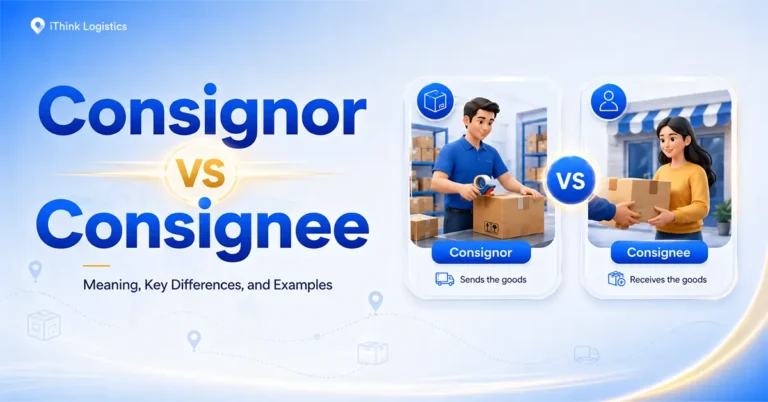
Introduction
Two fields show up on every shipping document: consignor and consignee. Fill either one incorrectly on an interstate waybill or export form, and the shipment gets held. Customs paperwork breaks down. The liability question becomes harder to answer than it should be.
The difference between consignor vs consignee is simple once you see it clearly. The ownership piece is where it gets layered. That is worth understanding before you fill in either field.
Who Is a Consignor?
A consignor is the individual or business that ships the goods, typically the seller, manufacturer, or supplier who owns the products at the point of dispatch.
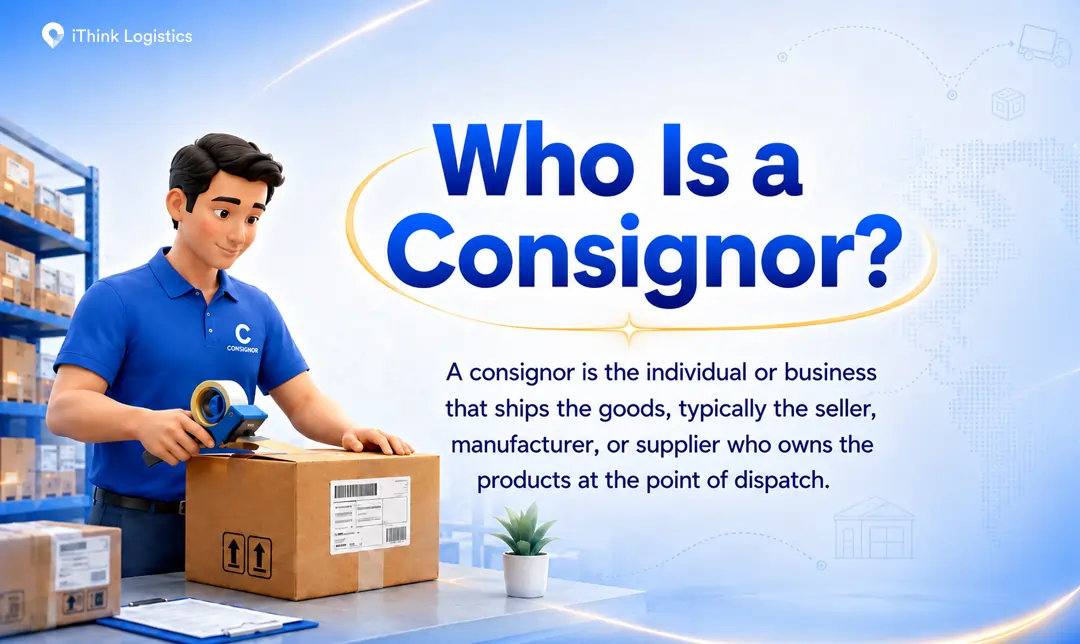
Ownership stays with the consignor until the consignee receives the goods and completes payment. Until that point, the consignor carries the financial risk of loss or damage.
In most shipments, the consignor is responsible for:
- Packaging the goods and preparing them for transport
- Filing shipping documents, including the Bill of Lading, commercial invoice, and packing list
- Ensuring the shipment complies with applicable regulations at the origin
- Handing over the consignment to the carrier
The consignee is on the receiving end of everything the consignor initiates.
Who Is a Consignee?
A consignee is the individual or business designated to receive the goods at the destination, typically the buyer, importer, or an agent appointed by the final buyer.
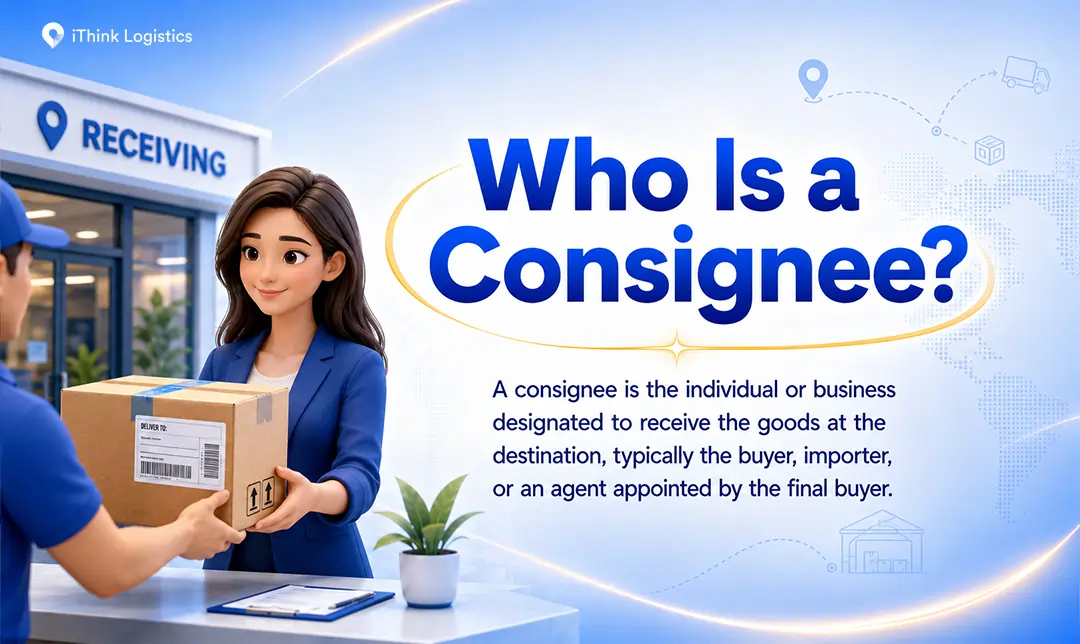
Receiving the goods does not make the consignee the owner. In a standard shipment, ownership transfers once the consignee completes payment per the agreed terms.
In a consignment arrangement, it works differently. The consignor retains ownership throughout. Goods pass directly to the end customer when sold; the consignee never becomes the owner at any point.
Once the shipment arrives, the consignee handles:
- Receiving and inspecting the goods at the destination
- Confirming receipt and signing the delivery acknowledgment
- Verifying the shipment against the invoice and packing list
- Arranging onward transport to their warehouse or storage
Both parties come together through a formal arrangement called a consignment.
What Is a Consignment?
A consignment is a shipment of goods sent by the consignor to the consignee, where the consignor retains ownership until the consignee sells the goods or completes payment.
The goods move physically, but ownership does not follow automatically. For a deeper look at how this arrangement differs from a standard purchase, read our guide on how consignment differs from a direct sale.
The table below breaks down exactly where the consignor’s role ends, and the consignee’s begins.
Consignor vs Consignee: Key Differences
Both roles sit at opposite ends of every shipment. The differences across ownership, risk, and documentation tell the full story:
| Aspect | Consignor | Consignee |
| Role | Sends the goods | Receives the goods |
| Ownership | Retains ownership until payment is complete | Takes ownership after paying in full |
| Key Responsibilities | Packaging, documentation, export compliance | Delivery acknowledgement, inspection, shipment verification |
| Documents Handled | Consignment note / Bill of Lading, commercial invoice, packing list | Arrival notice, delivery receipt, inspection report |
| Risk | Bears risk of loss or damage during transit | Bears risk once goods are accepted at destination |
| Payment Trigger | Receives payment when consignee completes purchase | Pays consignor per agreed payment terms upon delivery |
One thing sellers consistently miss: goods can sit in the consignee’s warehouse and still legally belong to the consignor. Ownership follows payment, not delivery.
A real shipment makes these differences easier to see.
Consignor vs Consignee: Example
A Mumbai-based apparel brand gets a bulk order from a distributor in Delhi. They pack 500 units, file the shipping documents, and hand the consignment to iThink Logistics for delivery.
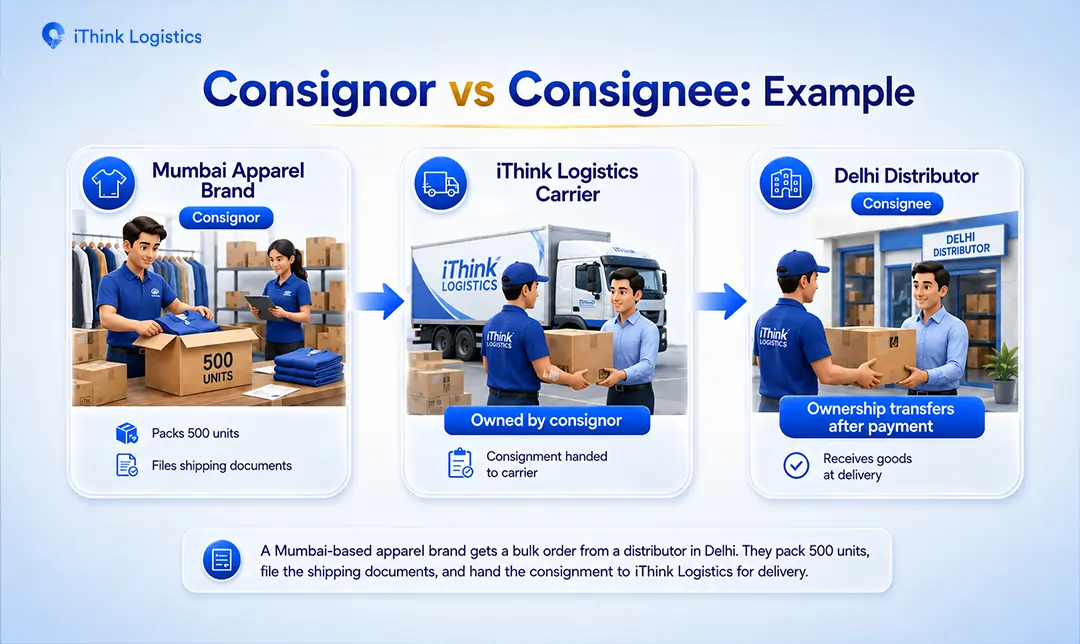
In this shipment, the roles break down as follows:
- Consignor: The Mumbai apparel brand. They own the goods, prepared the shipment, and initiated the transport.
- Consignee: The Delhi distributor. They are named on the Bill of Lading and will receive the goods at their warehouse.
- Consignment: The 500-unit apparel shipment is in transit between the two parties
During transit, ownership stays with the Mumbai brand. The Delhi distributor becomes the legal owner only after delivery is accepted and payment is cleared. If the shipment is damaged in transit, the consignor generally holds the right to file the claim against the carrier.
Choosing the right logistics partner determines how smoothly that handoff goes. iThink Logistics connects Indian sellers with 25+ courier partners, so your consignments reach the consignee faster with real-time tracking at every step.
FAQs
Q.1: What is the relationship between consignor and consignee?
A: The relationship between consignor and consignee is that of a principal and agent. The consignor is the principal. They own the goods and authorize the consignee to receive or sell them on their behalf. The consignee acts as the agent, holding the goods in trust. In a standard shipment, ownership transfers to the consignee once payment is completed. In a consignment arrangement, ownership passes directly to the end customer when goods are sold. The consignee holds the goods in trust throughout and never becomes the owner. Until then, the consignor retains title regardless of where the goods physically sit.
Q.2: Is the consignor the same as the shipper?
A: Usually, yes. When a seller dispatches goods directly, the consignor and shipper are the same entity. But when a seller uses a 3PL provider or freight forwarder to arrange transport, the shipper on the Bill of Lading may be the logistics provider. Not the original seller. The consignor remains the owner of the goods either way. The shipper is simply whoever contracted the carrier for that leg of the journey.
Q.3: Is the consignee always the buyer?
A: Not always. In most domestic shipments, the consignee is the buyer. But a buyer can appoint a freight forwarder, customs agent, or 3PL warehouse to receive goods on their behalf. That intermediary becomes the consignee on paper. The carrier does not look beyond the name on the shipping document. Whoever is listed as the consignee is the person they deliver to.
Q.4: Is the consignee the buyer or seller?
A: The consignee is always on the buyer’s side. They receive the goods, but never dispatch them. In most shipments, the consignee is the buyer directly. In others, they are an agent appointed by the buyer. The seller is always the consignor. These two roles do not flip: the consignee does not sell, the consignor does not receive.
Q.5: Can the consignee refuse delivery?
A: Yes. A consignee can refuse a shipment if goods arrive damaged, are incorrectly described, or do not match the agreed terms. The refusal must be documented at the point of delivery. Note the discrepancy on the delivery receipt and notify the consignor and carrier immediately. Without documentation at the time of refusal, filing a claim later becomes significantly harder.
Wrapping Up
Consignor and consignee are not interchangeable terms. One owns and dispatches; the other receives and verifies. Getting this right on your shipping documents protects you from liability gaps and ownership disputes that are entirely avoidable.
If you ship regularly, domestically or internationally, the logistics partner you choose shapes how cleanly that handoff happens. iThink Logistics connects sellers with 25+ courier partners so your consignments reach the right consignee faster.
Still have questions about consignor and consignee? Or is there a shipping or logistics topic you want us to cover next? Drop it in the comments below.
Author





Leave a Reply